The Stream Finance collapse explained
The DeFi ecosystem lost $93 million when Stream Finance, a protocol designed to generate yield through tokenized deposits, faced a catastrophic failure. The incident, widely regarded as one of the most significant events in recent DeFi history, exposed the fragility of rehypothecation models and triggered a broader market reassessment of yield-bearing strategies. For anyone conducting a DeFi Stream Crypto analysis, this event serves as a critical case study in how complex financial engineering can unravel when counterparty risks are underestimated.
Stream Finance operated by allowing users to deposit stablecoins and other crypto assets, promising competitive yields. However, the protocol's reliance on rehypothecation—where deposited assets are reused or lent out to other parties—created a hidden layer of risk. When the underlying assets could not be recovered or valued correctly, the protocol's solvency collapsed. This wasn't just a smart contract bug; it was a fundamental flaw in the economic model that prioritized high yields over transparent, secure asset management.
The aftermath rippled through the broader DeFi landscape. Other protocols offering similar yield strategies faced increased scrutiny, and users became more cautious about locking funds in complex financial instruments. The incident highlighted the need for greater transparency in DeFi yield products and the importance of understanding the underlying mechanics before committing capital. As the market continues to evolve, the lessons from Stream Finance remain relevant, reminding participants that higher yields often come with higher, and sometimes hidden, risks.
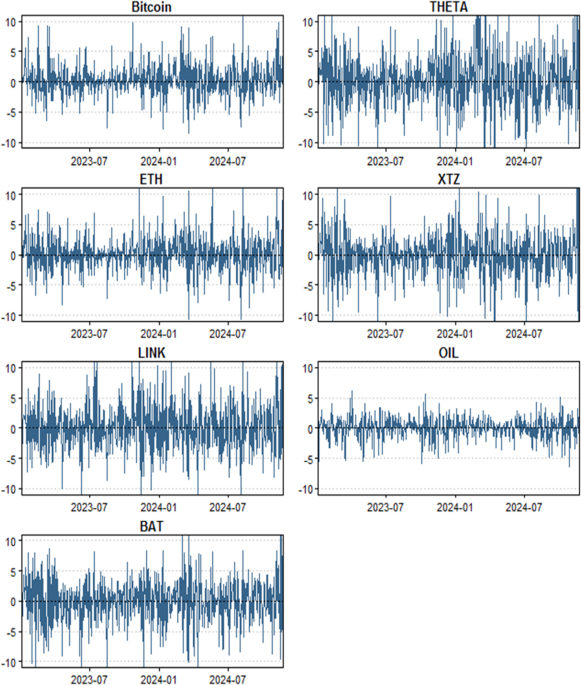
To visualize the market's reaction to this shock, we can look at the volatility in the broader DeFi sector. The following chart illustrates the price action of Ethereum, a key benchmark for DeFi health, during the period surrounding the collapse. The sharp movements reflect the uncertainty and sell-off that characterized the immediate aftermath of the Stream Finance incident.
Mapping contagion across DeFi protocols
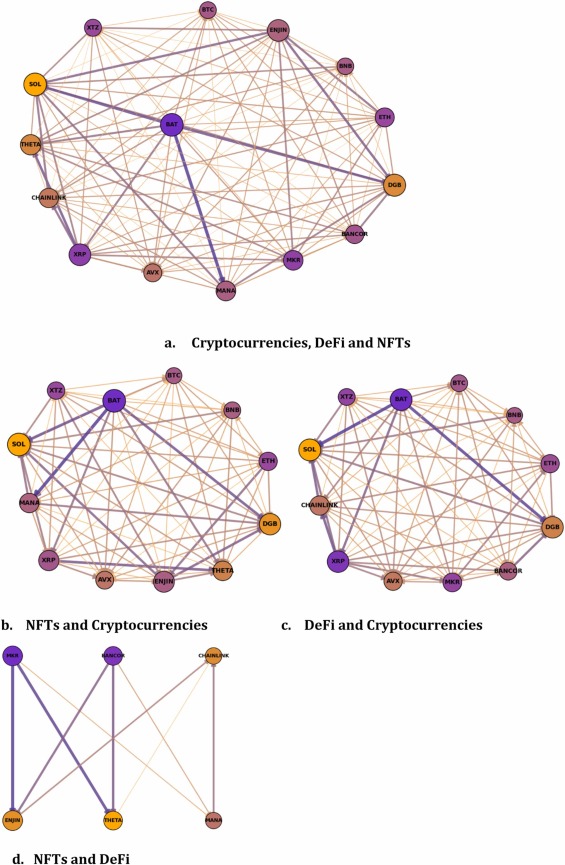
The $93 million loss at Stream Finance wasn't an isolated incident; it was a trigger that exposed deep interconnectivity within the DeFi ecosystem. When Stream’s tokens—xUSD, xBTC, and xETH—were rehypothecated into lending markets, they became the collateral for billions in other positions. This created a contagion risk that analysts now estimate at $285 million in potential exposure across the broader DeFi landscape.
To understand the scale of this DeFi Stream Crypto analysis, we must look at how these assets moved through the system. Stream’s tokens were not just held; they were borrowed against and reused as collateral in major lending protocols like Euler, Silo, and Morpho. This meant that when Stream’s value collapsed, the health of these other platforms was immediately compromised, creating a domino effect that threatened to spread beyond the initial loss.
The following table compares the exposure levels of these major protocols, highlighting the risk differential between them. This data illustrates how the contagion spread unevenly, with some protocols facing significantly higher risk than others due to their reliance on Stream’s tokens as primary collateral.
| Protocol | Potential Exposure | Risk Level |
|---|---|---|
| Euler | $120M | High |
| Silo Finance | $95M | High |
| Morpho | $70M | Medium |
The rehypothecation process allowed Stream’s assets to circulate multiple times, amplifying the initial loss. This practice, common in DeFi, creates leverage but also systemic fragility. When one link in the chain breaks, the shockwave travels through every protocol that held or borrowed against those same assets. The $285 million figure represents the total value at risk, not just the initial loss, underscoring the importance of monitoring cross-protocol dependencies in any DeFi Stream Crypto analysis.
Measuring Protocol Survival Post-Stream
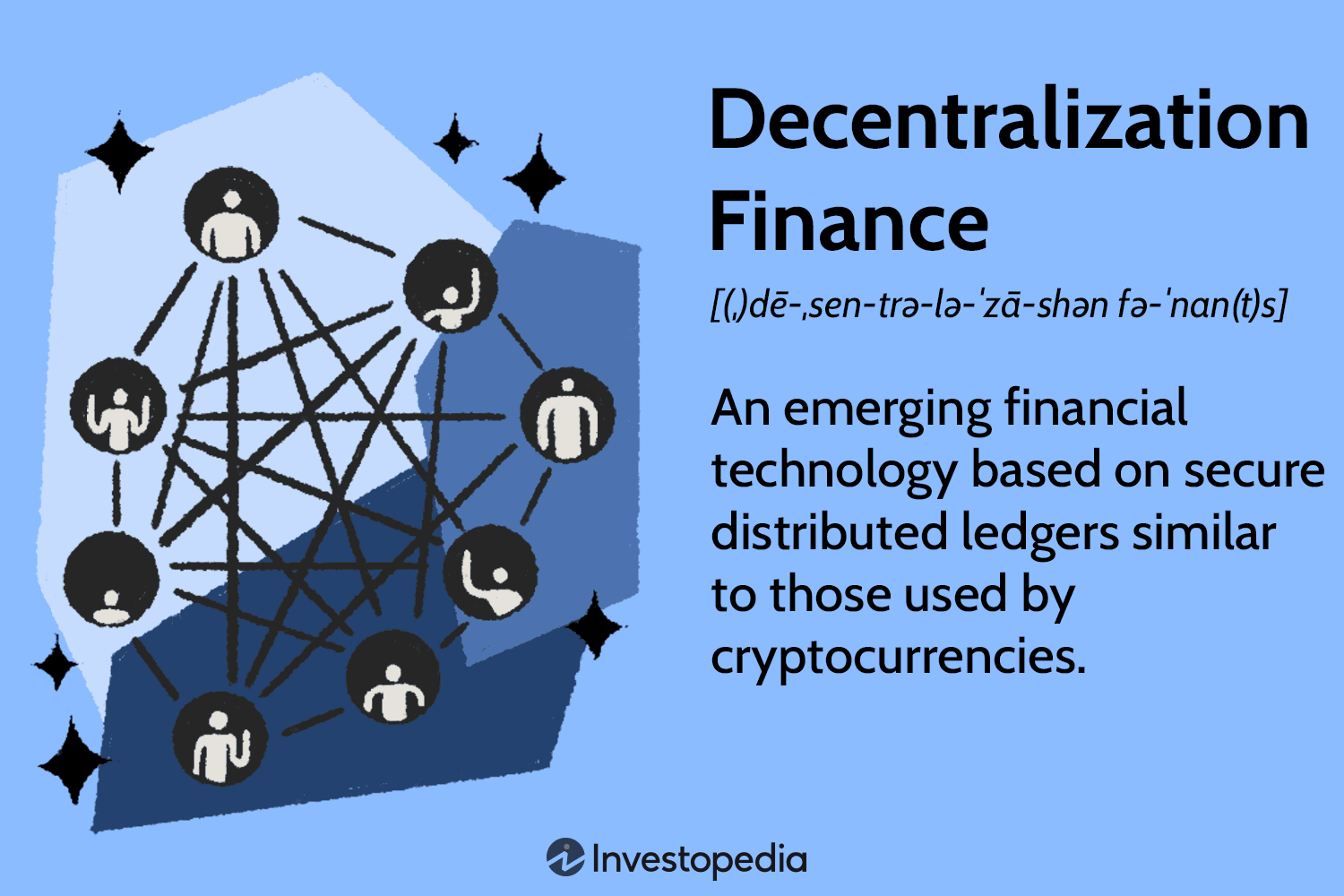
The collapse of the DeFi Stream protocol forced a shift in how we evaluate decentralized lending platforms. Instead of relying solely on total value locked (TVL) or yield rates, analysts are turning to survival analysis to identify which protocols can withstand market stress. This statistical approach, previously reserved for medical and engineering reliability testing, is now being applied to DeFi Stream crypto analysis to quantify the risk of protocol failure or user loss.
Research by Green et al. (2024) demonstrates that survival analysis can effectively characterize user behavior and identify hidden risks in lending protocols [src-serp-2]. By treating protocol failure or significant user exit as an "event," researchers can determine which factors—such as collateralization ratios or rehypothecation rates—correlate with longer survival times. This moves the conversation beyond hype and into measurable resilience.
For investors, this means looking for protocols that have been stress-tested against similar shock events. A platform that maintained liquidity during the Stream collapse likely has better risk management structures than one that relied on unsustainable yield incentives. Understanding these survival metrics is essential for navigating the post-Stream finance era safely.
DeFi Stream Crypto analysis: Yield strategies for 2026 infrastructure
The 2026 DeFi landscape is no longer defined by the highest percentage yields, but by the reliability of the underlying infrastructure. As we move past the era of opaque liquidity moats, the focus has shifted to robust, audited yield sources that can withstand market volatility. This shift is critical for any DeFi Stream Crypto analysis aiming to separate sustainable growth from temporary hype.
Investors are now prioritizing transparency and security over aggressive, unsustainable returns. The following steps outline how to adjust your strategy to navigate this new reality effectively.

Before allocating capital, verify the audit status of the protocol. Look for reports from reputable firms that detail smart contract vulnerabilities and their resolutions. Unaudited or poorly audited protocols are high-risk, regardless of their promised returns.
Ensure that the collateral backing the yield is clearly visible and verifiable on-chain. Avoid protocols that obscure their asset reserves or use complex, unverified derivatives to mask risk. Transparency is the new standard for trust.
Understand how your assets are used. If a protocol rehypothecates your collateral (uses it to secure other loans), you are exposed to counterparty risk. Prefer protocols that allow for single-use collateral or provide clear, real-time visibility into rehypothecation activities.
Deep liquidity pools are essential for executing trades without significant slippage. Shallow pools are vulnerable to manipulation and can lead to substantial losses during market downturns. Check the total value locked (TVL) and historical liquidity trends.
Never put all your capital into a single yield source. Diversification mitigates the risk of protocol-specific failures. Spread your investments across multiple audited, transparent protocols to protect your portfolio from systemic shocks.
| Feature | Pre-2026 Strategy | 2026 Strategy |
|---|---|---|
| Yield Source | High APY, opaque | Audited, transparent |
| Collateral | Rehypothecated, hidden | Single-use, visible |
| Risk | High, speculative | Managed, diversified |
By focusing on these foundational elements, you can build a resilient DeFi portfolio that prioritizes long-term stability over short-term gains. This approach is essential for navigating the complexities of the 2026 DeFi Stream Crypto analysis.
Frequently asked questions about DeFi risks
DeFi Stream Crypto analysis often brings up questions about safety and potential. Here are direct answers to common concerns.
Always verify protocol security before committing funds.
No comments yet. Be the first to share your thoughts!