The Stream Finance collapse explained
On November 3, 2025, the decentralized finance protocol Stream Finance announced a catastrophic loss of $93 million. This event marked a significant rupture in the DeFi ecosystem, triggering an immediate freeze on redemptions for its stablecoin, xUSD. The sudden halt in liquidity caused xUSD to plummet by more than 73% in a single day, wiping out a massive portion of user value almost overnight. This was not a gradual decline but a sudden, violent devaluation that exposed the fragility of the underlying yield strategies.
Stream Finance had positioned itself as a protocol helping users earn yield on stablecoins and other crypto assets. It was one of the more prominent players in the high-yield space, often compared to other lending protocols. However, the scale of the loss suggests a failure in risk management or exposure to a counterparty that collapsed under its own weight. The protocol’s total assets deployed across various strategies were significant, but the $93 million hit was enough to break confidence and freeze operations entirely.
The immediate aftermath saw a rush for the exits, with users unable to withdraw their funds. According to reports from DLNews, the ripple effect of this failure began to touch other parts of the DeFi ecosystem, raising questions about interconnected risks. As of early December 2025, Stream Finance stated it was continuing to collect and confirm information regarding potential creditors and claimants. The incident serves as a stark reminder that even well-funded protocols can fail when the underlying assets or strategies prove unsustainable.
This event highlights the inherent risks in DeFi yield farming. While the promise of high returns is attractive, the lack of traditional safeguards means that losses can be total and immediate. The freeze on xUSD redemptions left users in limbo, with no clear timeline for recovery. As the investigation into the $93 million loss continues, the DeFi community is left to reassess the security and transparency of high-yield protocols.
How the failure rippled outward
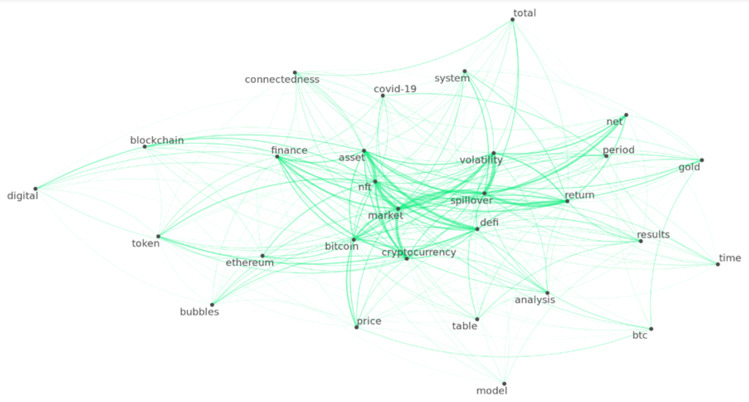
The $93 million loss at Stream Finance didn’t stay contained within its own walls. When the protocol froze xUSD redemptions on November 3, 2025, it triggered an immediate liquidity shock across the broader decentralized finance ecosystem. The devaluation of xUSD by over 73% in a single day exposed the fragility of interconnected yield farming strategies, where multiple platforms rely on the same underlying assets for stability.
Market confidence wavered as traders and institutions reassessed their exposure to similar yield-generating protocols. The incident highlighted how a single point of failure can cascade through a network of lending and borrowing platforms, leading to sudden withdrawals and price volatility across major DeFi tokens. This contagion effect demonstrated that the perceived safety of decentralized assets is often illusory when risk is concentrated in opaque, highly leveraged structures.
According to SP Global Ratings, the event served as a stark reminder of the systemic risks inherent in DeFi’s interconnected nature. The rapid spread of panic selling and the subsequent freeze on redemptions underscored the lack of circuit breakers or safety nets that traditional finance employs to contain such shocks. For the broader market, this meant a renewed scrutiny of protocol audits, reserve transparency, and the true liquidity of assets marketed as stable.
Visualizing the impact on DeFi TVL
To understand the scale of the contagion, it helps to look at the Total Value Locked (TVL) across the DeFi sector during this period. The chart below illustrates the sharp decline in market sentiment and capital flight following the Stream Finance announcement.
This drop in TVL wasn’t just a temporary dip; it reflected a structural shift in how investors view risk in yield farming. The interconnectedness that allows for efficient capital allocation also amplifies downside risk, as seen in the rapid outflow from platforms with similar risk profiles to Stream Finance.
Comparing yield models and infrastructure risks
Use this section to make the DeFi Stream Crypto Analysis decision easier to compare in real life, not just on paper. Start with the reader's actual constraint, then separate must-have requirements from details that are merely nice to have. A practical choice should survive normal use, maintenance, timing, and budget. If a recommendation only works in an ideal situation, call that out plainly and give the reader a fallback path.
| Factor | What to check | Why it matters |
|---|---|---|
| Fit | Match the option to the primary use case. | A good deal still fails if it does not fit the job. |
| Condition | Verify age, wear, and service history. | Hidden condition issues erase upfront savings. |
| Cost | Compare purchase price with likely upkeep. | The cheapest option is not always the lowest-cost option. |
Strategies for safer DeFi yield in 2026
The $93 million collapse of Stream Finance in November 2025 was not just a bad quarter; it was a structural failure that froze redemptions and devalued the xUSD stablecoin by over 73% in a single day. For investors, this event highlights why "yield" is often a euphemism for "unpriced risk." In 2026, the priority must shift from chasing high APYs to preserving capital through rigorous due diligence and diversification.
Verify Liquidity and Reserve Backing
Before locking funds into any protocol, you must understand how redemptions work. Stream’s failure stemmed from a mismatch between its promised liquidity and its actual holdings. If a protocol cannot prove it holds enough liquid assets to cover all user deposits, it is a ticking time bomb. Look for real-time reserve proofs and stress tests. If a platform relies on complex, illiquid collateral to back its stablecoin or yield product, treat the advertised yield as a warning sign, not a reward.
Diversify Across Unrelated Protocols
Concentration risk is the silent killer of DeFi portfolios. Placing all your capital into a single high-yield strategy exposes you to smart contract bugs, governance attacks, or operational failures specific to that platform. Spread your exposure across multiple protocols that operate in different sectors—such as lending, derivatives, and liquid staking. This ensures that a failure in one niche does not wipe out your entire position.
Monitor Stablecoin Stability
Stablecoins are the backbone of DeFi, but they are not risk-free. The xUSD depegging event serves as a stark reminder that algorithmic or poorly collateralized stablecoins can fail. Stick to stablecoins with transparent, audited backing and large market capitalizations. Use live price widgets to monitor for depegging events in real time. If a stablecoin trades consistently below $1.00, exit immediately. Do not wait for an official announcement.
Use Provider-Backed Data
Static market data is often stale and misleading. Rely on provider-backed widgets for live price and chart data to make informed decisions. This ensures you are reacting to current market conditions rather than outdated information.
The Bottom Line
Safer DeFi yield in 2026 requires a shift in mindset. You are not just investing in a yield; you are underwriting a protocol’s solvency. By verifying liquidity, diversifying across unrelated protocols, and monitoring stablecoin stability, you can manage the risks that led to the Stream Finance collapse. The goal is not to avoid all risk, but to ensure you are taking risks you understand and can afford to lose.
Frequently asked questions about DeFi risks
Investors often look to DeFi for higher yields, but the recent Stream Finance collapse highlights the extreme volatility and structural risks involved. Below are answers to common questions about the event and the sector's viability.
No comments yet. Be the first to share your thoughts!