Connect to a DeFi data provider
To access real-time liquidity streams, you first need a reliable data feed. Decentralized finance (DeFi) relies on open, global financial systems built on blockchains, which means your data source must match that infrastructure. You cannot rely on traditional, centralized banking feeds for this; you need a provider that ingests on-chain data directly.
The goal is to establish a WebSocket or REST API connection to a reputable DeFi data aggregator. These services normalize complex blockchain events into readable JSON streams, allowing you to track token prices, liquidity pool depths, and transaction volumes as they happen.
Choose a provider with a strong track record in the Ethereum ecosystem, as it hosts the majority of DeFi liquidity. Official resources like the Ethereum DeFi guide outline the foundational benefits of these open systems, emphasizing their global accessibility and transparency. Ensure your chosen provider offers low-latency updates, as even a few seconds of delay can impact high-frequency trading or automated liquidity management.
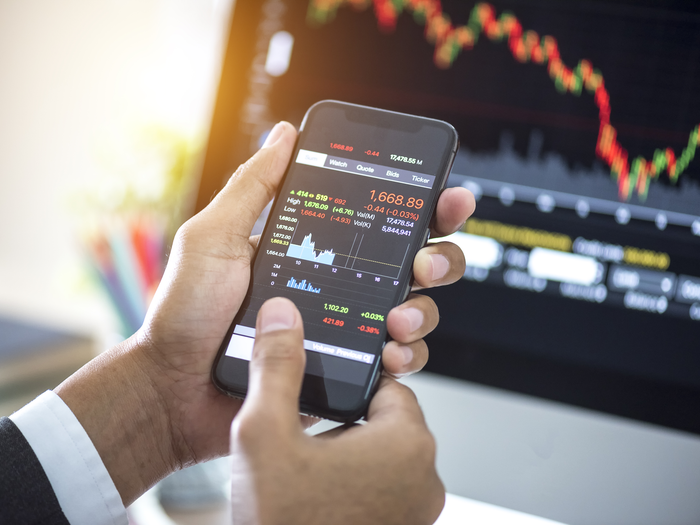
Identify a provider that specializes in real-time DeFi data. Look for services that explicitly support WebSocket connections for live streaming rather than just static historical data. Verify that they cover the specific chains and tokens you intend to monitor.

Sign up for an account and generate your API keys. Most providers offer a free tier for testing, but high-frequency streams may require a paid plan. Keep your secret keys secure; never expose them in client-side code or public repositories.
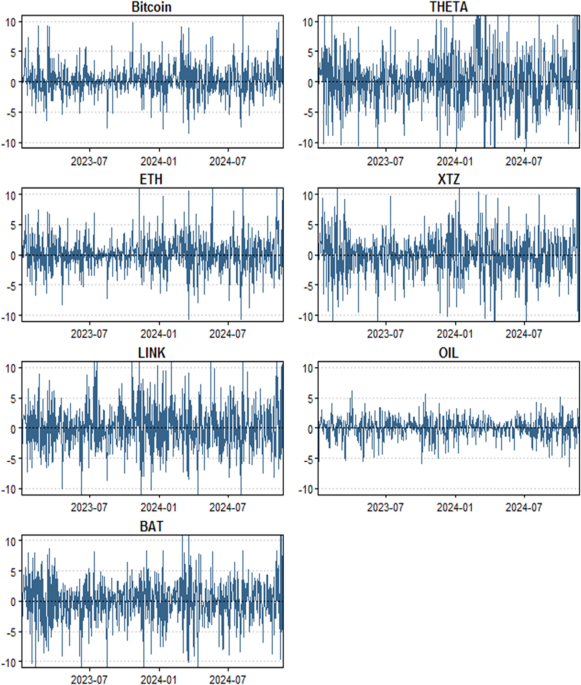
Write the initialization code to connect to the provider’s endpoint using your credentials. Configure the request headers to include your API key. For real-time data, prioritize WebSocket connections over HTTP polling to ensure you receive updates the moment they are mined or confirmed on-chain.
Once connected, verify that the data stream is active and accurate. Compare the incoming price feeds against a known source like CoinDesk or a major exchange to ensure there is no significant lag or discrepancy. Monitor the connection stability over a short period to detect any potential dropouts.
Track live liquidity pools
Monitoring specific liquidity pools in real-time is the difference between catching a profitable move and getting rekt by slippage. Liquidity depth determines how much capital you can move without destroying the price. Stability tells you whether the pool will hold up during volatility.
You need to look beyond the total value locked (TVL). A high TVL means nothing if the liquidity is fragmented or controlled by a few large players. You need to see the actual order book depth, the fee structure, and the token composition.
Here is how to compare the two dominant approaches: concentrated liquidity exchanges like Uniswap V3 and stablecoin-focused automated market makers like Curve.
| Protocol | Liquidity Mechanism | Fee Structure | Best For |
|---|---|---|---|
| Uniswap V3 | Concentrated Liquidity (CLMM) | Tiered (0.05%, 0.3%, 1%) | Volatility and capital efficiency |
| Curve Finance | Stableswap AMM | Low tier (0.04%) | Low slippage on stablecoins |
Uniswap V3 allows liquidity providers to concentrate their capital within specific price ranges. This increases capital efficiency but requires active management. If the price moves out of range, the position becomes inactive. This is ideal for volatile pairs where you want to maximize yield during sideways movement.
Curve Finance uses a specialized stableswap algorithm designed for assets with similar values, like USDC and USDT. The slippage is minimal, making it the go-to for large stablecoin transfers. However, the capital efficiency is lower, and the fees are significantly tighter.
When tracking these pools, focus on the in-range liquidity. On Uniswap, check the density of positions within your entry range. On Curve, look at the virtual price stability and the underlying asset ratios. A pool that looks deep on paper might be shallow in the critical price band where your trade executes.
Use a live dashboard to monitor these metrics. Tools like DeFi Llama or the native protocol interfaces show real-time depth charts. Watch for sudden liquidity withdrawals, which often signal an impending price drop or a rug pull. Consistent depth is a sign of health; erratic spikes often indicate bot activity or manipulation.
Analyze on-chain market trends
Centralized exchanges often lag behind decentralized networks. Liquidity moves on-chain first, meaning the smartest traders spot shifts in real-time data before prices adjust on major platforms. You can use streaming data to track these movements, identifying whale activity and liquidity injections as they happen.
Identify high-value transfers to or from known whale wallets. Tools like Arkham or Nansen label entities, allowing you to see if large holders are accumulating or preparing to sell. Watch for sudden inflows to exchange deposit addresses, which often precede significant sell pressure.
Track total value locked (TVL) in specific pools. A rapid decrease in liquidity often signals that market makers are pulling back, which can lead to higher slippage and volatility. Conversely, sudden inflows might indicate institutional interest or a new trading pair launch.

Gas fees on Ethereum are a direct reflection of network demand. A sudden spike in gas prices often coincides with major market events, such as large token launches or coordinated trading activity. Use this as a leading indicator for heightened market activity.
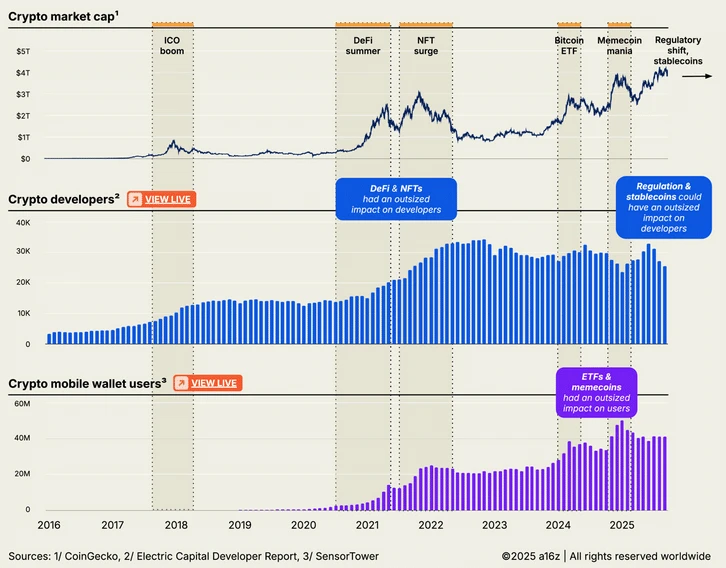
Divergence between on-chain volume and centralized exchange volume can reveal hidden trends. If on-chain volume is rising while exchange volume is flat, smart money may be moving assets off-exchange for long-term holding or staking, suggesting reduced immediate selling pressure.
Interpreting these streams requires patience. Focus on the direction of the flow rather than single transactions. Consistent patterns are more reliable than isolated spikes. By mastering these on-chain signals, you gain an edge that centralized exchange data simply cannot provide.
Avoid Common Streaming Errors
Stream-based DeFi moves fast, but the speed cuts both ways. Small infrastructure oversights can lead to significant financial loss before you even realize a transaction failed. The goal is to prevent these errors by understanding the technical realities of real-time liquidity.
Relying on Delayed or Unverified Data
In streaming finance, a few seconds of delay can mean the difference between profit and a loss. Many users make the mistake of trusting price feeds or liquidity pools that are not updated in real-time. If your data source lags behind the blockchain, you are trading on stale information.
Always verify that your data streams are synchronized with the primary blockchain. Relying on cached data or third-party aggregators without checking their update frequency is a common pitfall. The Australian Taxation Office notes that DeFi apps and protocols are commonly built on blockchains like Ethereum, where state changes happen instantly. If your interface doesn't reflect those changes immediately, your trade is likely based on outdated prices.
Ignoring Slippage Tolerance
Slippage is the difference between the expected price of a trade and the price at which the trade is executed. In streaming environments, where liquidity can shift rapidly, ignoring slippage settings is dangerous. If you set your tolerance too low, your transaction may fail repeatedly, wasting gas fees. If you set it too high, you may accept a much worse price than intended.
Set your slippage tolerance based on current market volatility, not a static default. For stablecoin swaps, a lower tolerance might suffice, but for volatile assets, you may need to allow for more variance. Always review the estimated output before confirming the stream.
Overlooking Gas and Network Fees
Stream-based transactions often require more frequent on-chain interactions than standard spot trades. Each interaction incurs a network fee. Failing to account for these cumulative costs can erode your profits, especially in lower-margin strategies. Monitor the network congestion and adjust your gas limits accordingly to ensure your transactions go through without overpaying.
Verify protocol security before acting
DeFi protocols operate without customer support or insurance. If a smart contract has a flaw, your capital is gone. Before you connect your wallet or deposit funds, you need to verify the legitimacy of the protocol using official sources. This checklist ensures you are not walking into a honeypot or an unaudited experiment.
- Check the audit report: Look for recent audits from reputable firms like OpenZeppelin, Trail of Bits, or CertiK. Read the actual report, not just the badge on the homepage. Pay attention to unresolved critical issues. An unaudited protocol is a gamble, not an investment.
- Verify the official website: Phishing sites are common. Always access the protocol through its official GitHub repository or verified social media channels. Bookmark the correct URL. Never click links from random Twitter DMs or unverified Telegram groups.
- Review the team and governance: Is the team doxxed? Are decisions made through transparent on-chain governance? Anonymous teams with sudden governance changes are red flags. Check if the protocol has a bug bounty program, which shows a commitment to security.
- Confirm the contract address: Always verify the contract address on the official site or Etherscan. Scammers often create look-alike tokens with similar names but different addresses. Double-check the symbol and decimals.
Skipping these steps is like buying a house without inspecting the foundation. The structure might look fine, but hidden cracks can collapse everything. Take the time to verify. Your security depends on it.
DeFi Stream Crypto analysis FAQ
Helpful gear
Use these product recommendations as a starting point, then choose the size, material, and price point that fit how you actually use the gear.


As an Amazon Associate, we may earn from qualifying purchases.
No comments yet. Be the first to share your thoughts!