DeFi stream crypto tools defined
Decentralized finance (DeFi) uses blockchain technology to enable peer-to-peer financial transactions without traditional intermediaries like banks investopedia. Within this ecosystem, most yield generation relies on lump-sum mechanisms: you lock assets for a fixed period, or until you manually withdraw them. The return is typically calculated as an annual percentage yield (APY) based on the total locked value, regardless of when you entered or exited that position.
Streaming finance operates on a fundamentally different logic. Instead of static locking, these platforms enable continuous, second-by-second settlement of yields. Imagine a faucet dripping water rather than a bucket being filled all at once. In streaming finance, your capital earns interest for every second it is deployed. If you withdraw at 2:01 PM, you only keep the yield accrued up to that exact moment. This precision is critical for managing liquidity needs or reacting to volatile market shifts without waiting for a staking period to expire.
This granularity introduces new risks and rewards. Traditional DeFi platforms often require you to trust a smart contract to hold your funds for weeks or months, exposing you to "rug pull" risks or protocol failures during the lock-up. Streaming tools mitigate this by allowing immediate exit, but they often rely on more complex liquidity pools or oracle data to calculate real-time rates. Understanding this distinction is the first step in selecting tools that align with your risk tolerance and cash flow requirements.
The shift from static to streaming yields represents a maturation of DeFi infrastructure. It moves the sector closer to the real-time efficiency of traditional finance while retaining the transparency of blockchain. For investors, this means tools must be selected not just for their headline APY, but for their ability to handle dynamic cash flows and minimize slippage during withdrawals.
Essential analytics for yield streams
Continuous yield streams are not passive income; they are active data streams that require constant monitoring. Without the right analytics infrastructure, you are flying blind. You need tools that provide real-time visibility into smart contract interactions, yield rates, and underlying asset performance across multiple blockchains.
The goal is to catch anomalies before they become losses. A sudden drop in APY or a spike in gas fees can signal a protocol vulnerability or a market shift. Analytics platforms aggregate this data, turning raw blockchain noise into actionable signals.
When evaluating streaming protocols, prioritize those that offer granular data depth. You need to see not just the final yield, but the components that make it up. Is the yield coming from trading fees, staking rewards, or incentives? Understanding the source helps you assess sustainability.
The following comparison breaks down the leading analytics platforms by their ability to track these complex streams. Look for tools that balance comprehensive data with intuitive interfaces, as you will be spending significant time in these dashboards.
| Platform | Primary Focus | Data Depth | Cost |
|---|---|---|---|
| De.Fi | Portfolio & Security | High | Free/Premium |
| DeFi Llama | Yield & TVL | Very High | Free |
| Kubera | All-in-One Tracking | Medium | Free/Premium |
Wallets and execution interfaces
Streaming yield is only as good as the interface you use to access it. The difference between a smooth stream and a failed transaction often comes down to wallet architecture and execution routing. In 2026, the best streaming protocols are those that handle complexity behind the scenes, letting you focus on the yield rather than the gas.
Non-custodial wallet selection
Your wallet is the command center for streaming protocols. For DeFi streams, you need a non-custodial wallet that supports advanced transaction batching and clear approval tracking. Wallets like Rabby and Frame are preferred because they simulate transactions before signing, showing you exactly how your assets will move. This is critical when dealing with continuous yield streams, where a single failed batch can leave funds locked or exposed.
Mobile wallets like Rainbow or Uniswap Wallet offer convenience but may lack the granular control needed for complex stream setups. If you are running high-frequency streams, stick to desktop-first wallets with robust security features and detailed on-chain activity logs. This reduces the risk of accidental approvals or misdirected transactions.
DEX aggregators for execution
When you need to rebalance or exit a stream, execution speed matters. DEX aggregators like 1inch and CoW Protocol scan multiple liquidity sources to find the best price and lowest slippage. For streaming strategies, this means your exit transactions are less likely to drag down your overall yield through poor pricing.
CoW Protocol’s batch auction model is particularly useful for larger rebalancing moves, as it avoids sandwich attacks and front-running. This is a significant advantage in volatile markets where timing can make the difference between profit and loss. Using a trusted aggregator ensures that your stream’s underlying assets are managed efficiently.
Risk context: DeFi volatility
Even with the best tools, market conditions change. The following chart shows recent volatility in a major DeFi index token, highlighting why execution precision is vital.
Risk management in streaming yields
Streaming yields offer continuous returns, but they introduce a unique layer of risk compared to traditional DeFi strategies. Because the yield is distributed in real-time over a lock-up period, you are exposed to market volatility and smart contract vulnerabilities for the entire duration of the stream. A sudden drop in the underlying asset’s price can wipe out gains before the stream concludes, while a contract exploit can freeze or drain the entire principal. This high-stakes environment demands a more rigorous approach to risk assessment than simple spot trading or static staking.
Smart contract risk is the most immediate threat. Unlike a one-time transaction, streaming protocols often require ongoing interactions or rely on complex oracle feeds to calculate real-time value. If the underlying code contains a vulnerability, or if an oracle is manipulated, the continuous nature of the stream can accelerate losses. You should prioritize tools that have undergone multiple independent audits from reputable firms and have a track record of transparent bug bounty programs. The infrastructure supporting streaming protocols must be robust, as the margin for error is significantly smaller when capital is continuously at risk.
Impermanent loss remains a critical factor, particularly in liquidity provisioning streams. Because the yield is streamed based on the current ratio of assets in a pool, any divergence in price between the paired assets can lead to significant principal erosion. Unlike static liquidity pools where you can rebalance periodically, streaming yields often lock you into a specific ratio until the stream ends. This means you are effectively providing liquidity without the ability to adjust your position in response to short-term market swings. Understanding the correlation between the paired assets is essential; highly correlated pairs reduce impermanent loss risk, while uncorrelated pairs can lead to substantial principal depletion.
Regulatory considerations are also evolving rapidly. As streaming yields blur the line between yield-bearing assets and securities, jurisdictions are scrutinizing the legal status of continuous distribution models. Tools that operate in compliance with local regulations are less likely to face sudden shutdowns or asset freezes. Always verify the regulatory stance of the protocol in your region, as this can impact the accessibility and safety of your investment. Ignoring these legal nuances can turn a promising yield strategy into a frozen asset overnight.
Building a sustainable DeFi stream strategy
Success with streaming protocols requires treating your portfolio like a diversified portfolio of bonds, not a casino. You must spread exposure across multiple protocols and asset classes to prevent a single smart contract failure from wiping out your yield. Relying on one high-yield source is a fast track to permanent loss.
Continuous monitoring is non-negotiable. The yield landscape shifts daily as liquidity flows and interest rates change. Use analytics platforms like DeFiLlama or Messari to track protocol health in real time. If a protocol’s total value locked (TVL) drops sharply or its revenue model becomes unclear, exit immediately. Do not wait for the crash to react.
Finally, always verify security audits and insurance coverage. Tools that offer high yields often carry hidden risks. Check if the protocol has been audited by reputable firms like CertiK or OpenZeppelin. If you are providing liquidity, consider using insurance protocols to protect against smart contract exploits. This layer of due diligence separates sustainable income from reckless gambling.
Frequently asked questions about DeFi streams
Helpful gear
Use these product recommendations as a starting point, then choose the size, material, and price point that fit how you actually use the gear.

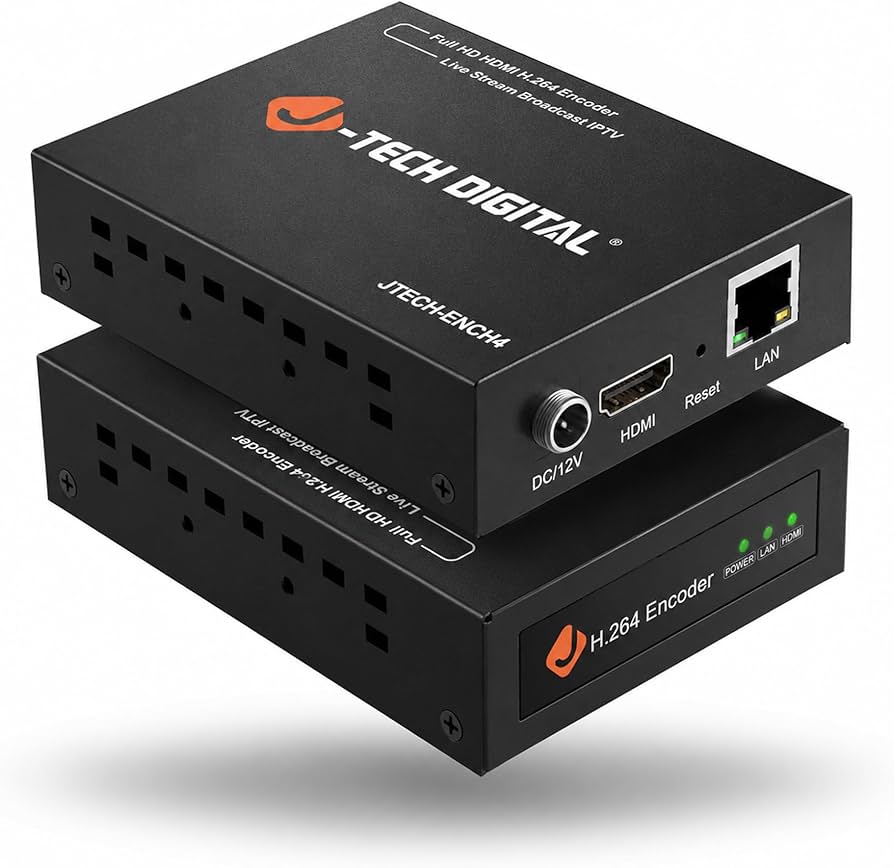
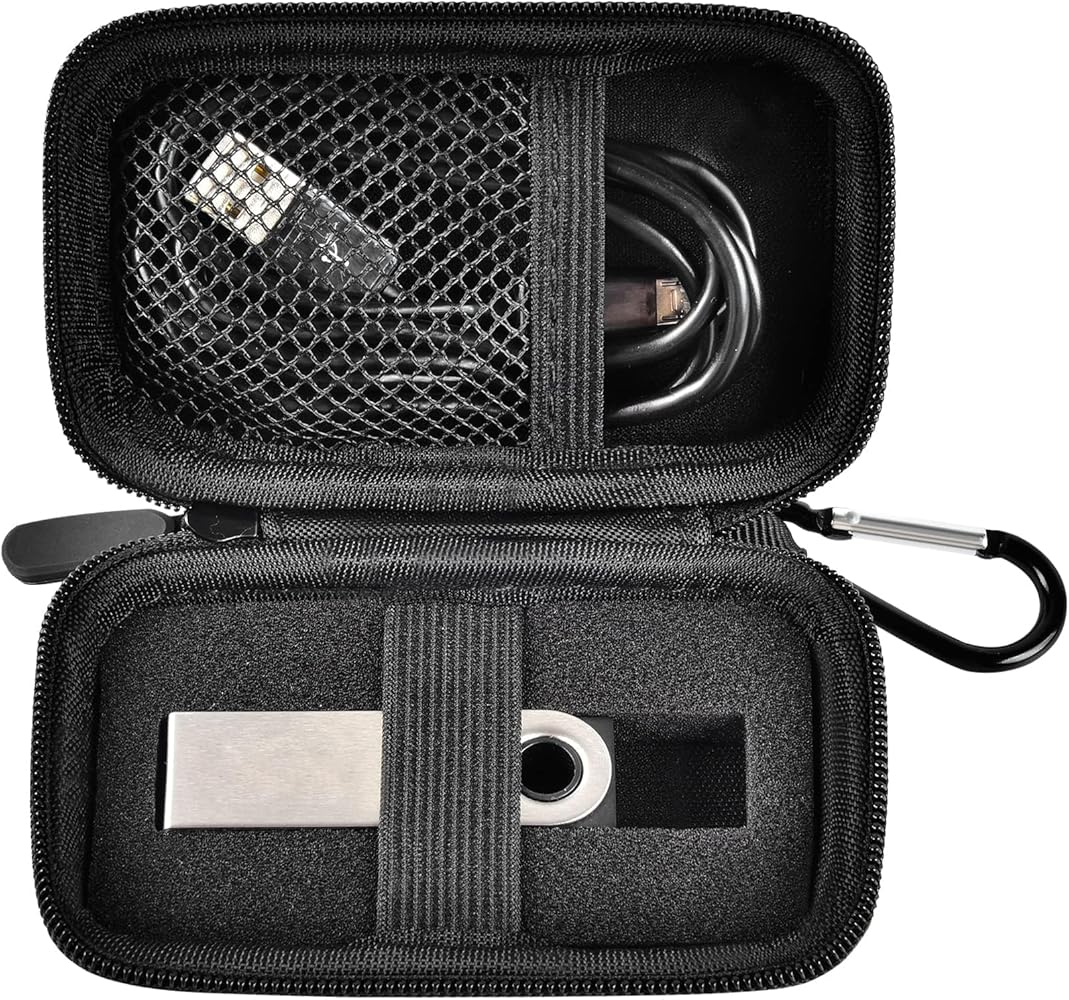
As an Amazon Associate, we may earn from qualifying purchases.
No comments yet. Be the first to share your thoughts!