Stream Finance Collapse Overview
The Stablecoin Issuer Stream Finance has been thrown into crisis after revealing that an external fund manager lost around $93 million of the platform's assets. The news sent shockwaves through its ecosystem, triggering a rapid sell-off and causing its stablecoin, XUSD, to plunge by nearly 77 percent. This event marked a stark deviation from the platform's usual trajectory, exposing the fragility of its underlying financial structure.
The collapse was not merely a market fluctuation but a structural failure. Stream Finance relied on complex, sometimes opaque strategies and off-chain activities that introduced vulnerabilities. To date, DeFi risks have often been associated with smart contract code, but this incident highlights how traditional finance risks, such as counterparty failure and lack of transparency, can infect decentralized protocols when oversight is insufficient.
A week after the initial loss, a clearer picture of the ripple effect on the broader DeFi sector emerged. The immediate market shock demonstrated how quickly confidence can evaporate in a system dependent on algorithmic stability and external trust. The following widget shows the immediate price reaction of the STREAM token, reflecting the market's rapid reassessment of the platform's viability.
How the loss triggered DeFi contagion
The $93 million collapse at Stream Finance did not happen in a vacuum. It sent shockwaves through the broader decentralized finance (DeFi) ecosystem, exposing the fragility of interconnected protocols. Within days of the loss, the market reacted with panic, triggering a rapid sell-off that drove Stream’s stablecoin, XUSD, down by nearly 77 percent. This immediate de-pegging highlighted how quickly confidence can evaporate when a major player faces insolvency.
The contagion effect extended beyond just Stream’s own tokens. Liquidity drains began to ripple outward as other protocols that had lent to Stream or held its assets rushed to withdraw funds. This created a classic counterparty risk scenario, where the failure of one entity threatened the solvency of others. The opacity of Stream’s off-chain activities and complex strategies made it difficult for the wider market to assess the true extent of the exposure, leading to a freeze in trust across similar platforms.
S&P Global Ratings noted that the incident underscores the persistent vulnerabilities in DeFi, particularly where off-chain activities introduce unmonitored risks. The event served as a stark reminder that even protocols claiming to be fully decentralized can harbor centralized points of failure. As the dust settled, the broader market was left questioning the due diligence practices of external fund managers and the resilience of the protocols that rely on them.
The volatility following the collapse is evident in the price action of affected assets. The chart below visualizes the sharp decline and subsequent instability that characterized the immediate aftermath of the Stream Finance debacle.
Infrastructure vulnerabilities exposed
Use this section to make the DeFi Stream Crypto Analysis decision easier to compare in real life, not just on paper. Start with the reader's actual constraint, then separate must-have requirements from details that are merely nice to have. A practical choice should survive normal use, maintenance, timing, and budget. If a recommendation only works in an ideal situation, call that out plainly and give the reader a fallback path.
The simplest way to use this section is to write down the must-have criteria first, then compare each option against those criteria before weighing nice-to-have features.
What this means for DeFi investors
The $93 million loss at Stream Finance isn't just a headline; it's a stress test for how we evaluate risk in decentralized finance. When a protocol relies on external fund managers, the "trustless" promise of blockchain meets the messy reality of traditional finance. Investors must look past the yield numbers and examine the actual custody of assets.
The collapse of Stream Finance demonstrates that smart contracts are only as secure as the off-chain actors managing them. Without rigorous verification, high yields often mask hidden counterparty risks.
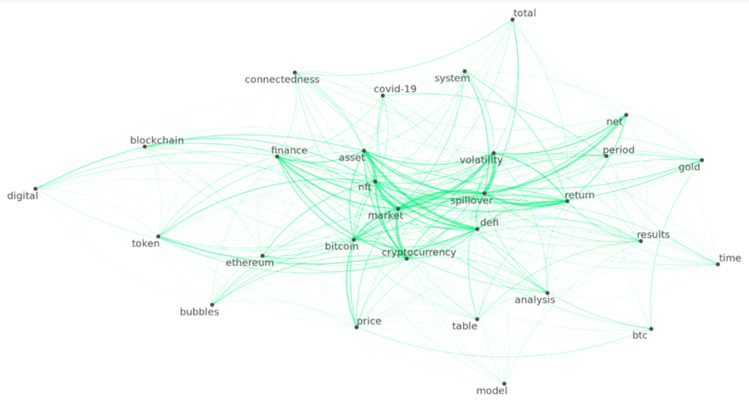
To navigate this landscape, you need a sharper due diligence framework. The image below, sourced from a systematic analysis of DeFi, illustrates the complex web of interactions between protocols, liquidity pools, and external managers. Understanding these connections is vital before committing capital.
Pre-Investment Checklist
Before deploying funds into any DeFi protocol, especially those with active management components, run through this list:
- Audit the Fund Manager: Who is managing the assets? Do they have a transparent track record? Look for third-party audits of their internal controls, not just the smart contract code.
- Verify Asset Custody: Are assets held in a multi-sig wallet with known signers, or are they transferred to an opaque external entity? Transparency in custody is non-negotiable.
- Stress-Test the Stablecoin: If the protocol issues its own stablecoin (like XUSD), analyze its peg stability during market downturns. A 77% depeg, as seen with XUSD, signals severe liquidity fragility.
- Check Liquidity Pools: Ensure there is sufficient liquidity to exit positions without catastrophic slippage. Thinly pooled assets can trap investors during a crisis.
Monitor Real-Time Impact
The fallout from Stream Finance has rippled through the broader crypto market, affecting correlated assets and stablecoins. Use the tools below to monitor the real-time impact on these assets. Tracking volume and price action can help you gauge market sentiment and potential contagion effects.
Frequently asked questions about Stream Finance
What happened to Stream Finance?
Stream Finance entered a crisis after an external fund manager lost approximately $93 million of the platform's assets. The revelation triggered a rapid sell-off across its ecosystem, causing its stablecoin, XUSD, to plunge by nearly 77 percent. This collapse highlighted how external fund management vulnerabilities can destabilize a DeFi protocol.
Did the collapse affect the broader DeFi market?
Yes. A week after the loss, analysts noted significant ripple effects on the broader DeFi space. The event underscored how opaque off-chain strategies and complex dependencies can introduce contagion risks, affecting trust and liquidity across interconnected protocols beyond just Stream Finance itself.
What lessons does this offer for DeFi users?
The primary lesson is the danger of relying on complex, sometimes opaque strategies. Stream Finance’s reliance on external managers without sufficient transparency introduced vulnerabilities that were quickly exploited. Users are advised to scrutinize the operational structure and risk management of any protocol holding their assets.
Helpful gear
Use these product recommendations as a starting point, then choose the size, material, and price point that fit how you actually use the gear.


As an Amazon Associate, we may earn from qualifying purchases.
No comments yet. Be the first to share your thoughts!