The Stream Finance collapse explained
Stream Finance has been thrown into crisis after revealing that an external fund manager lost around $93 million of the platform's assets. The news sent shockwaves through its ecosystem, triggering a rapid sell-off and causing its stablecoin, XUSD, to plunge by nearly 77 percent.
This incident highlights the vulnerabilities introduced by relying on complex, sometimes opaque strategies and off-chain activities. While DeFi risks have traditionally been associated with on-chain code exploits, the Stream Finance failure demonstrates how external custodial relationships can become single points of catastrophic failure. The loss was not a hack in the traditional sense, but rather a failure of oversight regarding how third-party managers deployed capital.
A week after the initial loss, analysts were getting a clearer picture of its ripple effect on the broader DeFi market. The severity of the depeg event underscores the fragility of stablecoins backed by assets managed by entities outside the direct control of the protocol. For investors, the immediate lesson is that transparency in fund management is just as critical as the security of the underlying smart contracts.
How contagion spread through DeFi
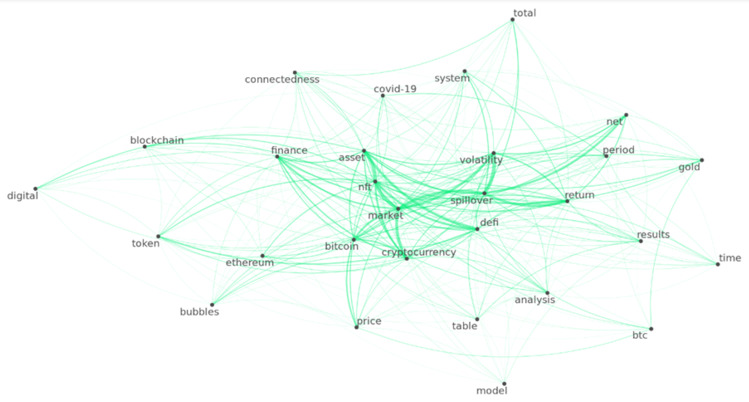
The loss of $93 million did not stay contained within Stream Finance. Within days, the broader decentralized finance ecosystem felt the shockwave. The immediate aftermath was a liquidity crunch as users rushed to withdraw funds from similar protocols, fearing that Stream’s opacity was a symptom of a wider industry rot rather than an isolated incident.
DL News reported that the collapse triggered a rapid sell-off across the stablecoin sector. Trust, the most fragile asset in DeFi, evaporated. Protocols that had previously enjoyed steady growth saw their total value locked (TVL) drop as investors pulled capital to safety. This wasn't just a Stream problem; it was a stress test for the entire model of unverified yield generation.
S&P Global Ratings highlighted that Stream’s reliance on complex, off-chain strategies introduced vulnerabilities that the rest of the market had to absorb. When one player fails with such magnitude, it forces a reckoning. Auditors, regulators, and users began scrutinizing reserve backing and risk management practices with renewed intensity. The confidence shock meant that even healthy protocols had to pay a premium to retain users.
The ripple effect demonstrated how interconnected these financial primitives are. A failure in one corner can freeze liquidity in others, proving that transparency is not just a best practice—it is a systemic necessity for survival.
Key risks in DeFi infrastructure
Use this section to make the DeFi Stream Crypto Analysis decision easier to compare in real life, not just on paper. Start with the reader's actual constraint, then separate must-have requirements from details that are merely nice to have. A practical choice should survive normal use, maintenance, timing, and budget. If a recommendation only works in an ideal situation, call that out plainly and give the reader a fallback path.
The simplest way to use this section is to write down the must-have criteria first, then compare each option against those criteria before weighing nice-to-have features.
What investors should watch next
Use this section to make the DeFi Stream Crypto Analysis decision easier to compare in real life, not just on paper. Start with the reader's actual constraint, then separate must-have requirements from details that are merely nice to have. A practical choice should survive normal use, maintenance, timing, and budget. If a recommendation only works in an ideal situation, call that out plainly and give the reader a fallback path.
The simplest way to use this section is to write down the must-have criteria first, then compare each option against those criteria before weighing nice-to-have features.
No comments yet. Be the first to share your thoughts!