Defining the DeFi Stream Crypto Landscape
Decentralized finance has long been dominated by the concept of lump-sum yield farming, where capital is deployed in large blocks to capture static returns. While effective for certain strategies, this approach often exposes investors to significant risk during market downturns, as large positions must be exited all at once. DeFi stream crypto changes this dynamic by treating liquidity not as a static deposit, but as a continuous, linear flow. This infrastructure shift allows for the time-weighted distribution of assets, mirroring traditional payroll systems or subscription models but operating on immutable blockchain ledgers.
The core distinction lies in the mechanism of value transfer. Instead of locking funds for a fixed term or providing liquidity in a single transaction, streaming protocols release assets second-by-second. This granularity offers a more nuanced way to manage risk and reward. It enables users to receive or send value only for the exact duration they hold it, reducing the exposure to sudden price volatility that often plagues traditional farming exits. For researchers and participants, this represents a move from static balance sheets to dynamic cash flows.
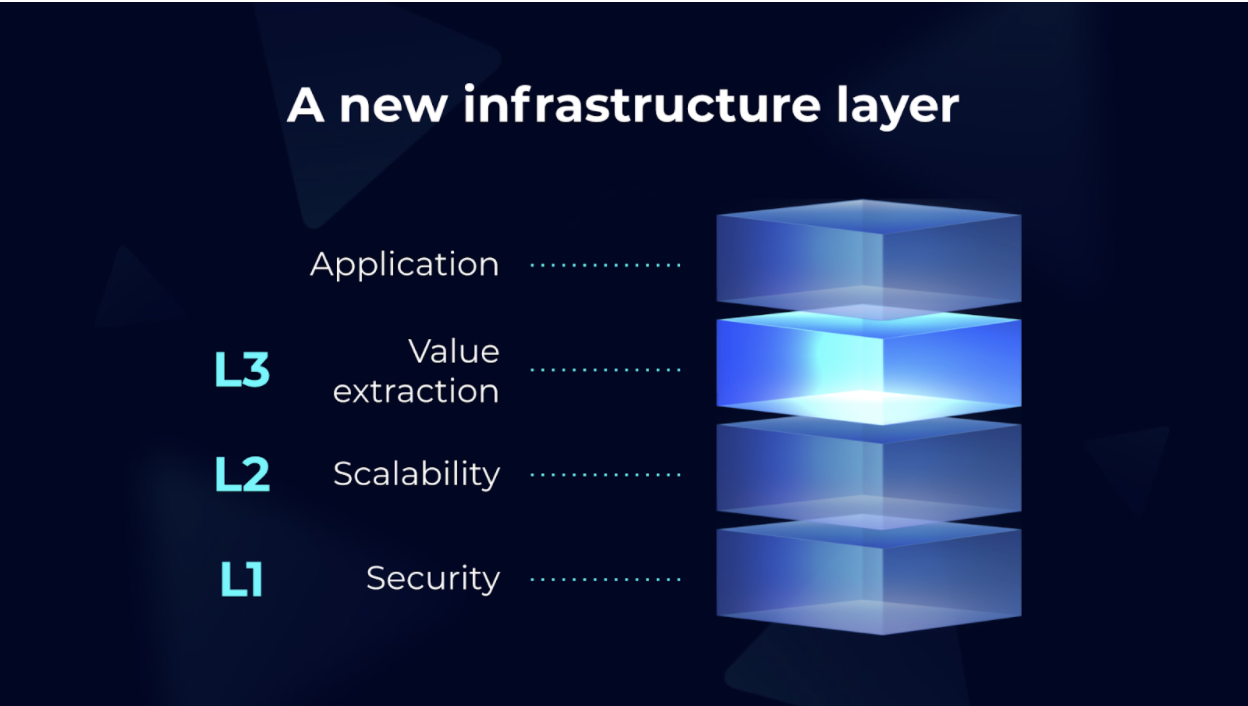
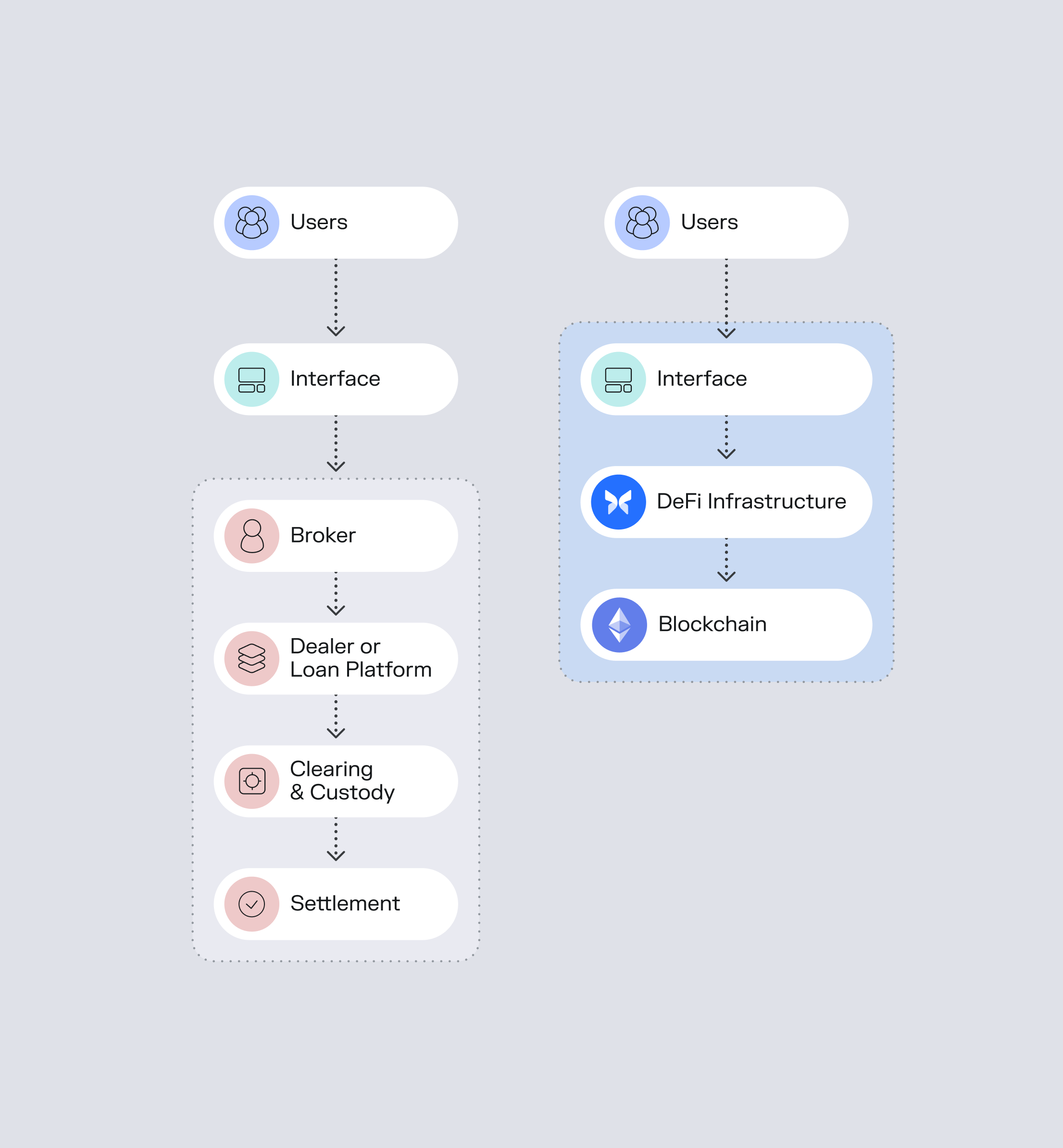
This guide focuses on the tools and research strategies necessary to analyze this evolving sector. We will examine how streaming finance integrates into the broader DeFi stack—spanning settlement, asset, protocol, application, and aggregation layers—and why understanding these flows is critical for modern portfolio management. By prioritizing open-source, well-audited projects, participants can leverage these continuous distribution models while mitigating the risks associated with smart contract vulnerabilities.
Understanding these flows requires a shift in perspective. Where traditional finance looks at end-of-day balances, DeFi stream crypto looks at the rate of change. This section sets the stage for evaluating the specific tools that make this possible, ensuring you have the right infrastructure to track and participate in these real-time financial streams.
Essential infrastructure for streaming yield
Streaming yield relies on a specific set of protocols that allow assets to flow continuously rather than in discrete blocks. This infrastructure replaces traditional settlement layers with real-time accounting, ensuring that interest accrues second-by-second. Understanding these tools is the first step in the DeFi Stream Crypto guide, as they form the technical backbone of the strategy.
Most streaming protocols operate as smart contract layers on top of existing blockchains. They interact directly with liquidity pools and lending markets to automate the distribution of rewards. This setup removes the need for manual claim-and-reclaim cycles, which often result in missed yield opportunities or high gas fees. By integrating these protocols, users can hold positions that pay out as they hold, aligning incentives more closely with actual usage.
The choice of protocol often dictates which chains and tokens are supported. Some platforms prioritize Ethereum for security, while others focus on high-throughput, low-cost networks like Arbitrum or Solana. Developer tooling also varies; some protocols offer robust SDKs for building custom streaming applications, while others provide simple interfaces for end-users. Selecting the right infrastructure depends on your priority: maximum security, lowest transaction costs, or broadest token compatibility.

To help you analyze the current landscape, here is a comparison of key streaming protocols based on their primary features and technical support.
| Protocol | Supported Chains | Token Compatibility | Developer Tooling |
|---|---|---|---|
| Stream Finance | Ethereum, Polygon, BSC | ERC-20, ERC-721 | SDK, API |
| Superfluid | Ethereum, Arbitrum, Optimism, Polygon | ERC-20, ERC-721, ERC-1155 | SDK, Graph Node |
| Sablier | Ethereum, Polygon, Arbitrum, Optimism, BSC | ERC-20, ERC-721 | SDK, API, Dashboard |
| Clanker | Solana | SPL Tokens | Rust SDK, API |
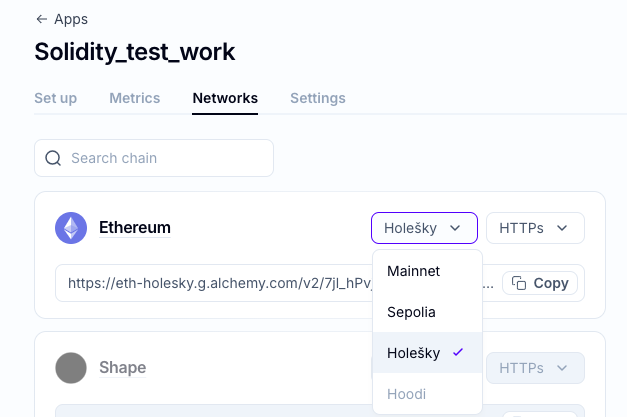
While the digital infrastructure handles the flow of assets, the physical tools you use to interact with these networks matter just as much. Secure hardware wallets and reliable node access are critical for managing the keys that control your streaming positions.


As an Amazon Associate, we may earn from qualifying purchases.
As you evaluate these tools, keep an eye on the broader market conditions. The performance of streaming yields often correlates with the underlying asset's volatility and liquidity depth. Monitoring live market data can help you time your entries and exits effectively.
Market research tools for DeFi analysis
Tracking the DeFi stream requires more than just watching price tickers. To understand protocol health and sustainable yield, you need to monitor on-chain data, liquidity depth, and security audits. These tools act as your dashboard, filtering out the noise so you can spot genuine trends versus temporary hype.
Start with a live view of the broader market. Ethereum (ETH) remains the backbone of most DeFi activity, so its price action often dictates liquidity flows across the ecosystem. Watching ETH helps you gauge overall risk appetite before diving into specific tokens.
For protocol-specific metrics, look beyond total value locked (TVL). TVL can be inflated by a single large deposit. Instead, use dashboards that break down daily active users, transaction volume, and revenue generated by the protocol. This reveals whether a platform is actually being used or just sitting idle.
Security is non-negotiable in DeFi. Before interacting with any new stream or yield farm, check if the smart contract has been audited by reputable firms. Platforms like DeFi Llama and DefiSafety aggregate these security scores, helping you avoid protocols with unpatched vulnerabilities or unaudged code.
Finally, monitor liquidity pools for slippage and impermanent loss potential. Tools like Uniswap’s fee tier calculator or Dune Analytics dashboards allow you to simulate trades and see how much value you might lose to price impact. This data-driven approach ensures you aren’t just chasing yields, but understanding the actual cost of doing business in the DeFi stream.
Executing a sustainable yield strategy
Building a DeFi Stream Crypto guide requires moving beyond high-yield farming traps that often collapse under their own weight. Sustainable yield relies on infrastructure that prioritizes capital preservation and consistent, lower-risk returns. Instead of chasing double-digit APYs on volatile, unproven tokens, focus on established protocols with deep liquidity and transparent smart contracts. This approach turns your crypto holdings into a reliable cash-flow engine rather than a speculative gamble.
The workflow for implementing these strategies involves a disciplined sequence of verification and deployment. By following a structured process, you can mitigate the risks inherent in decentralized finance while still capturing value from liquidity provision or lending.
Before committing funds, confirm that the protocol’s smart contracts have undergone independent security audits from reputable firms. Look for publicly available audit reports and check for any unresolved critical vulnerabilities. This step is non-negotiable for avoiding exploits and rug pulls.
Evaluate the total value locked (TVL) and trading volume of the pools or lending markets you intend to use. Shallow liquidity increases the risk of slippage and price manipulation. Prioritize platforms with consistent, organic inflows rather than those relying on inflationary token rewards to attract capital.
Spread your capital across multiple blue-chip DeFi Stream Crypto platforms to reduce exposure to any single point of failure. This might involve allocating assets between different lending markets or liquidity pools on separate chains. Diversification acts as a buffer against protocol-specific risks.

Factor in the transaction costs associated with deploying and rebalancing your positions. High gas fees can erode your yield, especially on congested networks like Ethereum mainnet. Consider using layer-2 solutions or alternative chains with lower fees to maintain profitability on smaller capital allocations.
Use on-chain analytics tools to set alerts for significant changes in pool composition, protocol governance votes, or unusual trading activity. Early detection of anomalies allows you to withdraw funds before potential market shifts or security incidents impact your principal.
A sustainable yield strategy is less about maximizing short-term gains and more about building a resilient portfolio. By adhering to these steps, you can manage DeFi risks with greater confidence and longevity.
Navigating safety and regulatory risks
DeFi moves fast, but that speed often outpaces the safety nets you might expect from traditional finance. For this DeFi Stream Crypto guide, we prioritize infrastructure resilience over hype. The landscape is shifting in 2026, with regulators tightening oversight and smart contract vulnerabilities remaining a primary threat vector. You are your own bank, which means you are also your own security team.
Start by sticking to open-source, well-audited projects. As noted in community discussions, beginners should avoid fringe investments until they understand the code. Use tools like DeFi Llama to verify total value locked (TVL) and audit history. A high yield often signals a high risk of smart contract failure or a rug pull. Never trust a contract just because it has a nice website.
Regulatory uncertainty is another layer of risk. While no single global standard exists yet, jurisdictions like the EU (MiCA) and the US are clarifying rules. Stay informed through official government publications rather than social media rumors. Always assume that any interaction you make is public and immutable. Double-check contract addresses and use hardware wallets for significant holdings to keep your keys offline.
Common defi streaming: what to check next
Navigating decentralized finance involves more than just moving funds; it requires understanding the underlying infrastructure and safety protocols. This section addresses frequent queries about security, token selection, and the structural layers of the DeFi ecosystem to help you build a solid research foundation.
Understanding these foundational elements helps clarify how DeFi streaming tools interact with the broader market. Always prioritize official documentation and primary sources when evaluating new protocols or tokens.
No comments yet. Be the first to share your thoughts!