Stream Finance Crash Overview
The collapse of Stream Finance serves as a stark case study in DeFi stream crypto analysis. In early 2025, the protocol experienced a catastrophic de-pegging of its stablecoin, xUSD, resulting in a verified loss of $93 million. This event was not merely an isolated failure but a systemic shock that rippled through the broader decentralized finance ecosystem, exposing vulnerabilities in yield mechanics and liquidity management.
At the core of the incident was a complex interaction between xUSD’s yield-bearing structure and underlying asset volatility. The protocol relied on dynamic interest rate models to maintain the peg, but rapid market shifts overwhelmed these safeguards. As liquidity dried up, the price of xUSD decoupled from its $1 target, triggering a cascade of liquidations and panic exits. The immediate aftermath saw a sharp contraction in total value locked (TVL) across related protocols, highlighting the interconnected risks inherent in DeFi.
The fallout extended beyond Stream Finance, affecting lenders, borrowers, and traders who had exposure to xUSD or its collateralized assets. The incident underscored the importance of transparent reporting and robust risk management in high-stakes financial engineering. As the dust settles, the de-pegging event remains a critical reference point for understanding the fragility of yield-based stablecoins and the need for stricter oversight in DeFi innovation.
How the Recursive Yield Engine Failed
The Stream Finance collapse was not a simple hack or an external exploit. It was a structural failure caused by a recursive yield engine that relied on continuous liquidity inflows to sustain its promised returns. In a DeFi Stream Crypto analysis, this mechanism stands out as a textbook example of how internal leverage loops can masquerade as organic yield.
Stream Finance’s model depended on a circular flow of capital. Users deposited assets, which were then used as collateral to mint more stablecoins or borrow further against the same underlying value. This process, known as recursive minting, amplified the protocol’s lending capacity without bringing in new external capital. The yield generated came largely from the interest paid by these newly minted positions, creating a closed loop where the protocol’s profitability was tied to its own ability to expand its balance sheet.
This structure is inherently fragile. It functions well when market sentiment is positive and users are eager to deposit and borrow. However, it requires constant new liquidity to service the interest obligations of the expanded positions. When market conditions shifted and confidence waned, the inflow of new capital slowed. The protocol could no longer generate enough internal interest to cover the costs of its leveraged positions.
The collapse exposed a critical vulnerability in DeFi’s pursuit of high yields. By relying on a self-referential yield engine, Stream Finance created a bubble that was destined to burst when the growth rate of deposits could no longer outpace the interest costs. This event highlights the importance of distinguishing between yield derived from real economic activity and yield derived from financial engineering.
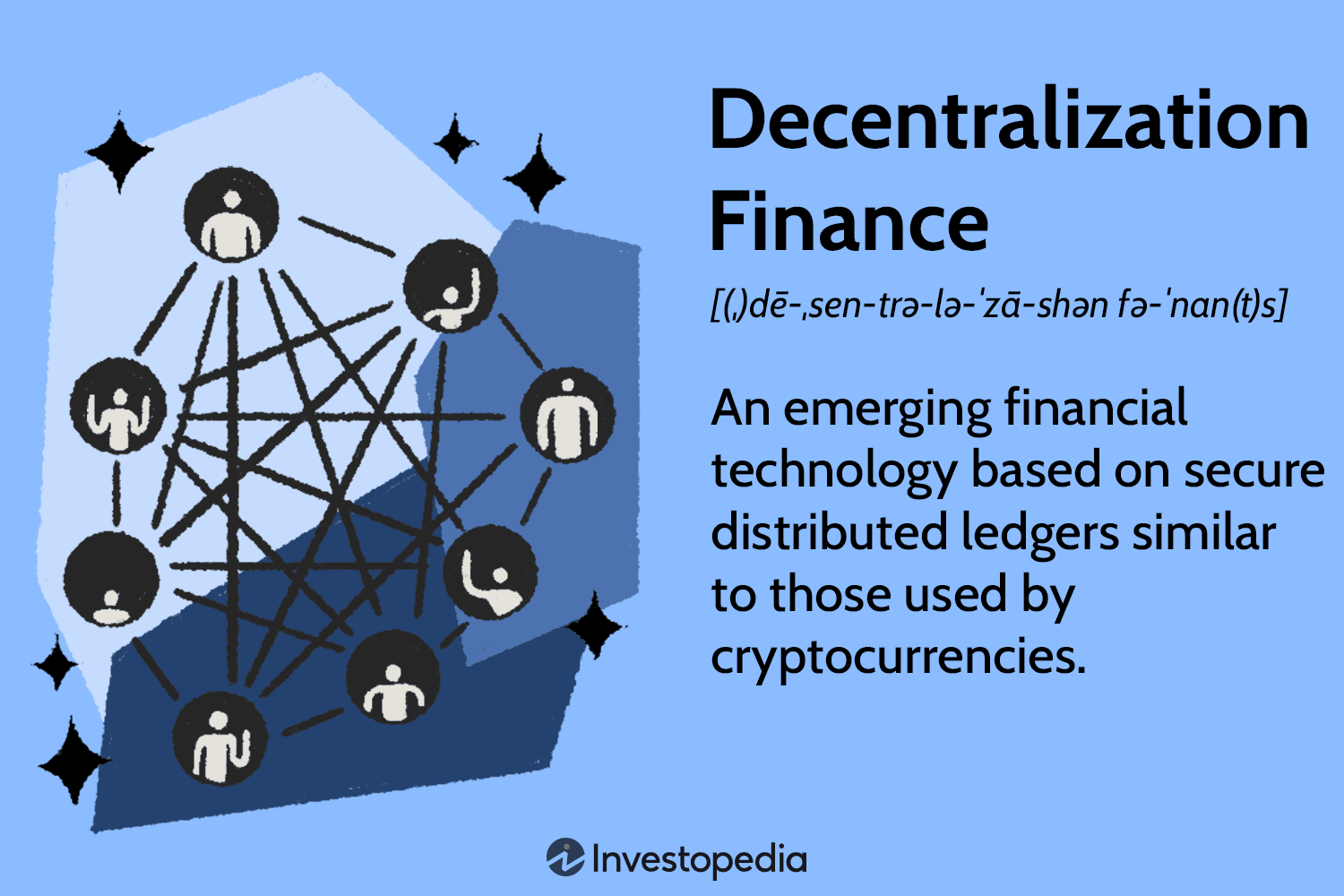
In contrast to protocols like Aave or Compound, which offer modest but sustainable yields backed by broader market demand, Stream Finance’s model lacked a clear external revenue stream. The comparison is stark: while traditional DeFi lending platforms generate income from real-world borrowing needs, Stream’s engine was largely feeding on itself. This distinction is crucial for any DeFi Stream Crypto analysis, as it underscores the risk of investing in protocols that prioritize yield amplification over structural resilience.
Comparing Stream Finance to Safer DeFi Yields
To understand the magnitude of the Stream Finance collapse, it helps to look at the alternatives that were available at the time. Stream’s strategy relied on complex looping to generate high yields, a model that promised returns significantly higher than the baseline lending protocols. While the allure of double-digit percentage yields is understandable, the risk profile of those returns was fundamentally different from established DeFi infrastructure.
The primary difference lies in the source of the yield. Protocols like Aave and Compound generate returns through straightforward lending demand, where borrowers pay interest on assets. Stream, however, relied on delta-neutral strategies and market-making loops that were highly sensitive to liquidity conditions and token price volatility. When the underlying assets faced downward pressure, the leverage used to amplify yields worked in reverse, accelerating the loss of principal.
The following comparison highlights the trade-offs between the high-yield speculative strategies employed by Stream and the conservative lending models of Aave and Compound. This distinction explains why Stream’s collapse was so disruptive: it was not just a yield drop, but a structural failure of the leverage mechanism.
| Protocol | Approx. APY | TVL Status | Yield Source | Risk Profile |
|---|---|---|---|---|
| Stream Finance | High (Variable) | Collapsed | Looping & Market Making | High (Leveraged) |
| Aave | ~4.8% | Billions | Lending Demand | Low |
| Compound | ~3.0% | Billions | Lending Demand | Low |
The data shows that while Aave and Compound offered modest but stable returns (around 4.8% and 3% respectively for USDC), they did so with massive total value locked (TVL) and a transparent lending model. Stream’s higher yields were not free; they were a premium paid for taking on complex, leveraged risks that most retail users did not fully grasp. This DeFi stream crypto analysis underscores that higher yields in DeFi often come with hidden leverage risks that can evaporate quickly during market stress.
Ripple Effects Across the DeFi Ecosystem
The collapse of Stream Finance did not remain an isolated incident. Within days, the $93 million loss triggered a broader contagion across the DeFi ecosystem, exposing how deeply intertwined high-yield strategies had become. The DeFi Stream Crypto analysis reveals that the damage extended far beyond Stream’s own vaults, impacting lenders, liquidity providers, and users who had allocated capital to similar hybrid CeDeFi models.
The immediate shockwave hit protocols that relied on Stream’s yields to sustain their own interest rates. Lenders who had integrated Stream Finance’s high-yield assets into their lending pools saw their collateral values plummet. As the xUSD stablecoin depegged and lost trust, these protocols faced a sudden liquidity crunch. Users rushed to withdraw their funds, forcing platforms to halt withdrawals or impose slippage penalties. This created a feedback loop where the fear of contagion drove further sell-offs, amplifying the initial loss.
Beyond direct lending integrations, the crisis exposed the fragility of yield aggregation. Many users had diversified their portfolios across multiple platforms, assuming that spreading risk would protect them. Instead, they found that many of these platforms were chasing the same underlying yield sources. When Stream Finance faltered, the entire layer of dependent yields collapsed simultaneously. This highlighted a critical vulnerability: the lack of transparency in how yields were generated and distributed across the DeFi stack.
The broader market reaction was swift. Major DeFi tokens experienced significant sell-offs as investors reassessed their exposure to high-yield strategies. The incident served as a stark reminder that in DeFi, yield often comes with hidden risks. As the dust settled, the community began to question the sustainability of these models, leading to a more cautious approach to capital allocation in the years that followed.
What This Means for DeFi Infrastructure
The xUSD collapse serves as a stark reminder that DeFi stream crypto analysis must look beyond surface-level yield metrics. High returns often mask complex, recursive structures that can unravel when market conditions shift. The primary lesson is not to avoid innovation, but to demand transparency in how these protocols generate revenue and manage risk.
Investors should scrutinize the underlying mechanics of any high-yield opportunity. Are the returns driven by genuine economic activity, or are they fueled by token emissions that dilute value? A rigorous DeFi stream crypto analysis requires understanding the source of yield, not just the rate. Protocols that rely on opaque or unsustainable models pose a systemic risk to the broader ecosystem.
The industry needs better auditing standards for recursive yield models. Current practices often fail to stress-test these complex interactions under extreme market conditions. As the sector matures, regulatory frameworks and independent audits will play a crucial role in identifying vulnerabilities before they become catastrophic failures.
For now, caution is the best strategy. Treat high-yield DeFi protocols with the same skepticism you would apply to any unregulated financial product. Verify the smart contract code, understand the tokenomics, and never invest more than you can afford to lose. The future of decentralized finance depends on building robust, transparent infrastructure that can withstand the pressures of real-world markets.
No comments yet. Be the first to share your thoughts!