DeFi Stream Crypto Analysis: The Stream Finance Context
The $93 million collapse of Stream Finance serves as a stark case study in DeFi stream crypto analysis, exposing the dangers of off-chain opacity and external fund management. While Decentralized Finance promises transparency through code, this incident highlights how complex strategies and off-chain activities can introduce vulnerabilities that smart contracts alone cannot mitigate.
Stream Finance relied on opaque strategies and external managers, creating a disconnect between on-chain appearances and actual risk exposure. When an external fund manager disclosed the loss, it triggered a ripple effect across the broader DeFi ecosystem, demonstrating how interconnected and fragile these systems can be. The platform has since engaged law firm Perkins Coie LLP to lead a legal investigation into the matter, signaling the serious regulatory and legal implications of such failures.
This event underscores the importance of scrutinizing not just the code, but the entire operational structure of DeFi protocols. Investors must look beyond yield promises and understand the underlying asset management and counterparty risks. The collapse of Stream Finance is not an isolated incident but a warning about the hidden risks in modern DeFi architectures.
Tracking real-time yield infrastructure
The collapse of Stream Finance exposed a critical vulnerability in DeFi: the gap between on-chain reality and off-chain reporting. Investors were promised delta-neutral yields, but the underlying liquidity moats were opaque. Without transparent, real-time data, it is impossible to verify whether a protocol’s strategies are actually hedged or simply leveraged to the hilt.
DeFi stream crypto tools must prioritize on-chain visibility. When a protocol operates off-chain or relies on complex, unverified strategies, risk accumulates in the shadows. S&P Global Ratings noted that Stream’s reliance on such opaque activities introduced severe vulnerabilities that eventually triggered contagion. You cannot manage what you cannot see.
The following comparison highlights the difference between transparent on-chain monitoring and opaque off-chain reporting mechanisms. Understanding this distinction is essential for protecting capital.
Tools like DefiLlama provide essential on-chain metrics, such as Total Value Locked (TVL), which serve as a baseline for liquidity health. However, TVL alone is insufficient. You need to know how that liquidity is deployed. Is it truly delta-neutral, or is it exposed to market swings? Real-time tracking allows you to spot discrepancies between reported yields and actual on-chain performance before they become catastrophic.
Without these tools, investors are flying blind. The Stream Finance case is a stark reminder that in DeFi, transparency is not just a best practice—it is a survival mechanism. Relying on off-chain claims without on-chain verification is a recipe for disaster.



As an Amazon Associate, we may earn from qualifying purchases.
Ripple Effects Across the DeFi Ecosystem
The $93 million loss at Stream Finance did not stay contained within its own walls. Within days, the collapse began to ripple through the broader decentralized finance (DeFi) market, exposing the fragile interconnections that define modern crypto infrastructure. What started as a protocol-specific failure quickly morphed into a systemic stress test, revealing how deeply counterparty risks are woven into the fabric of yield generation.
Stablecoin issuers and liquidity providers faced immediate scrutiny. When Stream Finance faltered, it triggered a loss of confidence among users who had deposited funds into related protocols. This contagion effect is not unique to DeFi, but the speed at which it spreads is. Unlike traditional banking, where resolution timelines can stretch over months, DeFi markets react in real-time. Panic selling and mass withdrawals can drain liquidity pools before any fundamental assessment of risk is completed.
Warning | S&P Global Ratings has highlighted that Stream Finance’s reliance on complex, sometimes opaque strategies introduced significant vulnerabilities to the wider ecosystem. Their analysis underscores how off-chain activities and lack of transparency can amplify systemic risk in decentralized environments.
The incident serves as a stark reminder that "decentralized" does not mean "unconnected." Protocols often share underlying assets, rely on the same oracles, or hold exposure to each other’s tokens. When one node fails, the shockwave travels through these shared dependencies. For investors, this means that due diligence must extend beyond the immediate protocol to include its counterparties and the broader network of financial relationships it supports.
TechnicalChart symbol="NASDAQ:COIN" chartStyle="candle" interval="1D" indicators='["volume"]'
Due diligence and legal tracking
The $93 million loss in the Stream Finance collapse was not just a technical failure; it was a failure of oversight. When a DeFi protocol relies on external fund managers for off-chain yield generation, the smart contract is only as secure as the legal agreements governing the custodial assets. Investors must treat these off-chain components with the same scrutiny as the on-chain code.
After the loss was disclosed, Stream Finance engaged the law firm Perkins Coie to lead a legal investigation, while the founders filed a lawsuit against the partner alleged to be responsible for the missing funds [1]. This rapid escalation from financial loss to legal action highlights the importance of tracking where assets are held and who controls them. If the legal recourse is unclear or the jurisdiction is opaque, the capital is effectively gone, regardless of the protocol's on-chain liquidity.
To protect against similar high-stakes failures, you need a pre-investment checklist that goes beyond tokenomics. Focus on the legal structure of the yield source. Does the protocol have a clear legal entity? Are there regular, audited proofs of reserves for off-chain assets? If the answer is vague, the risk is too high.
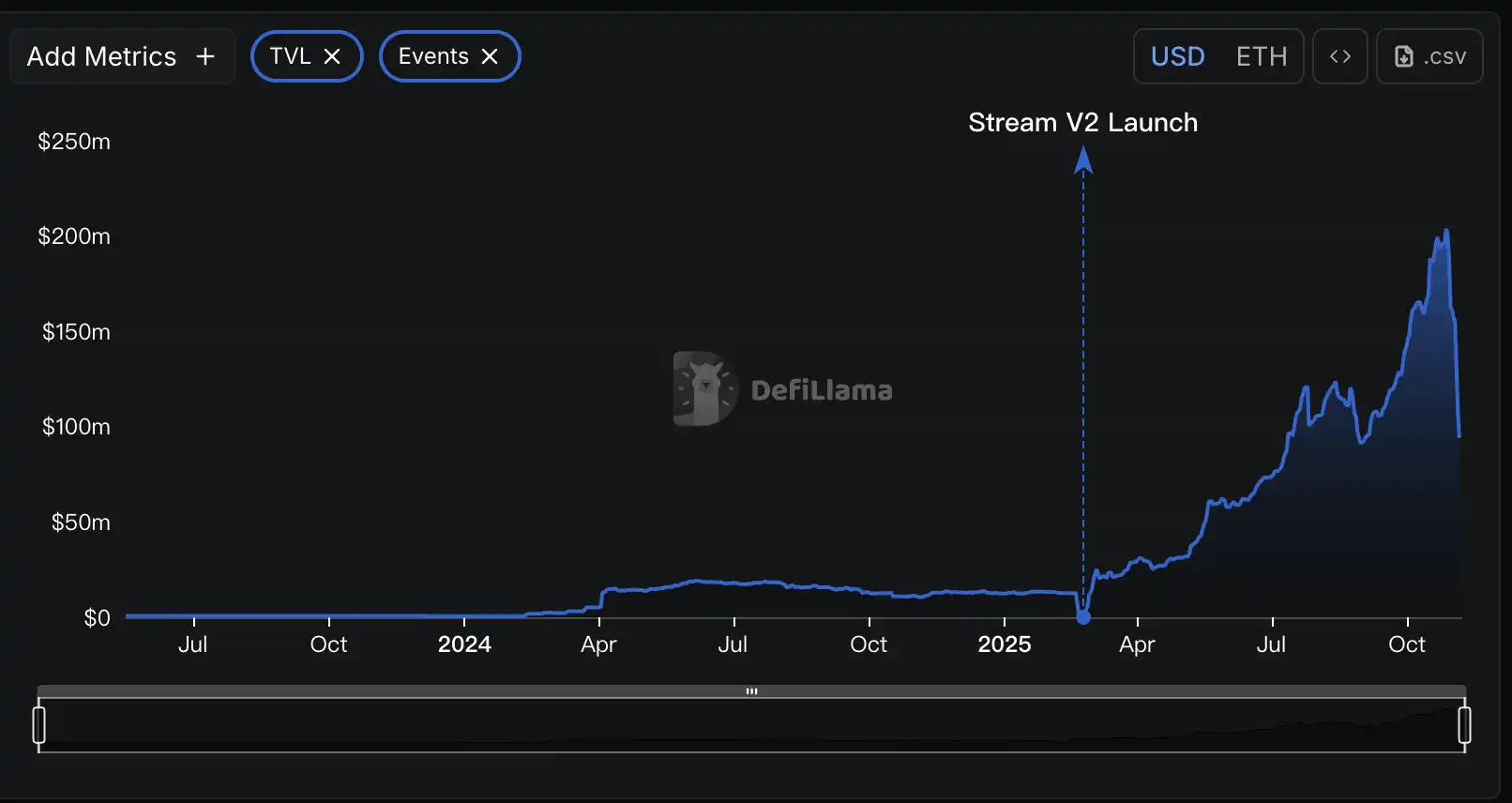
Diversification as a risk shield
No single DeFi protocol, no matter how audited or legally sound, is immune to black swan events. The Stream incident serves as a stark reminder that even established players can face catastrophic losses due to counterparty risk. Diversification is not just about spreading capital across different chains or tokens; it is about spreading risk across different types of yield generation.
Avoid concentrating your portfolio in protocols that rely on a single external fund manager or a single off-chain entity. Instead, allocate capital across multiple strategies, including decentralized lending, liquid staking, and regulated yield products. This way, if one leg of your strategy breaks, the rest of your portfolio remains intact. The goal is to ensure that no single failure can wipe out your entire position.
Live market context
Understanding the broader market sentiment is crucial when evaluating risk. During times of high volatility or negative news cycles, liquidity can dry up quickly, exacerbating losses in distressed protocols. Monitoring the performance of major DeFi tokens can provide early warning signs of ecosystem-wide stress.
The chart above shows the price action of Aave (AAVE), a leading DeFi lending protocol. While this is not a direct correlation to Stream Finance, it reflects the general health and sentiment of the DeFi sector. A sharp decline in such blue-chip DeFi assets often precedes increased scrutiny and risk aversion across the entire ecosystem, making it an important indicator for investors assessing new or existing positions.
[1] Source: Stream Finance Faces $93 Million Loss, Launches Legal Investigation, CoinDesk
Market outlook and regulatory scrutiny
The $93 million collapse of Stream Finance is not an isolated glitch; it is a stress test for the entire decentralized finance sector. When high-stakes failures occur, the immediate reaction is often panic, but the longer-term impact is a shift toward regulatory scrutiny and changed investor behavior. Trust, once eroded, takes years to rebuild, and the burden of proof has shifted from protocol developers to market participants.
Regulators are watching closely. While decentralized finance was originally conceived as permissionless and borderless, the integration of traditional finance (TradFi) assets into DeFi protocols creates clear jurisdictional hooks. The U.S. Securities and Exchange Commission (SEC) and the Commodity Futures Trading Commission (CFTC) have signaled that they will not tolerate opaque structures that bypass existing financial safeguards. Stream Finance’s attempt to bridge the "liquidity moat" between TradFi and DeFi has drawn attention precisely because it touched on regulated securities-like instruments without the requisite compliance framework.
Investor behavior is also evolving. The era of blind faith in smart contract code is ending. Capital is flowing away from unverified yield farms and toward protocols with transparent audits, clear legal structures, and real-world asset backing. This is not a death knell for DeFi, but it is a maturation process. The market is learning that decentralization does not mean lawlessness.
Frequently asked: what to check next
[1] https://disb.dc.gov/page/beware-decentralized-finance-defi [2] https://finance.yahoo.com/news/stream-finance-debacle-affected-rest-173634768.html
No comments yet. Be the first to share your thoughts!