DeFi Stream Crypto Analysis: Why Tools Matter
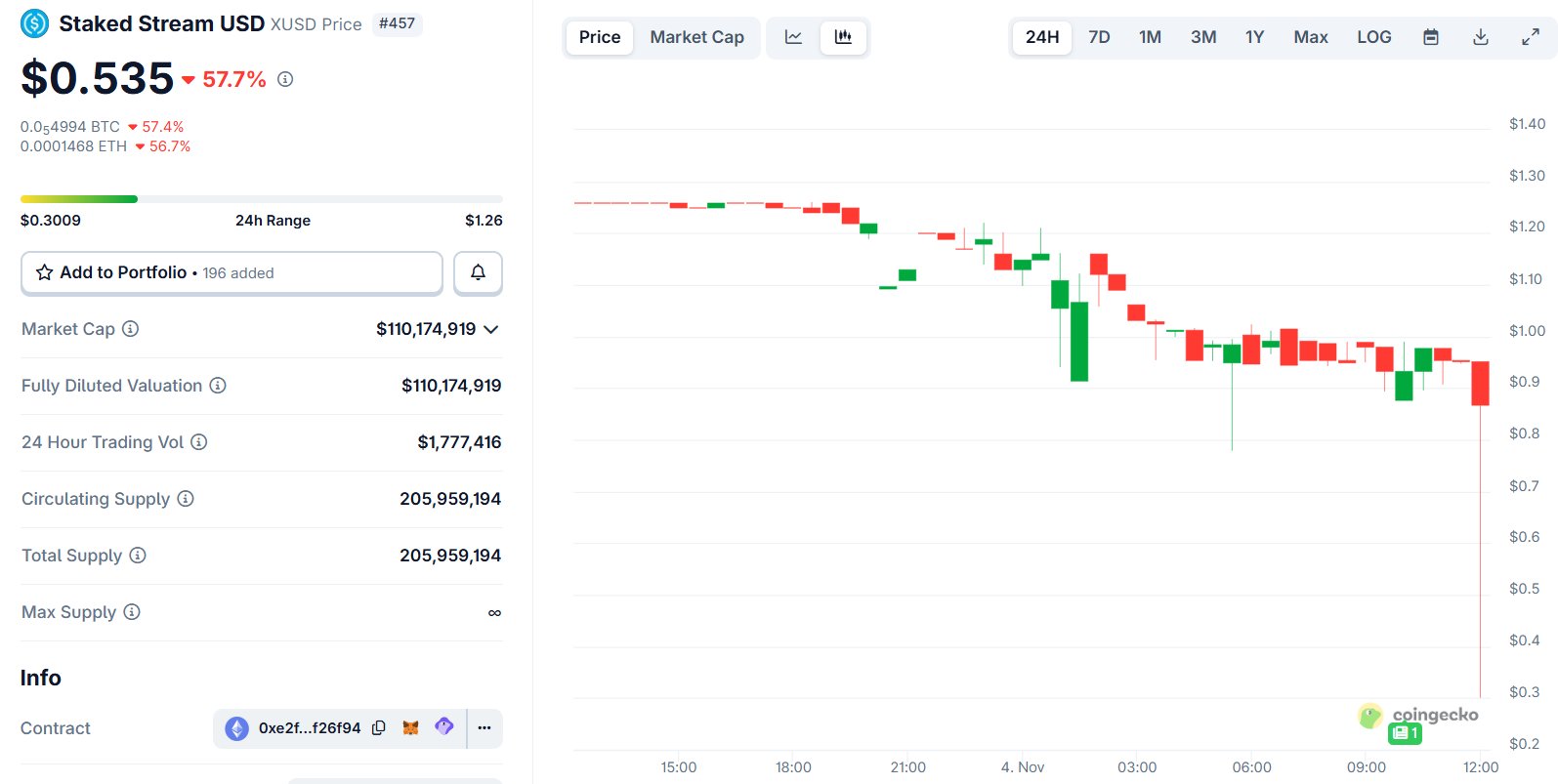
The collapse of Stream Finance serves as a stark case study in the fragility of decentralized finance. When an external fund manager lost $93 million, the impact rippled through the broader ecosystem, exposing gaps in transparency and risk management that many protocols had overlooked [1]. This wasn't just a loss of capital; it was a failure of infrastructure that left users without recourse or clear visibility into where their assets went.
Complex and often opaque strategies introduced vulnerabilities that traditional finance might have caught earlier. S&P Global Ratings noted that these off-chain activities created blind spots, reminding us that DeFi risks are contagious [3]. Without proper tools to track and audit these flows, even well-intentioned protocols can become vectors for systemic failure.
For anyone involved in DeFi, understanding these infrastructure failures is not optional—it's essential. The lessons from Stream Finance underscore why we need better, more transparent tools to safeguard capital in an increasingly complex financial landscape.
Tracking DeFi Metrics and Protocol Health
Keeping tabs on decentralized finance requires more than just watching price charts. You need to understand the underlying mechanics of a protocol, such as its Total Value Locked (TVL), revenue streams, and user activity. Tools like DefiLlama provide the raw data needed to separate viable projects from speculative noise.
DefiLlama serves as a central hub for on-chain analytics. It aggregates data across multiple blockchains, allowing you to compare protocols side-by-side. For example, you can track Stream Finance’s performance metrics directly on their protocol page, which offers real-time charts and historical data on their delta-neutral strategies and market making opportunities.
| Tool | Primary Focus | Data Source |
|---|---|---|
| DefiLlama | TVL & Protocol Revenue | On-chain aggregators |
| Dune Analytics | Custom SQL Queries | Direct blockchain nodes |
| Nansen | Smart Money Tracking | Wallet labeling & AI |
When evaluating these tools, consider what specific data points matter for your strategy. Are you looking for aggregate TVL trends or individual wallet movements? DefiLlama excels at broad market overview, while platforms like Dune Analytics allow for deeper, custom queries if you need to dig into specific transaction patterns.
Essential Security and Risk Management Tools
Use this section to make the DeFi Stream Crypto Analysis decision easier to compare in real life, not just on paper. Start with the reader's actual constraint, then separate must-have requirements from details that are merely nice to have. A practical choice should survive normal use, maintenance, timing, and budget. If a recommendation only works in an ideal situation, call that out plainly and give the reader a fallback path.
The simplest way to use this section is to write down the must-have criteria first, then compare each option against those criteria before weighing nice-to-have features.
How to Evaluate DeFi Infrastructure
Before you connect your wallet to a new protocol, treat the evaluation like a security audit. DeFi infrastructure moves fast, but reliability shouldn't. Use this checklist to separate robust tools from speculative experiments.
Look for recent, independent security audits from reputable firms like Trail of Bits, OpenZeppelin, or CertiK. One audit is a snapshot; multiple audits over time show a commitment to ongoing security. Check if the audit reports are public and if critical vulnerabilities were actually fixed.
Anonymous teams aren't inherently bad, but they carry higher risk. Look for doxxed founders or established DAO governance structures. Transparent governance means changes to the protocol are voted on by token holders, reducing the risk of a "rug pull" or unilateral decision-making by developers.
Bad tokenomics can kill a protocol faster than a hack. Look for high inflation rates or large token unlocks scheduled for the near future. If the team holds a massive percentage of the supply, their selling pressure could crash the price. Sustainable protocols align incentives between users, investors, and developers.
Open-source code allows the community to verify security. Check if the smart contracts are verified on block explorers like Etherscan. If the code is closed-source, you are trusting the team blindly. Transparency is the first line of defense in DeFi.
Never commit your entire portfolio to a new tool. Start with a small amount to test the user experience, transaction speeds, and hidden fees. If the interface is confusing or the transaction costs are unexpectedly high, it's a red flag for the underlying infrastructure.


As an Amazon Associate, we may earn from qualifying purchases.
Using a hardware wallet is non-negotiable for serious DeFi interaction. It keeps your private keys offline, protecting you from phishing attacks and malware. Choose a device that supports the specific blockchain you plan to use.
Defi stream crypto analysis: frequently asked: what to check next
The recent collapse of Stream Finance, which saw $93 million lost to an external fund manager, has raised serious questions about safety in decentralized finance. While DeFi offers powerful infrastructure tools, it remains a high-risk environment where opaque strategies can lead to rapid contagion, as seen when S&P Global highlighted the vulnerabilities in Stream's off-chain activities.
Is DeFi crypto a good investment?
Most financial experts categorize DeFi as speculative. The consensus recommendation is to limit exposure to just 3-5% of your net worth. This caution stems from the fact that DeFi tokens are often tied to complex lending protocols and governance rights rather than traditional cash flows, making them volatile and prone to structural resets during market downturns.
How do I earn passive income with DeFi protocols?
Earning passive income typically involves providing liquidity or lending assets through established protocols. The process starts with setting up a secure hardware wallet to manage your keys, acquiring starter assets like ETH or stablecoins, and then interacting with vetted platforms. Beginners are advised to start with simple, low-risk yield opportunities before expanding into more complex leveraged strategies.
What should I look for in DeFi infrastructure tools?
Given the recent failures, transparency is the most critical factor. Look for tools that offer on-chain verification of reserves and avoid platforms relying on opaque off-chain activities. The Stream Finance debacle serves as a stark reminder that even well-funded projects can fail if their risk management and audit trails are not fully transparent to users.
How do I protect my assets in DeFi?
Security begins with self-custody. Use a hardware wallet to sign transactions, never share your seed phrase, and verify contract addresses before interacting with any dApp. Additionally, diversify your holdings across multiple protocols to mitigate the risk of a single point of failure, such as the contagion effect seen when Stream's xUSD and xBTC collateral was impacted across multiple lending platforms.
No comments yet. Be the first to share your thoughts!