Defining the DeFi stream crypto tool stack
The term "DeFi stream crypto tools" refers to the integrated suite of software that powers decentralized finance. It is not a single app, but the underlying infrastructure that enables real-time data tracking, transaction execution, and portfolio management across blockchain networks Quicknode. Think of it as the nervous system of the crypto economy: it connects isolated protocols so they can communicate and operate together.
These tools span the entire lifecycle of digital asset management. They include on-chain analytics platforms that monitor liquidity, smart contract interfaces that execute trades, and portfolio aggregators that consolidate holdings from multiple chains. Without this stack, DeFi would remain a fragmented collection of isolated experiments rather than a cohesive financial layer.
The current landscape relies heavily on provider-backed infrastructure to ensure accuracy and speed. For developers and users alike, the choice of tools determines how effectively they can navigate market volatility and smart contract risks. The following section breaks down the specific components that make up this essential stack.
Best wallets for secure DeFi access
Choosing the right wallet is the first line of defense in decentralized finance. Your wallet is not just a storage box for tokens; it is the primary gateway to lending protocols, decentralized exchanges, and yield farms. If your entry point is compromised, no amount of on-chain security can save your assets. We recommend MetaMask and Rabby as the two essential tools for navigating the 2026 landscape, each serving a distinct role in your workflow.
MetaMask: The Universal Standard
MetaMask remains the most widely used non-custodial wallet, supporting over 50 networks out of the box. Its ubiquity means almost every DeFi protocol is built to integrate with it seamlessly. For newcomers, the interface is familiar, and the browser extension provides a straightforward way to sign transactions and manage gas fees across Ethereum, Polygon, Arbitrum, and Base.
However, MetaMask’s universal design comes with trade-offs. It lacks advanced transaction simulation, meaning you might sign a malicious approval without realizing it until funds are drained. It is best used for casual interactions or when a specific dApp requires MetaMask as a hard dependency. For high-stakes positions, you should treat it as a secondary interface.
Rabby: Security-First Interface
Rabby, developed by DeBank, is designed specifically to mitigate the risks inherent in DeFi. It automatically detects which network a dApp is requesting access to and simulates transactions before you sign them. This feature alone prevents the vast majority of common phishing attacks and accidental approval exploits. Rabby also supports multiple accounts and portfolios, allowing you to view assets across chains in a single dashboard.
While Rabby has a steeper learning curve than MetaMask, its proactive security model makes it indispensable for serious DeFi participants. It integrates with Ledger and Trezor hardware wallets, ensuring that your private keys never leave your device. If you are managing significant capital, Rabby should be your primary interface.
Comparison: MetaMask vs. Rabby
The table below outlines the core differences to help you decide which wallet fits your risk tolerance and usage patterns.
| Feature | MetaMask | Rabby |
|---|---|---|
| Network Support | 50+ chains | 40+ chains |
| Transaction Simulation | None | Yes |
| Hardware Wallet Support | Ledger, Trezor, KeepKey | Ledger, Trezor, GridPlus |
| Portfolio View | Basic | Advanced multi-chain |
| Best Use Case | Casual browsing, broad compatibility | High-value DeFi, security focus |
Hardware Wallet Integration
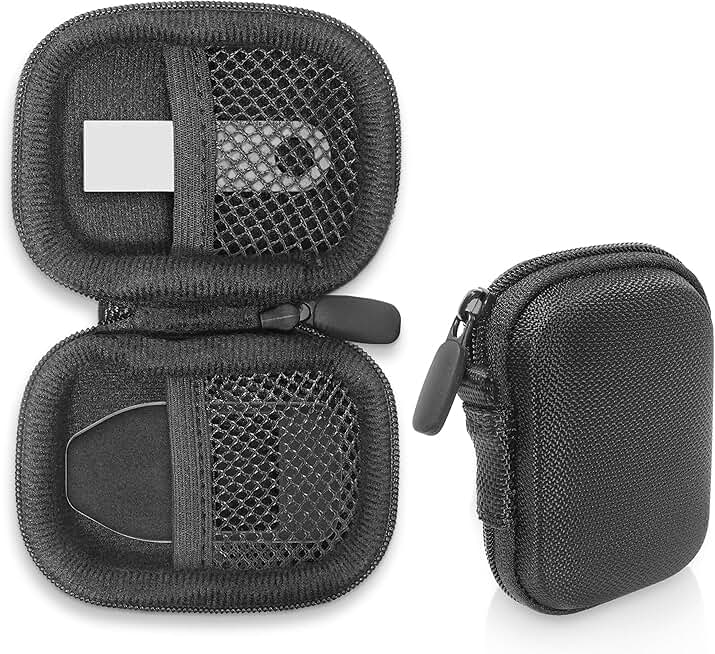
Regardless of which software wallet you choose, connecting a hardware device is non-negotiable for large holdings. Both MetaMask and Rabby support Ledger and Trezor devices, allowing you to sign transactions offline. This separation ensures that even if your computer is infected with malware, your private keys remain secure.
When using a hardware wallet, always verify the network and recipient address on the device screen before confirming. This final step adds a physical layer of security that software alone cannot provide. Keep your firmware updated and store your recovery seed in a fireproof, waterproof location.


As an Amazon Associate, we may earn from qualifying purchases.
Analytics platforms for market research
Before you commit capital to a new protocol, you need to verify the numbers behind the hype. Two platforms stand out for this specific job: DeFi Llama and Dune Analytics. They serve different purposes but share one goal—giving you a clear view of on-chain reality.
DeFi Llama is the fastest way to check Total Value Locked (TVL) and revenue across hundreds of protocols. It aggregates data from dozens of blockchain sources, providing a neutral, permissionless view of where money is flowing. You can quickly see if a protocol’s growth is organic or artificially inflated by incentive programs. It’s the first stop for verifying if a project has real economic activity.
Dune Analytics offers deeper, query-level access to blockchain data. While DeFi Llama gives you the summary, Dune lets you read the source code of the market. Users build dashboards that track specific wallet behaviors, token flows, and transaction volumes. This level of granularity is essential for due diligence, allowing you to spot unusual activity or verify a protocol’s claimed user base.
Use DeFi Llama for a broad, high-level overview of the market landscape. Switch to Dune when you need to investigate specific transactions or verify complex economic models. Combining both tools ensures you aren’t relying on a single data source or a potentially biased dashboard.
These platforms are free to start with, making them accessible for both newcomers and seasoned researchers. By cross-referencing their data, you build a more accurate picture of risk and opportunity than relying on any single source.
See your entire portfolio in one place
Tracking crypto across five or six different chains is like trying to balance a checkbook while juggling. You might know your ETH balance on Arbitrum, but where did that USDC go after the swap? Without a unified view, your net worth is fragmented, and you’re left guessing at your actual exposure.
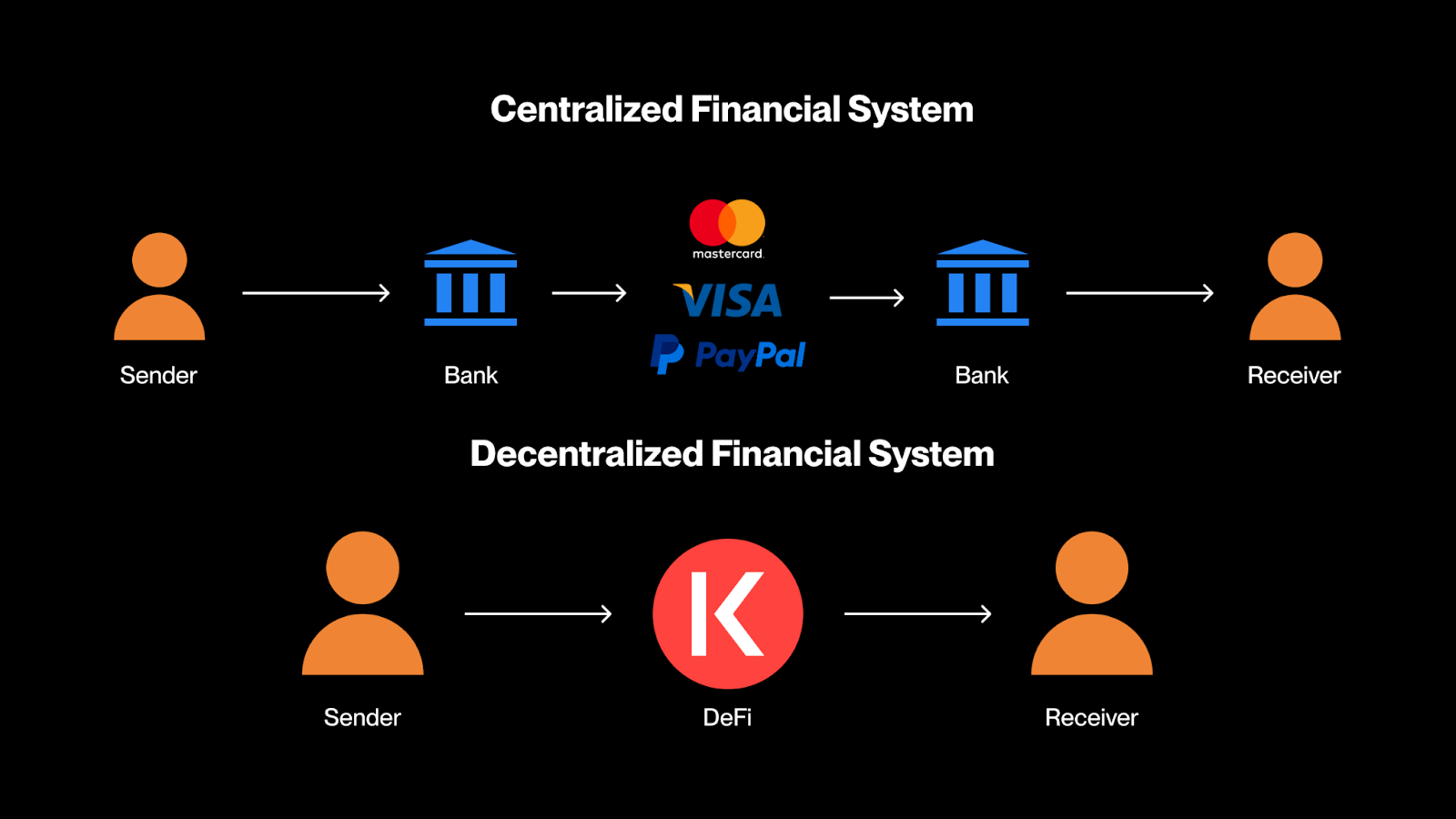
Portfolio trackers solve this by aggregating on-chain data into a single dashboard. Tools like Kubera and De.Fi act as the central nervous system for your assets. They connect to your wallets, read the ledger across supported networks, and sum it all up. This gives you a single source of truth for your net worth, performance, and asset allocation.
Kubera focuses on breadth. It supports not just crypto, but also NFTs and real-world assets, making it a strong choice if your wealth is diversified beyond tokens. De.Fi, on the other hand, leans into the technical side of DeFi. It offers real-time yield tracking and integrates security audits, helping you see not just what you own, but the risk profile of the protocols you’re using.
Using these tools turns scattered data points into a coherent strategy. You stop chasing receipts and start managing risk. Whether you are rebalancing or just checking your PnL, having a unified view saves hours of manual cross-referencing every week.
| Tool | Primary Focus | Multi-Chain Support |
|---|---|---|
| Kubera | All-in-one net worth | Yes |
| De.Fi | DeFi yield & security | Yes |
Building a resilient DeFi research workflow
A resilient DeFi research workflow acts as your primary defense against volatility and smart contract risk. Instead of relying on scattered tabs and unverified tips, you assemble a personal stack that combines wallet security, real-time analytics, and portfolio tracking. This approach ensures you see the full picture before you sign a transaction.
Before you connect to any dApp, verify your wallet's integrity. Use a hardware wallet for significant holdings and check for browser extensions that mimic popular tools. Security is the foundation; without it, analytics and tracking are irrelevant.
Tools like Glassnode or DeFiLlama provide the raw data needed to understand protocol health. Monitor TVL (Total Value Locked) and volume trends to gauge market sentiment. This data helps you avoid protocols that are artificially inflating their metrics.
Aggregators like Koinly or Zapper sync with your wallet to give a unified view of your assets. This prevents the "spreadsheet fatigue" that comes with tracking positions across multiple chains manually. It also highlights tax implications and realized gains in real time.
Before interacting with a new protocol, run its contract address through CertiK Skynet or Etherscan's audit logs. Look for recent vulnerabilities or unverified source code. This step is non-negotiable for high-stakes DeFi interactions.
By combining these four layers, you create a workflow that is both efficient and secure. You move from blind participation to informed strategy, reducing exposure to common DeFi pitfalls like rug pulls or impermanent loss surprises.
No comments yet. Be the first to share your thoughts!