What is DeFi streaming?
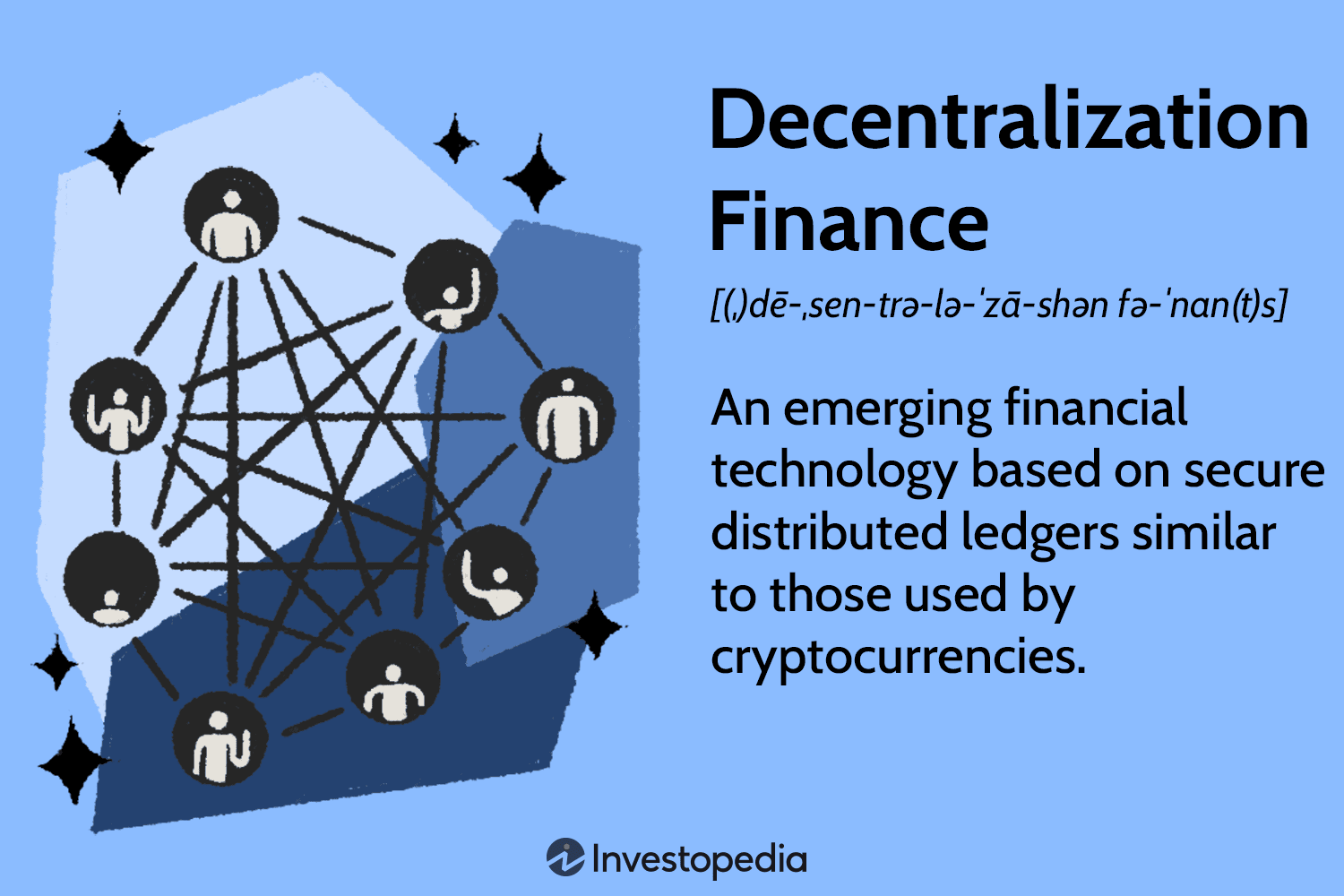
DeFi streaming transforms how money moves by treating payments as a continuous flow rather than a series of discrete transfers. In traditional crypto transactions, sending funds is like mailing a check: you initiate a batch, wait for network confirmation, and the full amount arrives at once. DeFi streaming changes this mechanic. It allows assets to be released second-by-second, similar to how a faucet drips water or how an hourly salary accumulates over time.
This infrastructure relies on smart contracts that lock funds and release them proportionally to the time elapsed. The result is a radical shift in liquidity management. Instead of paying a developer $1,000 upfront or waiting a month for a paycheck, you can pay them exactly $1,000 per month, released at a rate of roughly $0.001 per second. This granularity eliminates the need for large escrow deposits and reduces counterparty risk, as payment is directly tied to work performed in real-time.
The primary utility of DeFi streaming lies in its ability to align incentives between payers and recipients. For freelancers and remote workers, it provides immediate access to earned funds without the friction of traditional banking rails. For businesses, it offers precise control over cash flow, ensuring that capital is only deployed as value is delivered. As noted by Ethereum.org, the ability to "stream money around the globe" is one of the distinct advantages of decentralized finance, enabling seamless cross-border transactions that bypass the delays of conventional wire transfers Ethereum.org.
To understand the market context for these streaming protocols, it helps to look at the underlying asset often used for these flows: Ethereum (ETH). Its price volatility and network activity directly impact the efficiency and cost of streaming services.
Stripe’s analysis of decentralized finance highlights that understanding how these assets move is critical before engaging with the space Stripe. DeFi streaming is not just a novelty; it is a foundational shift in financial infrastructure that prioritizes precision, transparency, and immediate settlement over the batched, delayed model of the past.
The technical stack behind streaming
Streaming crypto isn't just a software feature; it's a fundamental shift in how value moves across the blockchain. To make continuous, second-by-second payouts feasible, the underlying infrastructure needs to handle high-frequency transactions without breaking the bank. The standard Ethereum mainnet is often too slow and expensive for this level of granularity, which is why the modern DeFi stack relies on a specific combination of Layer 2 scaling solutions, reliable oracles, and optimized smart contracts.
Layer 2 scaling and low gas fees
The most critical component of any streaming infrastructure is the settlement layer. Streaming involves thousands or even millions of micro-transactions occurring in real-time. If each of these updates required a full mainnet transaction, the gas fees would quickly exceed the value being streamed. Layer 2 (L2) solutions solve this by processing transactions off-chain and then posting compressed data back to the mainnet. This dramatically reduces the cost per transaction, making it economically viable to stream even small amounts of cryptocurrency.
Without L2s, the friction of high gas fees would make streaming impractical for most use cases, from salary payments to content creator royalties. The efficiency of these networks allows for the "always-on" nature of streaming finance, where value flows continuously rather than in discrete, batched intervals.
The role of oracles and smart contracts
Streaming protocols don't just move money; they calculate it. Oracles play a vital role by providing real-time price data for volatile assets. If you are streaming a stablecoin pegged to the US dollar but funded by ETH, the oracle ensures the exchange rate is accurate at every second of the stream. This prevents arbitrage opportunities and ensures both parties receive the correct value.
Smart contracts then execute the logic. Instead of waiting for a monthly invoice, the contract continuously adjusts the balance based on time and price data. This automation removes the need for intermediaries, reducing counterparty risk and administrative overhead. The combination of cheap L2 execution, real-time oracle data, and deterministic smart contracts creates a robust environment for streaming finance.
DeFi adoption metrics and protocol growth
The shift from speculative trading to actual infrastructure usage is visible in the current DeFi landscape. In 2026, streaming-specific protocols are capturing significant market share by solving the liquidity inefficiencies that plagued earlier generations of decentralized finance. These platforms are no longer just niche experiments; they are processing real-world payroll, subscription, and settlement flows.
To understand the scale, it helps to look at the underlying liquidity. Stablecoins remain the primary vehicle for these streams, providing the stability required for continuous value transfer. The following widget shows the current market context for USDC, a dominant asset in DeFi streaming.
Streaming protocol comparison
Not all streaming protocols are built the same. The market is currently divided between general-purpose lending platforms that added streaming features and native streaming-first architectures. The table below compares the top contenders based on Total Value Locked (TVL), supported chains, and active user metrics.
| Protocol | TVL (Est.) | Chains | Primary Use Case |
|---|---|---|---|
| Superfluid | $450M | Ethereum, Polygon, Arbitrum | Payroll & Subscriptions |
| Streamflow | $120M | Arbitrum, Optimism | Creator Economy & NFTs |
| Radiant | $1.2B | Arbitrum, BSC, zkSync | Cross-chain Liquidity |
| Clearpool | $850M | Ethereum, Optimism | Institutional Lending |
Superfluid remains the technical standard for on-chain streaming, handling the bulk of high-frequency micro-transactions. Streamflow has carved out a strong position in the creator economy, while Radiant and Clearpool focus more on institutional-grade liquidity and lending, though they support streaming capabilities. This fragmentation means users must choose the protocol that aligns with their specific chain and use case.
Essential tools for builders
Building a DeFi streaming application requires more than just smart contracts; it demands a stack that handles real-time data, secure key management, and reliable execution. The infrastructure for DeFi stream crypto has matured significantly, shifting from experimental codebases to robust, production-grade services. Builders need tools that minimize latency while maintaining the non-custodial ethos of the protocol.
Reliable Oracles and Data Feeds
Streaming payments rely on accurate, real-time price data to trigger liquidations or adjust positions. Chainlink remains the standard for decentralized oracle networks, providing tamper-proof data feeds that are essential for any financial application. Without reliable oracles, a streaming payment contract cannot accurately value the underlying assets being transferred over time.
Secure Key Management
For any service handling user funds, key management is the most critical security layer. Hardware wallets are no longer just for long-term holding; they are essential for signing transactions in a secure environment. Using a hardware wallet ensures that private keys never touch the internet-connected device running your application logic, drastically reducing the attack surface for potential exploits.
Development Frameworks
The choice of development framework dictates how quickly you can prototype and deploy. Hardhat and Foundry are the two dominant tools in the Ethereum ecosystem. Hardhat offers a JavaScript-based environment that is familiar to many web developers, while Foundry provides a Rust-based, high-performance alternative that is gaining traction for its speed and testing capabilities. Both support the complex testing scenarios required for streaming financial instruments.


As an Amazon Associate, we may earn from qualifying purchases.
Testing and Simulation
Before deploying to mainnet, rigorous testing is non-negotiable. Tools like Tenderly allow developers to simulate transactions and inspect state changes in real-time. This capability is particularly valuable for streaming contracts, where the state changes continuously. Simulating edge cases, such as sudden price crashes or network congestion, helps ensure the contract behaves predictably under stress.
Network Infrastructure
Finally, interacting with the blockchain requires reliable RPC nodes. Services like Alchemy, Infura, and QuickNode provide the backend infrastructure needed to send and receive transactions without running your own nodes. For high-frequency streaming applications, the latency and uptime of these providers directly impact the user experience. Choosing a provider with global edge nodes can significantly reduce the time it takes for a payment stream to update.
Risk management and security
Streaming crypto payments move assets in continuous, millisecond-by-millisecond flows rather than discrete transactions. This architecture introduces unique attack vectors. If the underlying smart contract has a bug, or if the oracle feeding price data fails, the financial damage compounds instantly. You cannot simply "undo" a stream once it has executed. Mitigating these risks requires a rigorous, layered security approach.
Standard audits often miss the nuances of time-based execution. You need specialized security firms that understand continuous flow logic. They must verify that the contract correctly handles edge cases like sudden liquidity drops or network congestion without freezing funds.

Streaming payments often rely on real-time price feeds to determine payout rates. If a single oracle fails or is manipulated, the stream can overpay or underpay. Use redundant oracle networks (like Chainlink) to ensure that price data remains accurate and tamper-resistant even if one node goes offline.
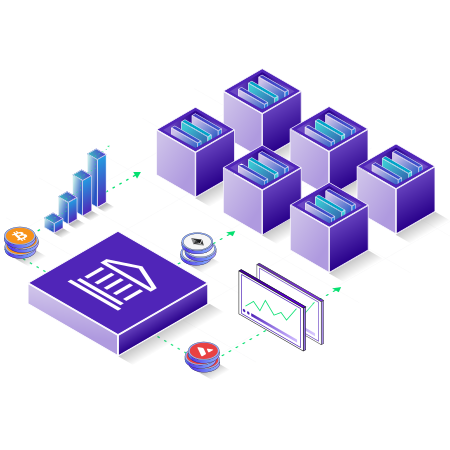
Include a "circuit breaker" or pause function in your smart contract. This allows authorized administrators to halt the stream immediately if suspicious activity is detected. While this pauses revenue, it prevents the total loss of funds during a critical security event.
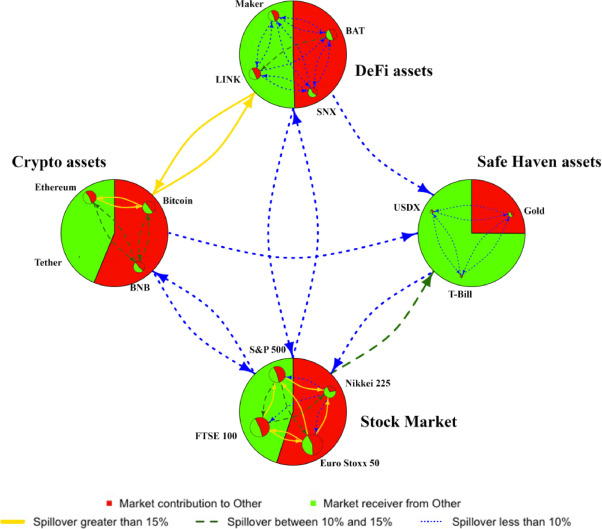
Beyond standard code reviews, use formal verification tools to mathematically prove the correctness of your streaming logic. This ensures that the contract behaves exactly as specified under all possible conditions, eliminating entire classes of bugs before deployment.
Security is not a one-time check. It is an ongoing process. As new vulnerabilities are discovered in the Ethereum ecosystem, your streaming infrastructure must adapt. Regular monitoring and rapid response protocols are essential to protect user funds and maintain trust in the system.
No comments yet. Be the first to share your thoughts!