Set up your crypto wallet
Start by choosing a non-custodial wallet. This software acts as your personal gateway to the DeFi ecosystem, giving you full control over your private keys. Unlike a centralized exchange where a company holds your funds, a non-custodial wallet means you are your own bank. This distinction is critical for security and autonomy in DeFi.
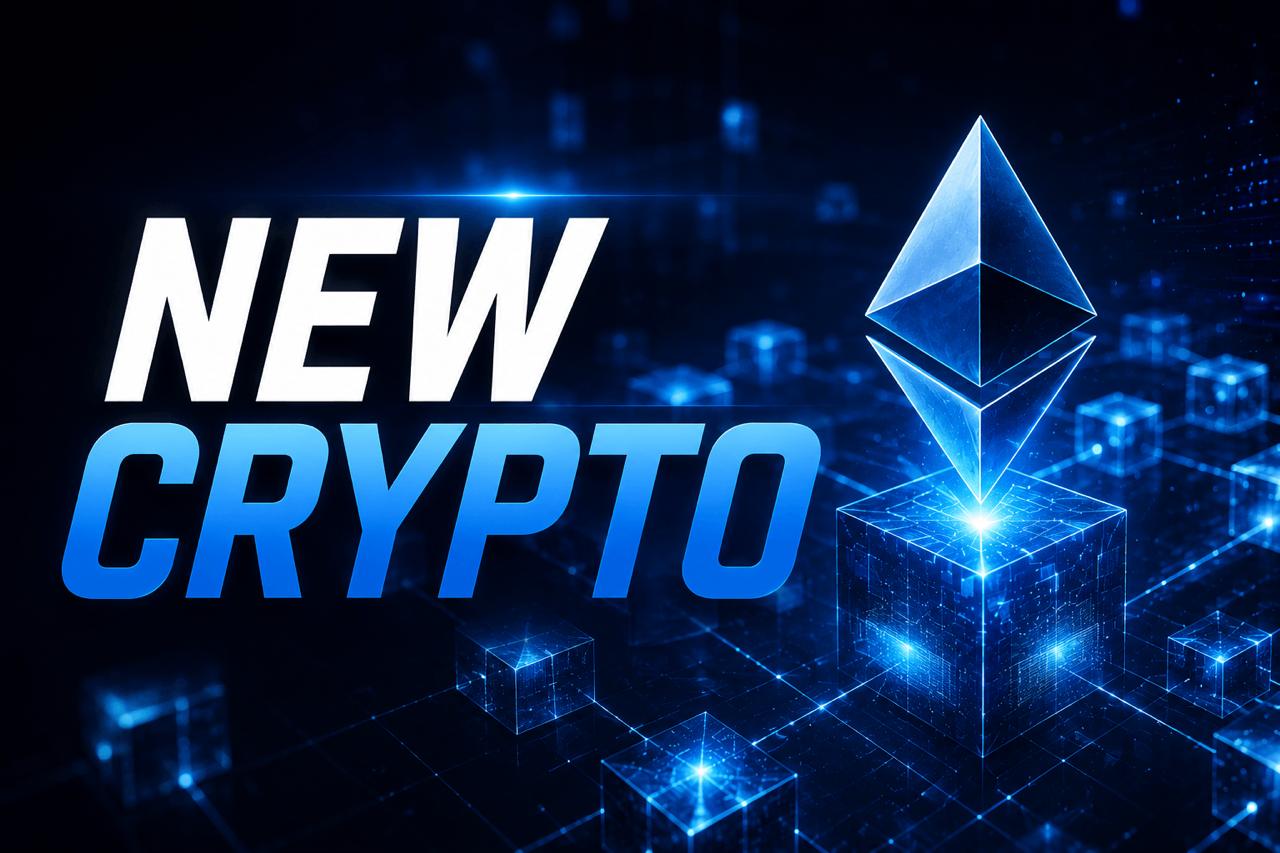
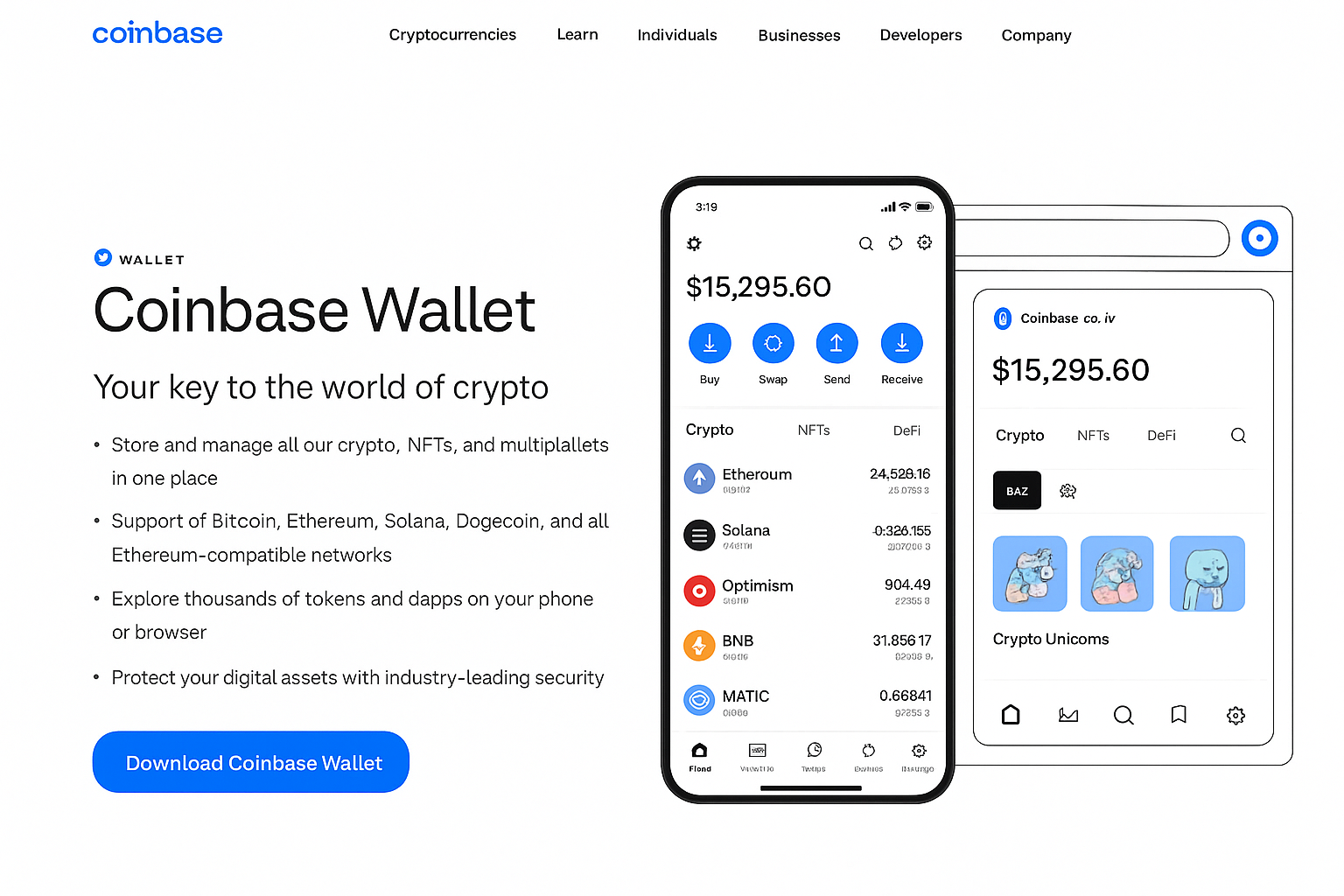
Research established wallets like MetaMask, Rabby, or Phantom. These providers are widely used in the DeFi space and offer robust security features. Avoid lesser-known wallets with poor track records or limited community support. Check the official Ethereum.org page on DeFi tools for verified recommendations.

Download the wallet from the official website or app store. For browser use, install the extension directly from the Chrome Web Store or Mozilla Add-ons. Never download wallets from third-party links or pop-ups. Verify the publisher name matches the official developer.

When you first open the wallet, select "Create a new wallet." The app will generate a 12 or 24-word seed phrase. Write these words down in order on paper. Do not save them digitally, in photos, or in cloud notes. This phrase is the only way to recover your funds if you lose access to your device.
Create a unique, complex password for the wallet application. If available, enable biometric authentication (fingerprint or face ID) for quick and secure access on mobile devices. This adds a layer of protection against unauthorized access if your device is lost or stolen.

Open the wallet and check that your public address is displayed correctly. You can send a small test amount of cryptocurrency to this address to confirm it works. Once verified, you are ready to connect to DeFi protocols.
With your wallet set up and secured, you have the essential tool needed to interact with DeFi protocols. Always double-check contract addresses and network selections before making transactions to avoid sending funds to the wrong place.
Fund your wallet with stablecoins
Before you can earn yield on DeFi Stream Crypto, you need capital in your wallet. The safest entry point is stablecoins like USDC or USDT. These tokens are pegged to the US dollar, meaning they don’t swing wildly like Bitcoin or Ethereum. This stability protects your principal while you learn how lending protocols work.
Start by buying USDC or USDT on a regulated exchange like Coinbase or Kraken. These platforms comply with US regulations, offering a layer of safety for your initial funds. Avoid obscure offshore exchanges that lack clear oversight or audit trails.
Transfer the stablecoins from the exchange to your personal wallet. Use the official withdrawal function on the exchange and paste your wallet’s public address. Double-check the network (e.g., Ethereum, Solana, or Polygon) to ensure both platforms support the same chain.

Wait for the blockchain confirmation. You can track the transaction using a block explorer like Etherscan if you’re on Ethereum. Once the balance appears in your wallet, you are ready to connect to a DeFi protocol.
Once your stablecoins are in your wallet, you can proceed to connect to a lending protocol. Remember, DeFi is experimental. Never deposit more than you can afford to lose. As Stripe notes, understanding how assets move and how protocols manage risk is essential before you start experimenting.
Connect to a DeFi protocol
DeFi Stream Crypto works best as a clear sequence: define the constraint, compare the realistic options, test the tradeoff, and choose the path with the fewest hidden costs. That order keeps the advice usable instead of decorative. After each step, pause long enough to check whether the recommendation still fits the reader's actual situation. If it depends on perfect timing, unusual access, or a best-case budget, include a simpler fallback.

Choose a yield strategy
DeFi Stream Crypto works best as a clear sequence: define the constraint, compare the realistic options, test the tradeoff, and choose the path with the fewest hidden costs. That order keeps the advice usable instead of decorative. After each step, pause long enough to check whether the recommendation still fits the reader's actual situation. If it depends on perfect timing, unusual access, or a best-case budget, include a simpler fallback.
| Factor | What to check | Why it matters |
|---|---|---|
| Fit | Match the option to the primary use case. | A good deal still fails if it does not fit the job. |
| Condition | Verify age, wear, and service history. | Hidden condition issues erase upfront savings. |
| Cost | Compare purchase price with likely upkeep. | The cheapest option is not always the lowest-cost option. |
Common DeFi mistakes to avoid
DeFi stream crypto offers high yields, but the learning curve is steep. Before you move funds, you need to understand how assets move and how lending protocols manage risk [src-serp-5]. Ignoring these mechanics is the fastest way to lose capital.
Phishing and fake sites
Most losses come from clicking the wrong link, not from the protocol itself. Always verify URLs through official channels. Bookmark the correct dApp address and never trust a link sent via DM or email. Treat every transaction as a test of your security hygiene.
Smart contract risk
Code is law, and code has bugs. Even reputable protocols can be exploited. Audit reports are not guarantees; they are snapshots of a specific moment. Diversify your exposure across multiple protocols so one failure doesn’t wipe out your entire position.
Impermanent loss
Liquidity providers often see their portfolio value drop compared to simply holding the assets. This happens when the price ratio of the paired tokens changes. If you are not comfortable with this volatility, stick to single-asset staking or simple lending.
Security checklist
Before deploying capital, run through this list:
-
Verify the dApp URL via official social channels
-
Check the latest audit report date and findings
-
Confirm the contract address on-chain
-
Use a hardware wallet for large amounts
-
Review tax implications for your jurisdiction [src-serp-6]
Withdraw your funds safely
Exiting a DeFi position is as critical as entering one. Smart contracts don't always process withdrawals instantly, and network congestion can leave your funds locked or exposed to slippage. To move your crypto back to a secure wallet or fiat-ready state, follow this sequence to ensure you retain ownership and avoid unnecessary fees.
Before initiating any transfer, verify that your assets are not subject to a vesting schedule or liquidity lock. Many DeFi protocols require tokens to remain staked for a specific duration. Attempting to withdraw early may trigger penalties or result in a total loss of principal. Check the protocol's documentation or dashboard for any active lock periods.
Withdrawals require transaction fees paid to the blockchain network, not the DeFi protocol itself. High gas periods can erode your returns, especially on Ethereum. Additionally, if you are swapping tokens to withdraw, set a reasonable slippage tolerance. Too low, and the transaction fails; too high, and you receive significantly fewer funds than expected. Use a block explorer to check current gas prices before acting.
Navigate to the "Withdraw" or "Claim" section of the DeFi platform. Double-check the destination address. If you are moving funds to a hardware wallet or exchange, ensure the network (e.g., ERC-20, TRC-20) matches exactly. Confirm the amount and review the estimated fees. Once you approve the transaction, broadcast it to the network and wait for confirmation.
After the transaction confirms, check your destination wallet to ensure the funds arrived. Do not leave significant amounts in DeFi protocols longer than necessary. Once verified, consider moving your assets to a cold storage solution or a regulated exchange if you plan to convert to fiat. This reduces exposure to smart contract risks and platform insolvency.
Frequently asked: what to check next
Helpful gear
Use these product recommendations as a starting point, then choose the size, material, and price point that fit how you actually use the gear.


As an Amazon Associate, we may earn from qualifying purchases.
No comments yet. Be the first to share your thoughts!