DeFi infrastructure under scrutiny
DeFi has matured from a speculative experiment into a critical layer of financial infrastructure, but the Stream Finance incident exposed the fragility of that foundation. The protocol, which allowed users to earn yield on stablecoins and other crypto assets, suffered a $93 million loss that sent shockwaves through the ecosystem. This was not an isolated event but a stress test that revealed how interconnected and opaque yield generation can be.
The fallout extended far beyond Stream’s own balance sheet. Analysts mapped $285 million in potential exposure across DeFi as Stream’s synthetic tokens (xUSD, xBTC, and xETH) had been rehypothecated—used as collateral or invested elsewhere—by major lending protocols like Euler, Silo, and Morpho. When Stream’s assets lost value, the contagion effect threatened to destabilize these larger platforms, demonstrating how a single point of failure can ripple through the entire DeFi landscape.
This incident highlights the urgent need for transparency and rigorous risk management in yield generation. Investors must look beyond advertised returns and understand the underlying mechanics of how their assets are deployed. The Stream debacle serves as a case study for the industry: without clear visibility into asset flows and counterparty risks, even the most popular DeFi protocols remain vulnerable to systemic shocks.
Tracking real-time DeFi metrics
In high-stakes DeFi analysis, relying on outdated screenshots or delayed summaries is a liability. The infrastructure layer moves fast, and your data sources must move with it. You need live, provider-backed widgets that pull directly from the blockchain or major exchanges to ensure you are seeing the actual market state, not a cached version of it.
Start with price action. A live price widget gives you immediate context on the asset you are analyzing. Whether you are tracking a major DeFi index like DEFI or the underlying settlement layer like ETH, seeing the current price and 24-hour volume helps you gauge market sentiment before diving into technicals.
Once you have the price context, you need to visualize the trend. Static charts are useless for active monitoring because they don't reflect the current volatility. Use a provider-backed technical chart to see real-time candlesticks, volume spikes, and momentum indicators. This allows you to spot breakouts or breakdowns as they happen, rather than after the fact.
Combining these tools creates a reliable feedback loop. The price widget tells you where the asset is now, and the technical chart shows you how it got there. This combination reduces the risk of acting on stale data, which is critical when managing capital in decentralized finance protocols.
Essential DeFi Stream Crypto Tools
Analyzing DeFi Stream Crypto requires a stack that balances security with real-time data. You cannot manage high-stakes liquidity positions effectively without the right hardware and software. This section covers the concrete tools needed to track streams, secure assets, and verify on-chain activity.
Hardware Wallets
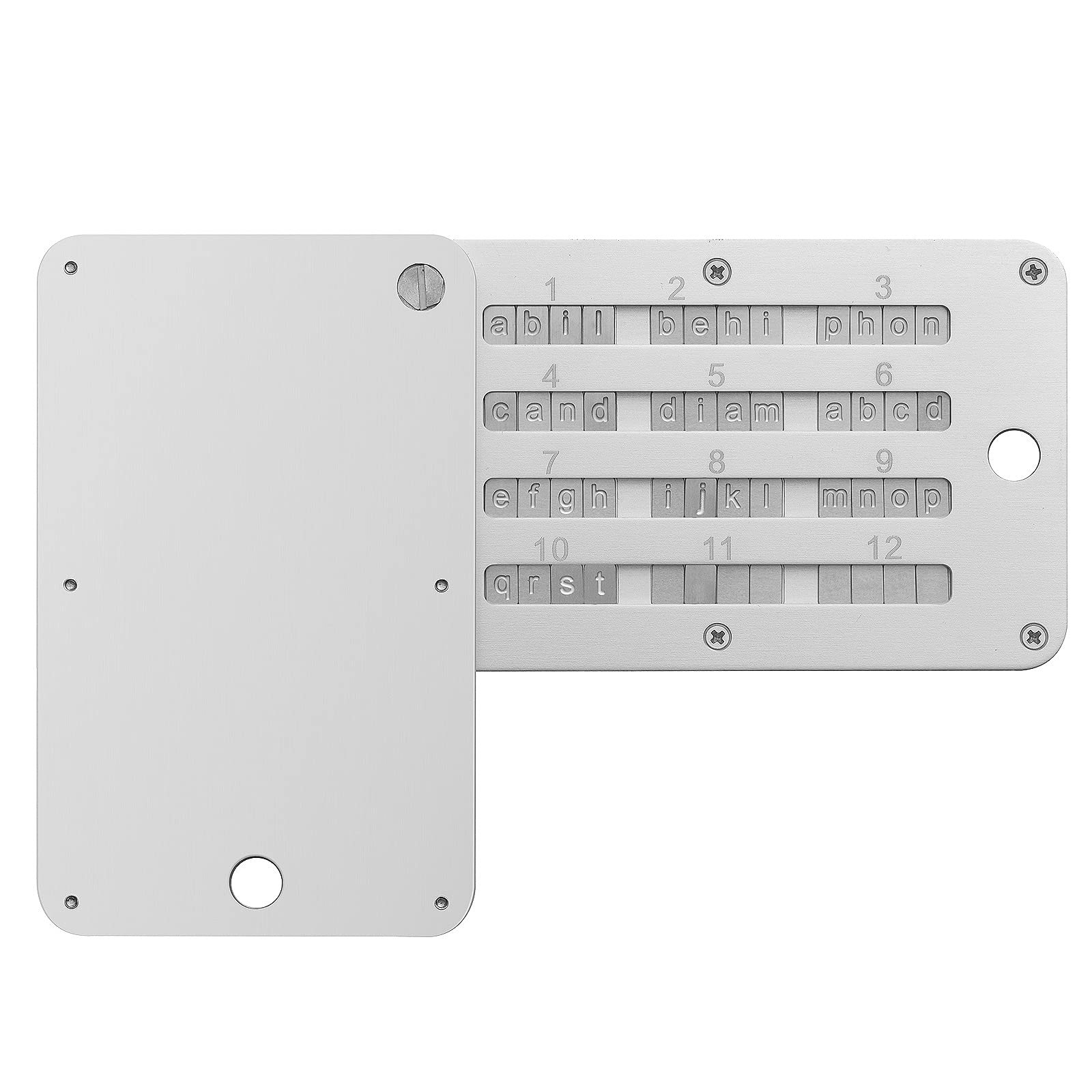
Security is the first step in any DeFi workflow. If your private keys are compromised, no amount of analysis can save your capital. Use a hardware wallet to sign transactions offline, keeping your assets isolated from internet-connected devices.


As an Amazon Associate, we may earn from qualifying purchases.
Analytics and Research Software
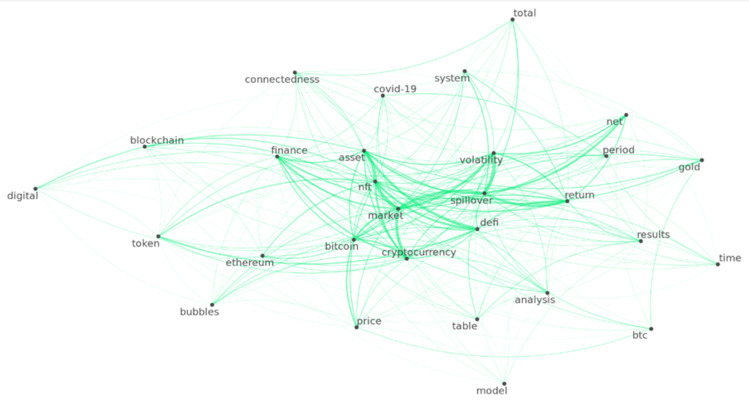
To monitor DeFi Stream Crypto flows, you need platforms that aggregate on-chain data. These tools visualize liquidity pools, token movements, and protocol revenues. They turn raw blockchain data into actionable insights.
| Platform | Primary Focus | Pricing Model |
|---|---|---|
| Dune Analytics | Custom SQL queries & dashboards | Free tier available |
| Nansen | Smart money tracking | Subscription required |
| DeFi Llama | TVL & yield aggregation | Free |
Reference Materials
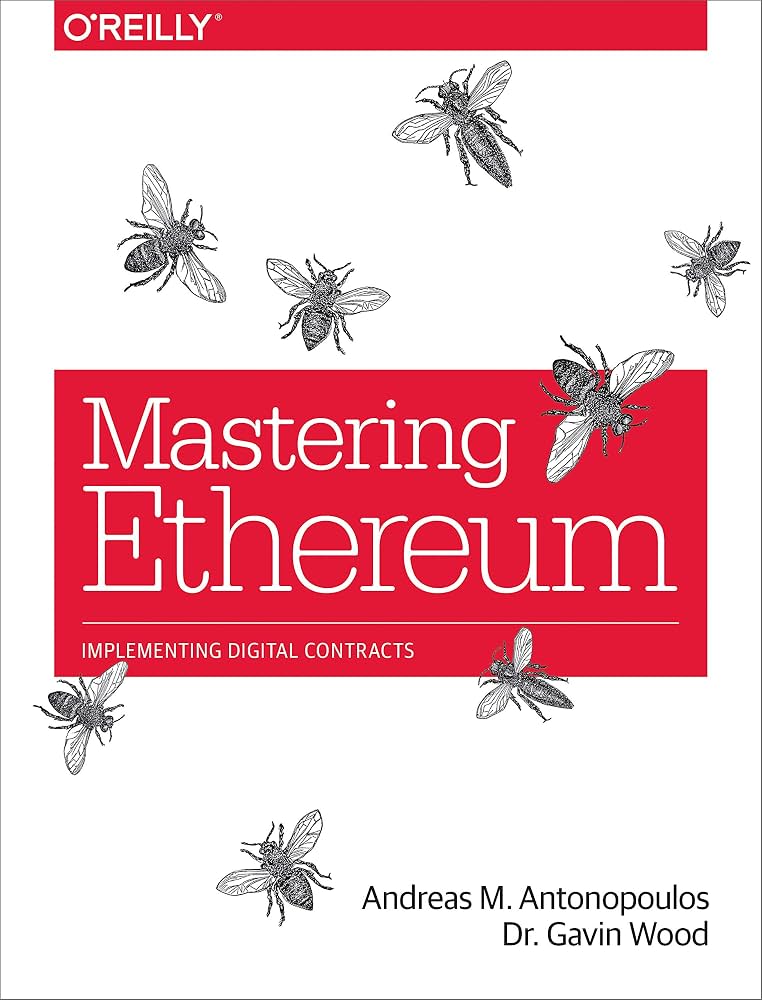
Understanding the underlying mechanics of streaming finance requires more than just watching charts. Books and guides provide the foundational knowledge needed to evaluate protocol risks and tokenomics.

As an Amazon Associate, we may earn from qualifying purchases.
Note: Always verify the authenticity of software downloads. Use official channels and check cryptographic signatures before installing any analytics tool or wallet firmware.
Building a data-driven DeFi strategy
DeFi moves fast, but your strategy shouldn't rely on guesswork. Building a sustainable position requires treating protocol selection like due diligence rather than speculation. You need to verify the underlying infrastructure before committing capital.
Start by checking the official documentation and audit reports. Look for transparency in team identities and smart contract verification on block explorers. If a protocol lacks clear governance structures or recent audits, treat it as a high-risk asset.
Diversification is your primary defense. Don't concentrate your holdings in a single protocol, even if it offers high yields. Spread your exposure across established layers and asset types to mitigate the impact of any single point of failure.
Monitor protocol health metrics continuously. Track Total Value Locked (TVL) trends and on-chain activity. Sudden drops in TVL or unusual transaction patterns often signal emerging risks before they become public news.
The Stream Finance loss of $93 million serves as a stark reminder of how quickly vulnerabilities can cascade through the ecosystem. Learning from that event means prioritizing verified security over hype.
Use official sources to validate every claim. Relying on social media hype instead of data leads to preventable losses. Stick to verified market trends and prioritize user safety.
Common defi investment: what to check next
Investors often turn to DeFi for higher yields and autonomous control, but the sector carries distinct risks compared to traditional finance. Below are answers to frequently asked questions about market viability, specific project developments, and asset classification.
Is DeFi crypto a good investment?
DeFi offers high-yield opportunities through lending and liquidity provision, but it requires a higher risk tolerance than traditional markets. The sector is unregulated and prone to smart contract vulnerabilities, meaning capital loss is a tangible risk. Investors should treat DeFi as a high-volatility asset class and allocate only capital they can afford to lose.
What happened to Stream Finance?
Stream Finance faced significant operational challenges, with approximately $160 million in deposits and assets deployed across its ecosystem. The team is currently in the process of identifying and verifying potential creditors and claimants to address the shortfall. Investors should monitor official channels for updates on any potential recovery or resolution plans.
Is XRP part of DeFi?
XRP is primarily a settlement layer for cross-border payments rather than a native DeFi asset. While it can be used in decentralized applications on compatible networks, it does not function like Ethereum-based tokens that power smart contracts for lending or trading. Its role is more aligned with traditional financial infrastructure than core DeFi utility.
Does DeFi have a future?
Decentralized finance is evolving from experimental protocols into integrated financial infrastructure. As blockchain technology matures, DeFi is expected to offer greater interoperability and regulatory compliance. The focus is shifting toward sustainable yield models and institutional-grade security, suggesting a long-term role alongside traditional banking systems.
No comments yet. Be the first to share your thoughts!