Defi stream crypto analysis: what to look for in 2026
The collapse of Stream Finance in late 2025 serves as a critical case study for DeFi stream crypto analysis. When the stablecoin issuer lost $93 million and froze redemptions for its xUSD token, the event triggered a severe devaluation of over 73% in a single day. This incident highlighted the fragility of yield-bearing stablecoins and the ripple effects they can have on the broader DeFi ecosystem.
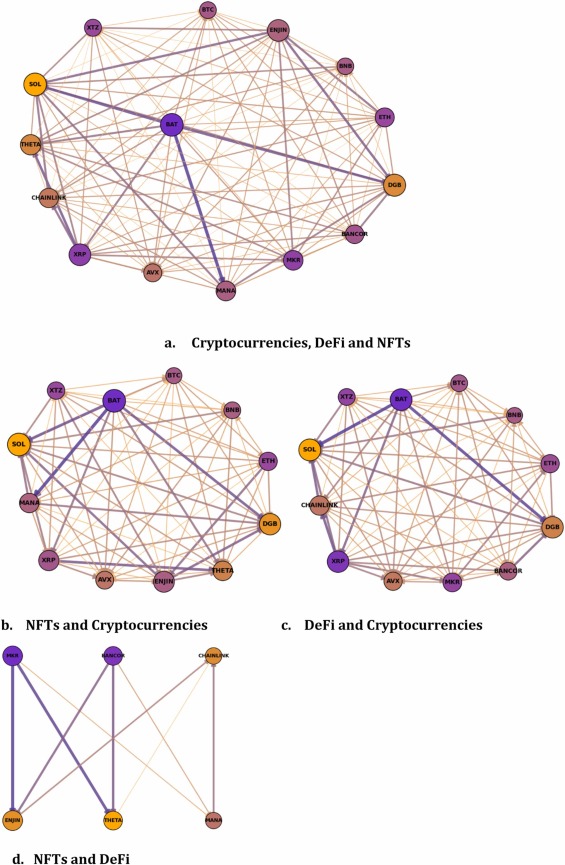
Analyzing DeFi projects requires looking beyond headline yields to the underlying infrastructure. Recent empirical research indicates that DeFi tokens exhibit strong dependence on the broader cryptocurrency market, meaning their returns are significantly influenced by macro trends rather than just protocol-specific utility. This correlation suggests that stream crypto analysis must account for external market pressures that can quickly erode perceived stability.
For investors, the primary takeaway is that high-yield streams often carry hidden liquidity risks. The Stream Finance debacle was not an isolated event but a symptom of broader structural vulnerabilities in DeFi lending and stablecoin mechanisms. Understanding these mechanics is essential for navigating the 2026 market landscape, where infrastructure resilience is just as important as yield potential.
Defi stream crypto analysis choices that change the plan
Evaluating DeFi stream crypto analysis tradeoffs requires looking beyond yield percentages. The sector is defined by a fundamental tension: the pursuit of high returns against the reality of smart contract risk and liquidity constraints. Recent events, such as the Stream Finance collapse where $93 million was lost, highlight that yield is never free; it is a premium paid for bearing specific risks.
When analyzing options, you must weigh liquidity against security. High-yield protocols often lock assets or rely on complex, untested mechanisms. Lower-yield, established protocols offer more stability but may not meet aggressive growth targets. The tradeoff is rarely binary; it involves matching the protocol's risk profile to your investment horizon.
| Factor | High-Yield Protocols | Established Protocols |
|---|---|---|
| Returns | Potentially 10%+ APY | Often 1-5% APY |
| Risk Level | High (Smart contract/Impermanent loss) | Moderate (Market volatility) |
| Liquidity | Often restricted or volatile | High (Deep order books) |
| Transparency | Variable (Complex code) | High (Audited, visible TVL) |
The choice depends on your use case. For short-term speculation, high-yield stream tokens offer volatility but carry the risk of total loss, as seen with xUSD. For long-term infrastructure exposure, established protocols provide a safer entry point, though returns are modest. Always prioritize protocols with transparent audits and deep liquidity pools.
Market sentiment plays a significant role in these tradeoffs. DeFi tokens exhibit strong dependence on the broader cryptocurrency market, meaning even secure protocols suffer during downturns. Analyzing news sentiment and broader market trends is essential for timing entries and exits.
Ultimately, the best strategy balances yield with survivability. Diversifying across different risk tiers helps mitigate the impact of any single protocol failure. Always verify the source of yield and ensure you understand the mechanics behind the returns before committing capital.
Choose the next step
DeFi Stream Crypto Analysis works best as a clear sequence: define the constraint, compare the realistic options, test the tradeoff, and choose the path with the fewest hidden costs. That order keeps the advice usable instead of decorative. After each step, pause long enough to check whether the recommendation still fits the reader's actual situation. If it depends on perfect timing, unusual access, or a best-case budget, include a simpler fallback.

Spotting Weak DeFi Infrastructure Claims
Many projects market themselves as essential DeFi infrastructure, but not all protocols offer the same level of security or utility. When evaluating stream-based crypto models or lending platforms, you must look past the marketing copy and examine the underlying mechanics. A protocol’s resilience depends on its audit history, liquidity depth, and transparency, not just its token price performance.
The Stream Finance collapse serves as a stark example of why due diligence matters. On November 3, 2025, Stream Finance reported a loss of approximately $93 million and froze redemptions of its stablecoin, xUSD, causing the token to drop over 73% in a single day. This event rippled through the broader DeFi ecosystem, highlighting how quickly liquidity can vanish when trust erodes. Such incidents remind investors that high yields often come with hidden structural risks.
To avoid weak options, focus on protocols with verified smart contract audits and transparent reserve proofs. Compare the actual utility of each platform—whether it offers genuine lending, borrowing, or trading services—rather than relying on price predictions. Always check if the protocol has survived multiple market cycles and how it handled previous stress events. This practical approach helps separate robust infrastructure from speculative ventures.
Defi stream crypto analysis: what to check next
Before committing capital to decentralized finance protocols, it helps to separate the underlying technology from the specific risks of individual platforms. The recent turmoil surrounding Stream Finance highlights why infrastructure due diligence matters more than token hype.
These questions address the most common points of confusion for new entrants. Understanding the distinction between the asset class and specific platform failures is essential for navigating the current landscape.
No comments yet. Be the first to share your thoughts!