What defines DeFi stream crypto infrastructure
DeFi streaming crypto infrastructure represents a shift from static value transfers to continuous, real-time flows. Traditional blockchain transactions operate like sending a letter: a discrete event that settles once. Streaming protocols transform this into a live pipe, moving value second-by-second. This capability relies on smart contracts that verify and release funds in micro-intervals rather than lump sums.
The core mechanism is simple but powerful. Instead of locking funds in a static balance, streaming protocols hold assets in a contract that calculates owed amounts based on elapsed time. If you subscribe to a service or pay a salary, the money flows as long as the connection holds. This eliminates the need for upfront payments or complex billing cycles.
This infrastructure sits atop existing blockchains like Ethereum, leveraging their security while adding a layer of temporal logic. Projects like Ethereum highlight streaming as a primary use case for decentralized finance, enabling global money movement that adapts to actual usage or time spent. The result is a financial layer where value moves as fluidly as data.
How streaming protocols work
Streaming protocols function by dividing a total payment into tiny, atomic units. A smart contract holds the total amount and releases these units at a predefined rate, such as one token per second. The recipient can withdraw these funds at any moment, but the sender remains liable for the accumulated total until the stream stops or the balance depletes.
This architecture requires precise timekeeping and state management on-chain. Unlike traditional banking systems that batch transactions overnight, streaming protocols update balances in real-time. This reduces counterparty risk, as funds are continuously verified and transferred rather than held in escrow for days or weeks.
The technical implementation varies by protocol, but the underlying principle remains consistent: time equals money. By treating value as a continuous variable rather than a discrete state, streaming infrastructure enables new economic models like pay-per-second bandwidth, real-time freelancing, and dynamic subscription services.
Why streaming matters for DeFi
The ability to stream value unlocks use cases that lump-sum transactions cannot support efficiently. For example, a developer might pay for cloud computing resources by the second, ensuring they only pay for what they actually use. Similarly, salary payments can be streamed to employees, providing immediate access to earned wages without waiting for monthly pay cycles.
This granularity also improves capital efficiency. Funds are not tied up in static balances but are actively circulating and earning value. For lenders, streaming interest rates can adjust in real-time based on market conditions, providing more accurate pricing for borrowers and lenders alike.
As the DeFi ecosystem matures, streaming infrastructure will likely become a standard component of financial applications. Its ability to align payment with value delivery in real-time makes it a natural fit for the dynamic nature of digital assets.
Essential tools for DeFi stream market research
Monitoring DeFi streaming protocols requires more than a standard blockchain explorer. You need specialized data aggregators that can track continuous liquidity flows, real-time yield adjustments, and cross-chain liquidity movements. These tools transform raw on-chain data into actionable intelligence, allowing you to spot emerging yield opportunities before they become crowded.
The landscape includes dedicated streaming protocol dashboards, multi-chain analytics platforms, and specialized liquidity pool trackers. Each serves a distinct purpose in your research workflow. Some excel at visualizing token vesting schedules, while others provide deep dives into impermanent loss calculations for streaming pools.
When selecting software, prioritize platforms that offer low-latency data feeds and support for the specific chains where streaming protocols are most active. Official documentation from the protocol teams remains the primary source for accurate technical specifications and risk parameters.
Comparing Research Platforms
The following table compares key metrics for top DeFi research tools, focusing on data latency, supported chains, and cost structures. This comparison helps you choose the right stack for monitoring stream crypto assets.
| Tool | Data Latency | Supported Chains | Cost |
|---|---|---|---|
| DeFi Llama | ~15 mins | 50+ | Free |
| Dune Analytics | Real-time | 20+ | Freemium |
| Nansen | Real-time | 10+ | Paid |
| Token Terminal | Daily | 15+ | Freemium |
Market Context
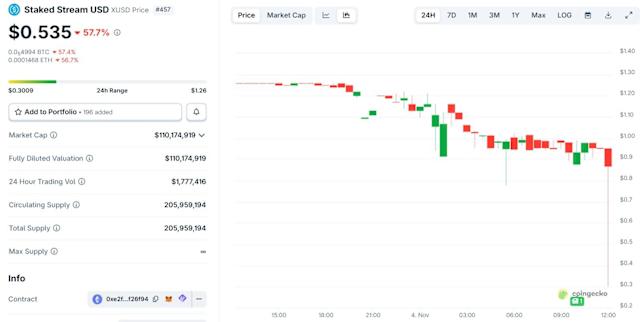
Understanding the broader market environment is essential when evaluating streaming yield opportunities. Use live widgets to track the performance of underlying assets and stablecoins involved in these streams.
Visualizing Stream Data
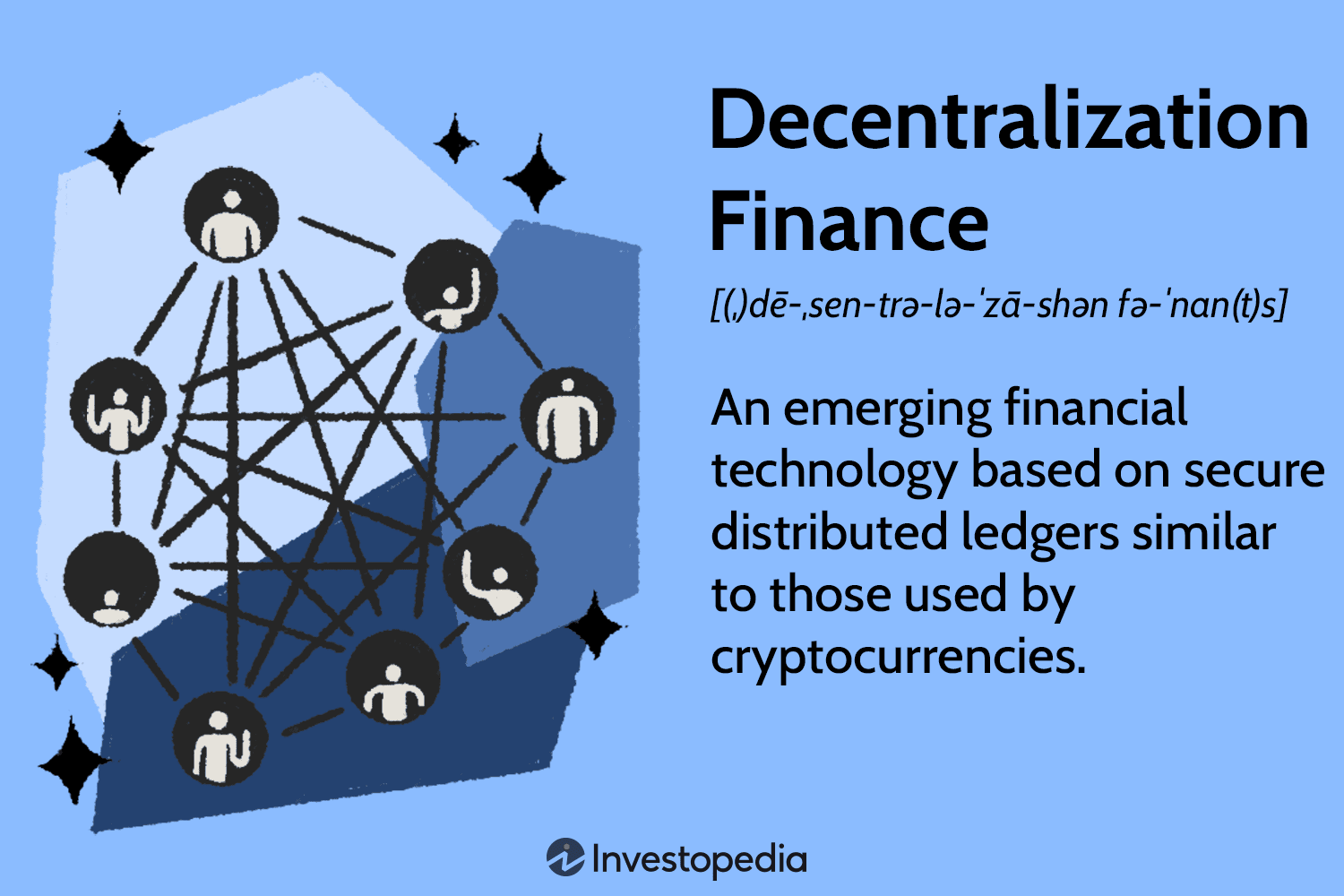
Visual aids can help clarify complex liquidity flows. The following image illustrates how streaming protocols interact with broader DeFi ecosystems, highlighting the importance of privacy and transparency in these systems.

Analyzing DeFi stream crypto market trends
Reading the charts for streaming assets requires a different lens than traditional spot trading. Because these protocols distribute yield or liquidity continuously over time, their market dynamics reflect both speculative interest and the underlying health of the distribution mechanism. You aren't just watching price; you're watching the velocity of capital flow.
Tracking Total Value Locked (TVL) and Volume
Total Value Locked (TVL) remains the primary barometer for protocol confidence, but for streaming assets, it must be analyzed alongside daily volume. A rising TVL with stagnant volume often signals accumulation by long-term holders rather than active trading interest. Conversely, spikes in volume without TVL growth can indicate short-term speculation or arbitrage activity.
Look for divergence. If TVL is climbing while the token price dips, it may suggest that users are locking assets to earn streaming yields, reducing sell pressure. This "lock-up" effect can create a supply shock that supports price stability during broader market downturns.
Monitoring Protocol Health Metrics
Beyond price and volume, protocol health metrics provide early warning signs of stress. For streaming models, key indicators include the sustainability of the emission rate relative to revenue generation and the ratio of locked versus circulating supply.
A healthy protocol generates enough real-world utility or revenue to support its streaming obligations without relying solely on new capital inflows. If the emission rate outpaces sustainable growth, the token becomes inflationary, diluting holder value. Always cross-reference these metrics with official protocol documentation to ensure you're interpreting the data correctly.
Hardware wallets for secure DeFi streaming
Streaming crypto assets means your private keys are exposed to the network more frequently than in traditional trading. Every transaction requires a signature, and doing this daily or hourly increases the attack surface for malware and phishing attempts. A hardware wallet keeps those keys offline, ensuring that even if your computer is compromised, the funds remain secure.
Think of your hardware wallet as a physical vault for your digital signatures. It signs transactions locally and only broadcasts the signed data to the blockchain. This separation is critical for DeFi streamers who need to maintain constant liquidity without sacrificing custody. Major providers like Ledger and Trezor offer devices that support Ethereum and other EVM-compatible chains, which are the backbone of most streaming protocols.
When selecting a device, prioritize those with open-source firmware and strong community audits. Look for features like passphrase support, which adds an extra layer of security by hiding a secondary wallet. Avoid wallets that rely on proprietary, closed-source software for critical functions. The goal is to minimize trust in the manufacturer while maximizing control over your assets.



As an Amazon Associate, we may earn from qualifying purchases.
Building a DeFi stream crypto strategy
Streaming assets like ETH or stablecoins through protocols such as Superfluid or Radicle requires a disciplined framework. Without clear rules, continuous payouts can drain liquidity faster than expected or expose you to smart contract vulnerabilities. You need a structured approach that balances operational efficiency with strict risk controls.
Start by defining your core parameters. Determine the exact tokens, rates, and recipients for each stream. Document these settings in a secure, offline location before deploying any smart contracts. This baseline prevents configuration errors that are difficult to reverse once transactions are live.

Before deploying, audit the underlying protocol. Check for recent security reports, bug bounties, or known vulnerabilities. Use official documentation to understand the contract’s limitations and upgradeability mechanisms. Never rely on unverified third-party reviews for high-stakes deployments.
Streaming creates continuous exposure. Set up real-time alerts for wallet balances, gas price spikes, and protocol health. Tools like DeFi Saver or custom scripts can pause streams if liquidity drops below a safe threshold. This prevents accidental overdrafts or failed transactions during network congestion.
Cap the total value of active streams relative to your portfolio. A common rule is to limit streaming exposure to 5-10% of total liquid assets. This ensures that a single protocol failure or market crash doesn’t wipe out your entire position. Rebalance manually if market conditions shift dramatically.
Always run a pilot phase. Deploy small streams to verify recipient addresses, token decimals, and gas optimization. Confirm that the recipient can receive and manage the streamed assets correctly. Only scale up after confirming the entire workflow functions as intended.
Risk management is not optional; it is the foundation of sustainable DeFi streaming. Use a TechnicalChart to monitor the volatility of the streamed assets. If an asset shows extreme price swings, consider hedging with stablecoins or reducing the stream rate. Continuous exposure to volatile tokens without a hedge is a fast track to significant losses.
Finally, maintain a clear exit strategy. Define the conditions under which you will terminate streams, whether due to protocol upgrades, market crashes, or personal liquidity needs. Document these triggers in advance so you can act decisively without emotional hesitation. Regular reviews of your streaming setup ensure it remains aligned with your broader financial goals.
Is DeFi legal in the US?
DeFi is not illegal in the United States. There are currently no federal restrictions that prohibit individuals from using decentralized finance protocols, holding crypto wallets, or interacting with smart contracts. You can legally access these tools without a traditional bank account.
However, the regulatory environment is complex and evolving. While the technology itself is accessible, the activities surrounding it—such as launching a token or operating a centralized exchange—are heavily scrutinized by agencies like the SEC and CFTC. The government focuses on how these tools are used rather than banning the underlying code.
The primary risk is not illegality, but lack of consumer protection. As noted by the DC Department of Consumer and Regulatory Affairs, "Anyone can have a crypto wallet or use a smart contract," but this accessibility does not mean safety. Do your homework and understand the technology before committing funds.
No comments yet. Be the first to share your thoughts!