DeFi stream crypto explained
DeFi stream crypto refers to the continuous, second-by-second transfer of digital assets rather than traditional lump-sum transactions. In the current DeFi ecosystem, smart contracts enable users to send money at a specific rate per second. This means you can pay for services, distribute salaries, or allocate funds in real time, matching the flow of value exactly to the flow of time.
This capability relies on Ethereum and similar blockchain infrastructure. As noted by Ethereum.org, DeFi allows you to "stream money around the globe" using decentralized protocols. Instead of waiting for a bank to process a wire transfer, the funds move instantly as the smart contract executes. This foundational shift transforms crypto from a static store of value into a dynamic utility for ongoing financial operations.
The technical basis for this is the smart contract itself. These self-executing agreements hold the funds and release them incrementally based on predefined conditions. This eliminates the need for intermediaries and reduces the friction associated with traditional financial systems. By leveraging the transparency and immutability of the blockchain, streaming crypto provides a more efficient way to manage liquidity and payments.
To understand the scale of this infrastructure, it helps to look at the underlying asset driving most DeFi activity: Ethereum. The network's ability to handle complex smart contracts makes it the primary layer for streaming services.
Tokenized assets bring real-world infrastructure to DeFi streams
The narrative around DeFi is shifting. While early streams were often driven by speculative token emissions, the sector is increasingly anchored by tokenized real-world assets (RWAs). This transition marks a move from pure speculation to infrastructure-backed yield, where the underlying value comes from tangible assets like real estate, treasury bills, or supply chain invoices.
By linking blockchain liquidity to physical or traditional financial assets, DeFi streams can offer more stable, predictable returns. Instead of relying solely on new user adoption to sustain yields, these protocols generate cash flow from real economic activity. This structure aligns better with institutional standards and reduces the volatility often associated with pure crypto-native models.
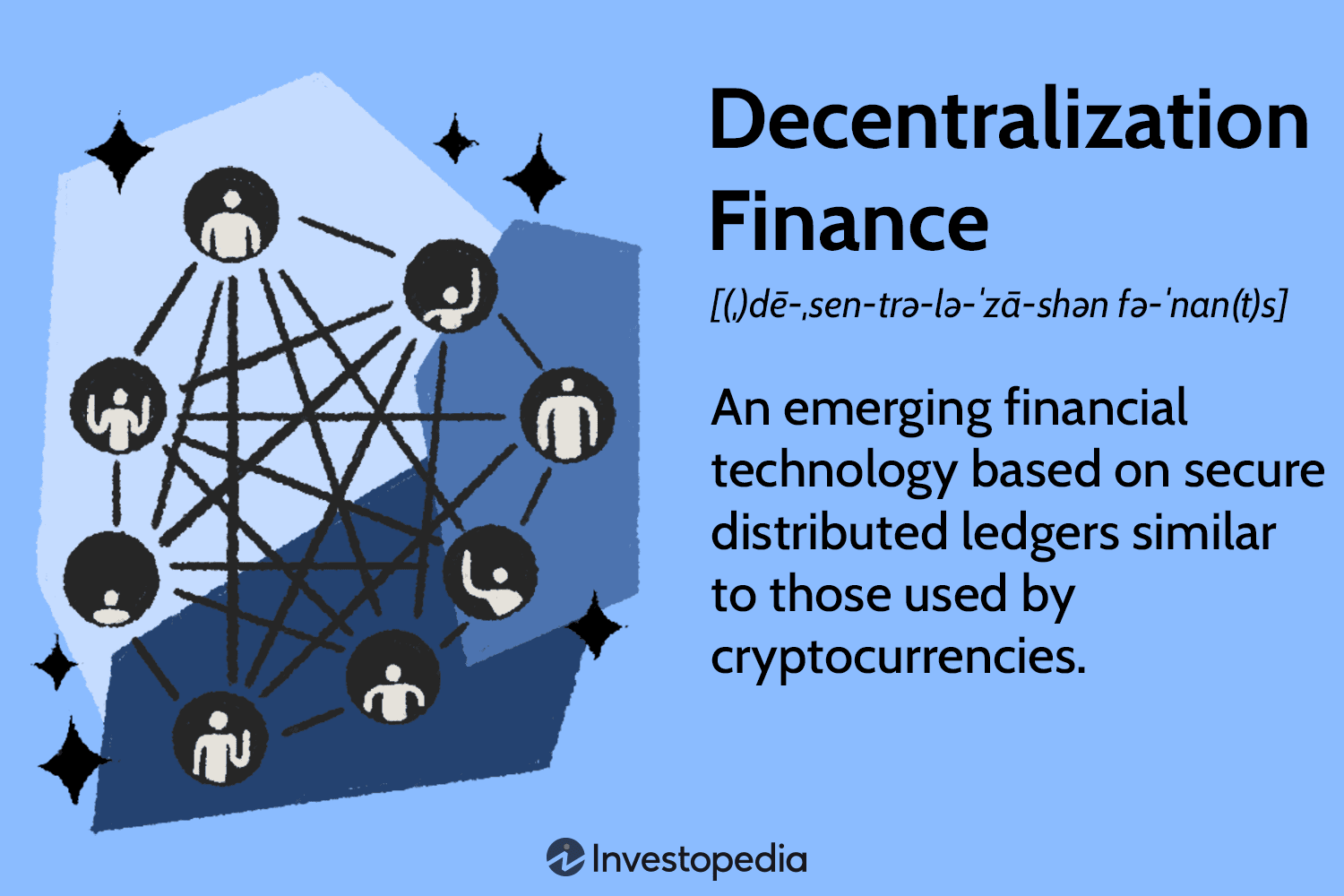
Investopedia defines DeFi as a blockchain-based form of finance conducted without relying on traditional intermediaries. When you combine this with tokenized RWAs, you create a system where peer-to-peer lending and trading are supported by hard assets. This hybrid approach allows for greater transparency and auditability, as the underlying collateral is often verifiable on-chain or through trusted oracles.
The integration of these assets also opens up new use cases for DeFi streams. For example, a stream could represent fractional ownership in a commercial property, with rental income distributed automatically to token holders. This not only diversifies the yield sources but also attracts a broader range of investors who are looking for exposure to traditional asset classes within the crypto ecosystem.

Stripe’s guide to decentralized finance highlights how DeFi powers lending, trading, and payments by removing middlemen. When applied to RWAs, this efficiency is amplified. The cost of verifying and transferring ownership of real-world assets is significantly lower on-chain than through traditional legal and banking channels. This efficiency gain is a core driver for the adoption of tokenized infrastructure in 2026.
However, this shift also introduces new risks. The reliance on off-chain assets means that legal and regulatory frameworks become critical. If the underlying asset is seized or the legal structure fails, the token’s value can collapse. Therefore, due diligence on the legal wrappers and custodial arrangements is just as important as analyzing the smart contract code.
The Australian Taxation Office notes that DeFi involves peer-to-peer transactions without financial intermediaries. In the context of RWAs, this means that tax obligations and legal liabilities can be complex. Investors need to understand how the tokenization of an asset affects its classification and reporting requirements in their jurisdiction.
Ultimately, the move toward tokenized real-world assets represents a maturation of the DeFi space. It bridges the gap between the high-speed, programmable nature of crypto and the stability of traditional finance. For those following DeFi stream crypto trends, this infrastructure layer is becoming the foundation for sustainable, long-term growth.
Compare yield strategies: risk vs. reward
DeFi streaming yields aren't one-size-fits-all. They range from low-volatility lending to high-volatility liquid staking. Each strategy has distinct trade-offs between safety, liquidity, and return. Understanding these differences helps you choose the right approach for your risk tolerance in 2026.
Lending protocols offer predictable, though often lower, returns by providing liquidity to borrowers. Liquid staking derivatives (LSDs) allow you to earn staking rewards while keeping your assets tradable, but they introduce smart contract and slashing risks. Real-world asset (RWA) streams are gaining traction by tokenizing traditional finance yields, offering a bridge between crypto and legacy markets.
The table below breaks down the key metrics for these three primary DeFi streaming categories. Use this as a starting point for evaluating which strategy aligns with your goals.
| Strategy | Risk Level | Liquidity | Typical APY Range |
|---|---|---|---|
| Lending Protocols | Low to Medium | High | 3% - 8% |
| Liquid Staking (LSDs) | Medium | Medium | 4% - 7% |
| Real-World Assets (RWA) | Medium to High | Low to Medium | 5% - 12% |
Lending protocols are generally the safest entry point for beginners. You deposit stablecoins or major cryptocurrencies, and borrowers pay interest on those loans. The risk comes from borrower default or protocol bugs, but established platforms have robust insurance funds. Liquidity is usually high, meaning you can withdraw your funds relatively quickly, though some protocols may have withdrawal queues during high stress.
Liquid staking involves depositing ETH or other proof-of-stake tokens into a staking derivative protocol. You receive a tokenized receipt (like stETH) that represents your staked assets plus accrued rewards. This allows you to use your staked assets in other DeFi applications, effectively "streaming" yield while maintaining exposure. The risk here is twofold: smart contract risk and the potential for "slashing" if the validator node behaves maliciously. APYs tend to track network staking rates, which can fluctuate based on network activity.
RWA streams represent a newer frontier, where traditional assets like treasury bills or real estate are tokenized on-chain. These streams often offer higher yields because they tap into traditional finance returns. However, they carry higher counterparty risk—you're relying on the legal and operational integrity of the off-chain issuer. Liquidity can be lower, as these assets may not trade as actively as pure crypto pairs. Always verify the legal structure and custodial arrangements before allocating significant capital.
Managing high-stakes risks in DeFi
Decentralized finance moves fast, but that speed comes with real dangers. Unlike traditional banking, there is no customer service line to call if a transaction goes wrong. You are your own bank, which means you are also responsible for securing your assets against a range of technical and regulatory threats.
Smart contract vulnerabilities are the most immediate risk. These are the automated programs that manage your funds on the blockchain. If the code has a bug, hackers can exploit it to drain liquidity pools. Always check if a protocol has been audited by reputable firms before depositing funds. Ethereum.org provides clear guidance on how to verify contract security and recognize red flags in code.
Impermanent loss is another hidden cost, especially if you are providing liquidity to trading pairs. It occurs when the price of your deposited assets changes compared to when you deposited them. While you earn trading fees, the value of your assets might be lower than if you had just held them in a wallet. This is particularly relevant for volatile DeFi tokens.
Regulatory uncertainty adds another layer of complexity. Governments are still figuring out how to classify and tax DeFi activities. The Australian Taxation Office, for example, treats crypto transactions as capital gains events, meaning you owe tax on profits. Staying informed about your local regulations is essential to avoid unexpected legal or financial penalties.
To navigate these risks, start small. Use well-known, open-source projects that have stood the test of time. Diversify your holdings across different wallets to limit exposure. And never invest more than you can afford to lose, as the DeFi landscape remains highly unpredictable.
Getting started safely
DeFi streaming moves money in real time, which means mistakes are permanent. There is no customer support to reverse a transaction. To protect your capital, follow this safety checklist before connecting to any protocol.

Use a non-custodial wallet like MetaMask or Rabby. These tools give you full control over your private keys. Avoid using your main exchange accounts for streaming, as they are custodial and often restrict DeFi interactions. Keep your seed phrase offline and never share it.
Always confirm the smart contract address on the official project website or Ethereum.org. Phishing sites often mimic popular DeFi streams with lookalike URLs. Copy-paste the address from a trusted source rather than clicking links in emails or social media.
Send a minimal amount (e.g., $5–$10) to verify the stream works as expected. Check that the recipient receives the funds incrementally. Once confirmed, you can proceed with larger amounts. This step prevents costly errors from misconfigured stream parameters.
DeFi protocols require token approvals to manage streams. Revoke unnecessary permissions using tools like Revoke.cash. Never approve "unlimited" spending for unfamiliar contracts. Limit approvals to the exact amount needed for your stream duration.
Common defi: what to check next
DeFi moves fast, and it’s normal to have questions before you start. Here are answers to the most common queries from beginners.
Is DeFi safe for beginners?
Safety depends on your choices. Stick to open-source, well-known projects with long track records to avoid faulty code or hacks Ethereum.org. If you explore newer protocols, use separate wallets to limit exposure.
What are the top DeFi tokens?
The leading tokens include Ethereum (ETH), Chainlink (LINK), Uniswap (UNI), and Aave (AAVE). These powers drive most decentralized lending, borrowing, and trading activity today.
What crypto to invest $1000 in right now?
A balanced approach might allocate $500 to Bitcoin, $250 to Ethereum, $100 to XRP, and $50 to Solana. The remaining $100 can cover speculative picks or fees. Always research before buying.
No comments yet. Be the first to share your thoughts!