The Stream Finance collapse explained
The collapse of Stream Finance in early 2024 marked a significant turning point for the decentralized finance (DeFi) ecosystem, exposing vulnerabilities that extended far beyond a single protocol. The stablecoin issuer reported a staggering $93 million loss, a figure that immediately triggered a wave of uncertainty across the broader crypto market. This wasn't just a technical glitch or a simple smart contract exploit; it was a systemic failure rooted in opaque off-chain activities and complex, hard-to-trace strategies.
S&P Global Ratings highlighted that Stream Finance relied on structures that lacked the transparency typical of on-chain DeFi protocols. By operating outside the immediate visibility of blockchain explorers, the project introduced hidden risks that traditional due diligence couldn't easily detect. When the losses were revealed, the ripple effect was immediate. Counterparties and users holding Stream's stablecoins faced sudden liquidity crunches, forcing a rapid reassessment of risk across the industry.
The incident serves as a stark reminder of the contagion risks inherent in interconnected financial systems. As S&P Global noted, the collapse highlighted how off-chain vulnerabilities can quickly translate into on-chain crises, affecting even protocols that weren't directly involved. The market's reaction was swift, with investors fleeing to safer assets and questioning the robustness of other DeFi platforms that relied on similar opaque structures.
To understand the scale of the impact, it is useful to look at the broader market context during this period. The loss of confidence contributed to increased volatility in major cryptocurrencies, reflecting the fragile trust that underpins the DeFi sector.
The aftermath of the Stream Finance collapse forced regulators and industry participants to reconsider the boundaries between traditional finance and decentralized systems. The lack of clear regulatory oversight in many jurisdictions allowed such opaque structures to persist until a critical failure occurred. This event has since become a case study in the importance of transparency and the dangers of relying on complex, off-chain mechanisms in a space that prides itself on openness.
How one failure drained DeFi liquidity
The collapse of Stream Finance did not happen in a vacuum. When the protocol lost $93 million, the damage spread instantly through the interconnected web of DeFi streams. This wasn't just a single project failing; it was a liquidity contagion event that exposed the fragile counterparty risks built into decentralized finance.
DeFi protocols often share liquidity pools and rely on overlapping collateral. When Stream Finance’s assets froze or were liquidated, the sudden withdrawal of liquidity forced other protocols to tighten their terms or face insolvency. Lenders who had deposited funds into Stream, expecting steady yields, found their capital locked or devalued. This created a domino effect, where fear of further losses triggered mass exits from related platforms, draining the broader market of available capital.
The incident highlighted a critical vulnerability: the lack of transparency in cross-protocol exposures. Many users did not realize their funds were indirectly tied to Stream’s risky strategies. As the shockwave rippled out, it became clear that the "trustless" nature of DeFi does not eliminate counterparty risk—it often obscures it until it is too late.
The following chart illustrates the volatility and downward pressure on the STREAM token and related DeFi indices following the initial news, reflecting the market's reaction to this liquidity shock.
This event serves as a stark reminder that in DeFi, liquidity is not just a metric; it is the lifeblood of the ecosystem. When one vein clogs, the entire body feels the strain. Understanding these interconnections is essential for navigating the high-stakes world of decentralized finance.
Infrastructure risks in stream finance
The collapse of Stream Finance wasn't just a market event; it was a structural failure rooted in opacity. As S&P Global Ratings noted in their post-mortem analysis, the protocol relied on complex, sometimes opaque strategies and off-chain activities that introduced significant vulnerabilities [[src-serp-2]]. These elements, often invisible to casual observers, created a fragile foundation that couldn't withstand the pressure of a volatile market.
Stream Finance's model depended on off-chain activities that lacked the transparency inherent to pure on-chain DeFi protocols. This separation between on-chain assets and off-chain operations meant that risk was obscured, making it difficult for investors to assess the true health of the platform. The lack of visibility into these activities meant that when stress hit, there was no clear line of sight into where the losses were accumulating.
The broader DeFi ecosystem has long been warned about these contagion risks. Stream's failure highlights how interconnected and opaque strategies can amplify losses across the market. Investors looking at similar structures need to scrutinize not just the yield, but the underlying infrastructure and the clarity of the operational model.
To understand the scale of the disruption, it helps to look at the market reaction. The following chart illustrates the broader market volatility during the period surrounding the collapse, reflecting the loss of confidence in opaque DeFi structures.
The price widget below tracks the current sentiment and liquidity in the asset class, showing how quickly capital can flee when trust in infrastructure erodes.
How to Evaluate Stream Finance Risk
When assessing a stream-based protocol like Stream Finance, you need to look beyond the headline yield. The 2024 collapse highlighted that liquidity can vanish in seconds, so your risk assessment must rely on real-time data rather than static whitepapers. Tools like DefiLlama provide the transparency needed to see what is actually happening on-chain.
Start by monitoring Total Value Locked (TVL) trends. A sudden drop in TVL often precedes a liquidity crisis. Use DefiLlama to track Stream Finance’s TVL over time, looking for stability rather than just growth. If the TVL is declining while yields remain artificially high, it is a warning sign that sophisticated users are exiting.
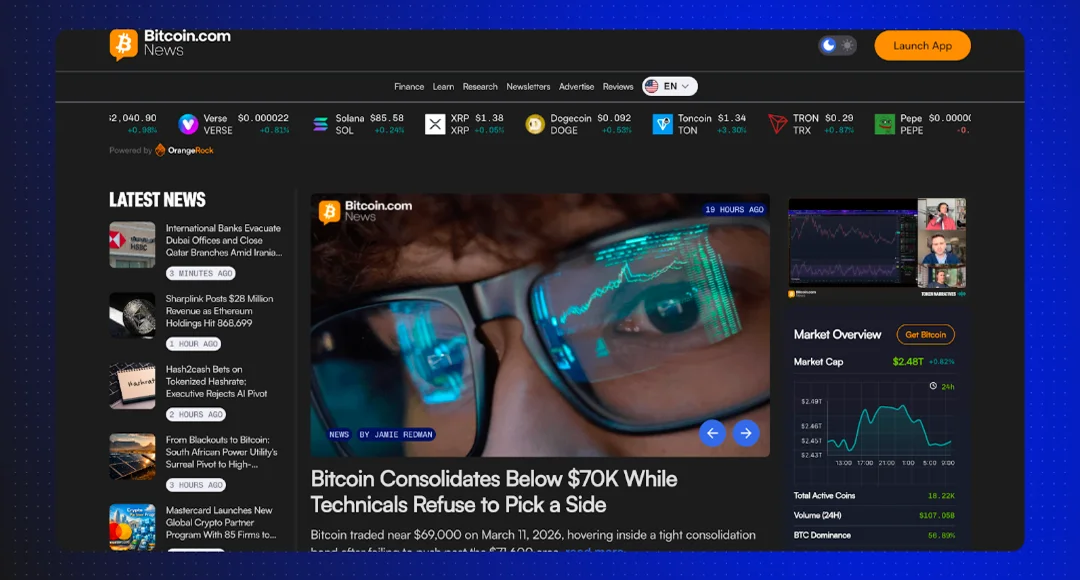
You should also track the underlying asset’s price action. Stream Finance is tied to the STREAM token, so its volatility directly impacts the protocol’s solvency. Use the widget below to monitor STREAM’s current price and recent trends. If the token is crashing, the protocol’s delta-neutral strategies may be failing to hedge risk effectively.
Finally, check the protocol’s audit history and smart contract interactions. Look for recent upgrades or changes to the core logic. If the code has been modified frequently without clear reasons, it may indicate instability. Always verify that the protocol’s TVL matches the value locked in the verified contracts on block explorers.
2026 infrastructure trends and outlook
The $93 million loss at Stream Finance was not just a project failure; it was a stress test for the entire DeFi infrastructure. As S&P Global noted, the collapse highlighted how complex, opaque strategies and off-chain activities can introduce systemic vulnerabilities. The 2026 outlook for DeFi is defined by a shift away from this opacity toward verifiable transparency and stricter regulatory alignment.
Infrastructure providers are now prioritizing on-chain auditability to prevent contagion. Protocols that rely on off-chain data or complex, unverified leverage mechanisms are facing higher scrutiny from both users and regulators. The trend is moving toward "compliance-by-design," where transparency is baked into the protocol's architecture rather than added as an afterthought. This means real-time proof of reserves and clearer disclosure of off-chain liabilities.
Market volatility remains a constant, but the infrastructure layer is becoming more resilient. The following chart shows the recent price action for Bitcoin, reflecting the broader market's reaction to these structural shifts in DeFi risk management.
Looking ahead, the infrastructure that survives will be the one that can prove its solvency without relying on trust. Regulatory bodies are increasingly demanding this level of clarity, making transparency a competitive advantage rather than just a compliance checkbox. The era of "move fast and break things" is giving way to "verify first and build sustainably."
Is DeFi legal in India and other regions?
DeFi operates in a regulatory gray area across much of the world, but the stakes are highest in jurisdictions like India where official caution is explicit. The Reserve Bank of India (RBI) has repeatedly cautioned users, holders, and traders about the economic, financial, and security risks associated with crypto assets. While DeFi itself is not currently regulated or banned, the lack of consumer protection frameworks leaves investors exposed to the kind of losses seen in the Stream Finance collapse.
In contrast, major markets like the United States and the European Union are moving toward structured oversight. The U.S. Securities and Exchange Commission (SEC) continues to pursue enforcement actions against unregistered securities, while the EU’s Markets in Crypto-Assets (MiCA) regulation provides a clearer, albeit complex, compliance path. This divergence creates a fragmented landscape where protocol developers must navigate conflicting legal standards.
Helpful gear
Use these product recommendations as a starting point, then choose the size, material, and price point that fit how you actually use the gear.


As an Amazon Associate, we may earn from qualifying purchases.
No comments yet. Be the first to share your thoughts!