What DeFi Stream Crypto Actually Means
DeFi stream crypto refers to the continuous, real-time data feeds generated by decentralized finance protocols. Unlike traditional market analysis, which often relies on end-of-day snapshots or delayed historical data, streaming infrastructure provides a live pulse on liquidity, volume, and protocol health. This distinction is critical for high-frequency trading and risk management, where milliseconds matter and static charts quickly become obsolete.
The Ethereum ecosystem, described by ethereum.org as an open financial system for the internet age, generates this data through smart contracts. These contracts emit events that feed into aggregators and analytics platforms, creating a transparent, immutable record of transactions as they happen. This transparency replaces the opaque order books of traditional finance with on-chain visibility.
However, this real-time nature introduces unique risks. The Congressional Research Service notes that DeFi environments are built on complex building blocks, including cryptocurrencies and smart contracts, which can fail or be exploited. When collateral values drop, the streaming data reflects these shifts instantly, triggering liquidations and market unwinds in real time. Understanding this flow is not just about reading numbers; it is about understanding the mechanics of a system that never sleeps.
To visualize this volatility, we can look at the current market conditions of a major asset often used as collateral in these streams.
The $93 Million Ripple Effect
The collapse of Stream Finance serves as a stark case study in DeFi infrastructure fragility. When the protocol disclosed a $93 million loss, it didn't just wipe out its own balance sheet; it triggered a freeze on its stablecoin, xUSD, and sent shockwaves through the broader ecosystem S&P Global. This wasn't an isolated incident of poor management, but a systemic failure that exposed how interconnected DeFi lending platforms truly are.
The contagion spread rapidly. Within 24 hours, the freeze on xUSD redemptions forced counterparties to unwind leveraged positions, driving down collateral values across major lending protocols. This dynamic illustrates a critical risk in DeFi: the assumption that stablecoins are always liquid. When one anchor slips, the entire structure can destabilize, turning a single protocol's failure into a market-wide liquidity crisis.
Market observers noted that while collateral values dropped in line with broader crypto price declines, the forced unwinding amplified the damage. The event highlighted the dangers of opaque yield generation and the lack of transparency in how these platforms manage risk. For investors, the Stream Finance debacle is a reminder that high yields often come with hidden structural risks that can vanish overnight.
Compare DeFi Data Infrastructure Tools
Choosing the right data provider depends on your specific use case: real-time trading, historical backtesting, or long-term portfolio tracking. DeFi streams operate differently than traditional finance feeds, requiring infrastructure that handles high-frequency blockchain events and complex smart contract interactions.
The table below compares three leading infrastructure options based on latency, data coverage, and cost structure. These metrics reflect current market standards for professional-grade DeFi analytics.
| Provider | Latency | Coverage | Cost |
|---|---|---|---|
| The Graph | ~15s | Multi-chain indexed | Free tier + usage fees |
| Dune Analytics | Minutes-Hours | SQL-based dashboards | Free tier + credits |
| Nansen | Real-time | Wallet labeling + flows | Subscription only |
For high-frequency trading strategies, low-latency indexed data is essential. The Graph provides near real-time access to on-chain events across multiple chains, making it a standard for developers building trading bots or automated strategies. Its indexed architecture allows for rapid querying of historical data without scanning entire blocks.
For broader market analysis and trend identification, Dune Analytics offers a flexible SQL environment. While not real-time, its dashboard ecosystem provides deep insights into protocol usage, token flows, and user behavior. This is ideal for researchers and analysts who need to construct custom queries to answer specific market questions.
Nansen focuses on wallet labeling and smart money tracking. Its real-time alerts and label database help identify whale movements and institutional activity. This is particularly useful for traders looking to follow smart money flows, though the subscription model makes it less accessible for casual users.


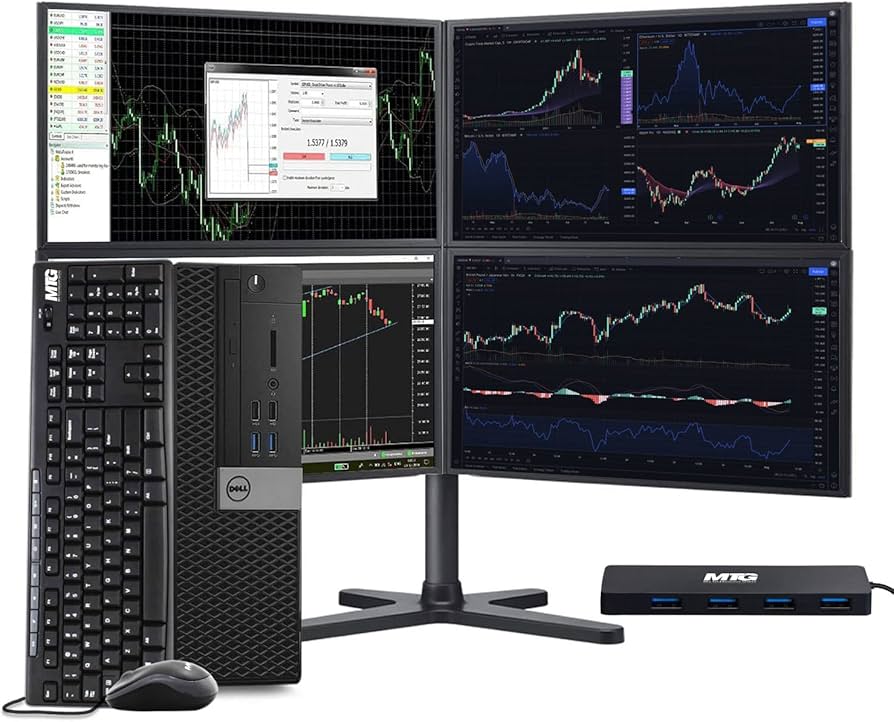
As an Amazon Associate, we may earn from qualifying purchases.
When selecting a tool, consider your technical comfort level and the specific data you need. Indexed APIs like The Graph require development resources but offer the most control. Dashboard platforms like Dune are more accessible but may lack the granularity needed for high-frequency strategies. Nansen provides curated insights but at a higher cost and with less flexibility for custom analysis.
The choice ultimately depends on whether you prioritize speed, depth, or ease of use. For most serious DeFi participants, a combination of tools often provides the best coverage, using indexed data for execution and dashboards for macro analysis.
Analyze price action and market sentiment
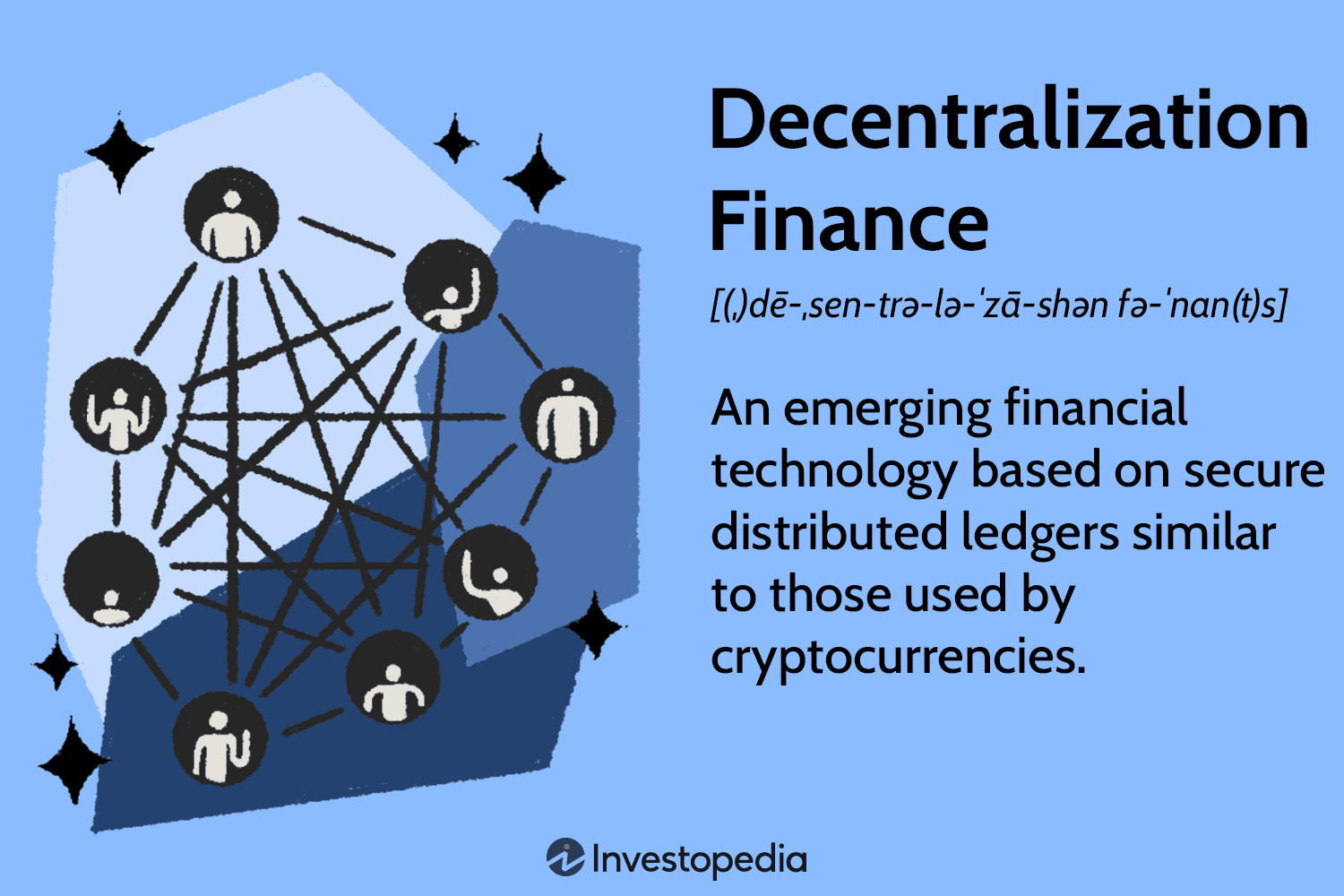
DeFi tokens do not trade in a vacuum. Empirical research confirms that DeFi returns are significantly influenced by broader cryptocurrency market trends, meaning technical patterns on a single token often reflect systemic liquidity shifts rather than isolated project news. To navigate this, you must integrate on-chain price action with real-time sentiment data to distinguish between temporary volatility and structural shifts.
Start by monitoring the primary asset’s chart to identify support and resistance levels that align with broader market cycles. A drop in collateral value often triggers forced unwinding of leveraged positions, a mechanism that can accelerate price declines regardless of a protocol’s fundamental health.
Pair this technical view with sentiment indicators. When news sentiment turns negative, it often precedes or amplifies price drops, particularly in lending sectors where collateral values are tied to volatile assets like BTC or ETH. By cross-referencing these data points, you can filter out noise and make decisions based on concrete evidence rather than market panic.
Build a Daily DeFi Stream Crypto Analysis Routine
DeFi markets move fast, and relying on ad-hoc checks is a recipe for missed signals. To manage risk effectively, you need a structured workflow that separates on-chain data from market sentiment. This routine ensures you are reacting to verified data rather than hype.
Start your day by checking protocol health. Look at total value locked (TVL) trends and unusual transaction volumes on Ethereum. These metrics reveal liquidity shifts before they hit centralized exchanges. If a protocol shows sudden outflows, investigate immediately.
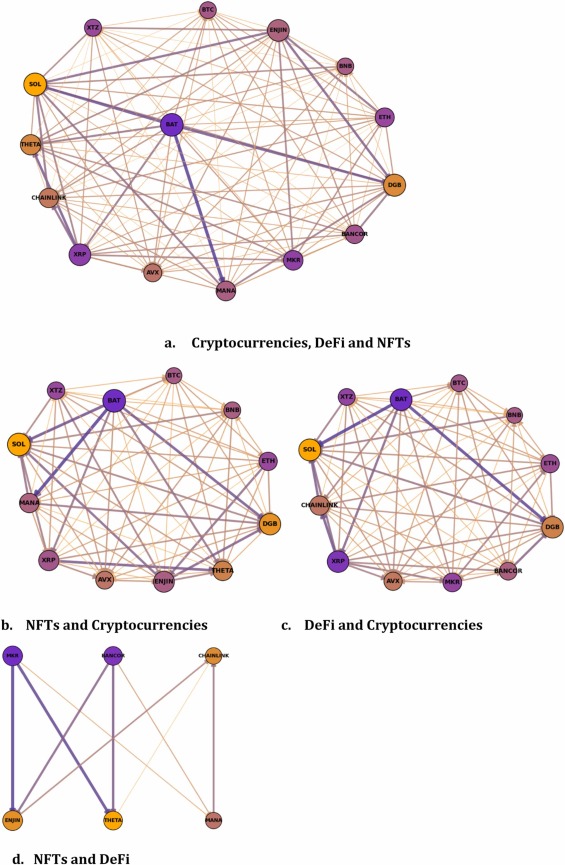
Cross-reference technical data with current news. Recent events, like the Stream Finance collapse, show how quickly contagion spreads (S&P Global, 2024). Use reputable sources to gauge sentiment, but prioritize empirical data over headlines. DeFi tokens often follow broader crypto trends, so context matters (ScienceDirect, 2025).

Finally, check price action against key support and resistance levels. Use provider-backed charts to identify trends without relying on stale static data. This step confirms whether on-chain signals align with market price action. Consistent analysis helps you avoid emotional trading decisions.
A disciplined routine reduces exposure to hidden risks. By following these steps daily, you build a resilient framework for DeFi stream crypto analysis that prioritizes accuracy and speed.
Frequently asked questions about DeFi data
Why is DeFi falling?
Market observers link recent declines to a structural reset across major DeFi lending platforms. This downturn stems from falling collateral values and the forced unwinding of leveraged positions. As noted by analysts, collateral value drops often mirror broader crypto price movements rather than indicating a systemic failure in the protocol itself.
How did the Stream Finance collapse affect DeFi?
The Stream Finance incident, which resulted in a $93 million loss and the freezing of its xUSD stablecoin, highlighted DeFi's contagion risks. The event triggered significant losses across the broader ecosystem, demonstrating how interconnected protocols can amplify failures. This collapse serves as a critical case study in the importance of transparent data and risk management in DeFi infrastructure.
Is DeFi data reliable for market analysis?
DeFi tokens exhibit strong dependence on broader cryptocurrency market trends, meaning returns are heavily influenced by external factors like Bitcoin and Ethereum prices. Empirical analyses confirm that while DeFi offers unique opportunities, its data must be interpreted within the context of the wider crypto market. Reliable analysis requires tracking both on-chain metrics and macro-level market sentiment.
No comments yet. Be the first to share your thoughts!