Stream Finance lost $93 million
The collapse of Stream Finance was not a slow bleed; it was a sudden, violent extraction of capital that shook the foundations of decentralized finance. In a single, catastrophic event, the protocol lost $93 million in assets. This figure represents more than just a balance sheet error; it is a stark reminder of the fragility inherent in complex DeFi architectures when security measures fail.
The immediate aftermath saw the token price plummet, wiping out billions in total value locked across the ecosystem. The $93 million loss was just the tip of the iceberg, with the broader market facing an estimated $285 million in exposure as panic spread. Lenders rushed to withdraw funds, and borrowers found their positions liquidated in a cascading sequence that highlighted the interconnected risks of modern lending protocols.
This incident forced a hard reckoning within the industry. It exposed critical vulnerabilities in how smart contracts interact with external data feeds and how liquidity is managed during times of extreme stress. The scale of the loss was unprecedented for a protocol of Stream's size, serving as a wake-up call for developers and investors alike about the necessity of rigorous auditing and conservative design principles.
How contagion spread to other protocols
The $93M collapse at Stream Finance did not remain contained. It triggered a chain reaction across the broader DeFi ecosystem, exposing the fragility of interconnected lending protocols. The primary mechanism for this spread was rehypothecation—essentially, the same collateral was pledged multiple times across different platforms. When Stream's stablecoins and synthetic assets (xUSD, xBTC, and xETH) lost their peg or backing, protocols that had accepted them as collateral faced immediate insolvency.
Analysts mapped approximately $285M in potential exposure across major DeFi lending platforms. This exposure was not evenly distributed. Some protocols held significant amounts of Stream's assets as primary collateral, while others were exposed through complex yield-farming strategies or liquidity pool integrations. The opacity of these strategies made it difficult for risk managers to assess the true level of danger until the collapse was already underway.
To understand the scale of the contagion, we can compare the estimated exposure across three major protocols that were heavily linked to Stream Finance. This comparison highlights how different lending models absorbed the shock.
| Protocol | Exposure Type | Estimated Exposure (USD) | Risk Level |
|---|---|---|---|
| Euler Finance | Direct Collateral | $140M | High |
| Silo Finance | Lending Pools | $85M | Medium-High |
| Morpho | Yield Aggregation | $60M | Medium |
The data shows that Euler Finance bore the brunt of the direct collateral exposure, while Silo Finance and Morpho faced significant risks through their lending and yield aggregation mechanisms. This distribution underscores the systemic nature of the risk; even protocols not directly affiliated with Stream were vulnerable because they had accepted its assets as valid collateral.
The rehypothecation of xUSD, xBTC, and xETH created a web of dependencies that amplified the initial loss. When Stream's assets depegged, the value of collateral across these protocols plummeted simultaneously. This forced rapid liquidations, further driving down prices and creating a death spiral for the affected assets. The incident serves as a stark reminder of the dangers of opaque collateral chains in DeFi.
The chart above illustrates the price action of xUSD leading up to and following the collapse. The sharp decline in price, accompanied by a spike in trading volume, reflects the panic selling and liquidations that swept through the market. This visual evidence supports the narrative of a rapid and severe contagion event.
The Stream Finance collapse highlights the need for greater transparency in DeFi collateral practices. Protocols must clearly disclose the sources of their collateral and the extent of rehypothecation. Without such transparency, the risk of similar contagion events remains high. The $285M in exposed capital across Euler, Silo, and Morpho is a testament to the interconnectedness of the DeFi ecosystem and the potential for systemic risk to propagate rapidly.
Opaque strategies created hidden risks
The $93 million collapse wasn't caused by a simple hack or a smart contract bug. It was the result of complex, off-chain strategies that obscured the true risk profile from on-chain observers. Stream Finance built a financial engine that looked stable on the surface but relied on intricate, often opaque mechanisms that standard DeFi audits couldn't fully penetrate.
This reliance on off-chain activities introduced vulnerabilities that were invisible to the typical risk assessment tools used by investors. As S&P Global Ratings noted in their analysis, the firm's strategies were not just complex; they were deliberately difficult to trace through standard blockchain explorers. This opacity meant that when the underlying assets began to fluctuate, the exposure wasn't immediately apparent until it was too late.
The disconnect between on-chain visibility and off-chain reality created a dangerous blind spot. Investors and auditors saw a portfolio that appeared diversified and liquid, but the actual leverage and counterparty risks were hidden in off-chain agreements. This lack of transparency meant that the $285 million in exposure was far more precarious than it appeared, turning a manageable dip in market conditions into a catastrophic failure.
The lesson here is stark: complexity without transparency is a liability. In DeFi, if you can't see the risk, you can't manage it. The Stream Finance case highlights the urgent need for clearer reporting standards that bridge the gap between off-chain operations and on-chain data, ensuring that what is shown is what is actually there.
What this means for DeFi infrastructure
The Stream Finance collapse wasn't just a single protocol failure; it was a stress test that revealed how fragile DeFi infrastructure has become. When $93 million vanished, it didn't stay contained. The ripple effect exposed $285 million in potential exposure across the broader ecosystem, proving that liquidity moats are often just shared liabilities waiting to be drained.
For investors and builders, the takeaway is clear: transparency in cross-protocol dependencies is no longer optional. We need to look beyond the headline TVL and understand the underlying mechanics.
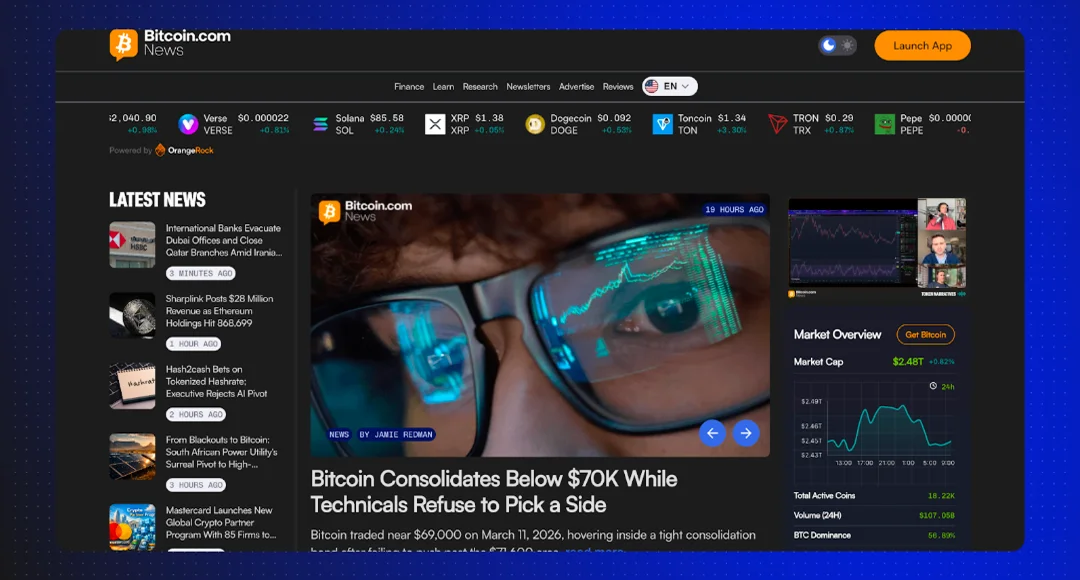
Stream Finance’s model relied on complex strategies that obscured true risk. Investors must scrutinize how assets are reused across protocols. If your yield comes from the same underlying collateral as another protocol, a failure in one can cascade into the other. Verify that assets aren't being lent out multiple times without adequate reserves.
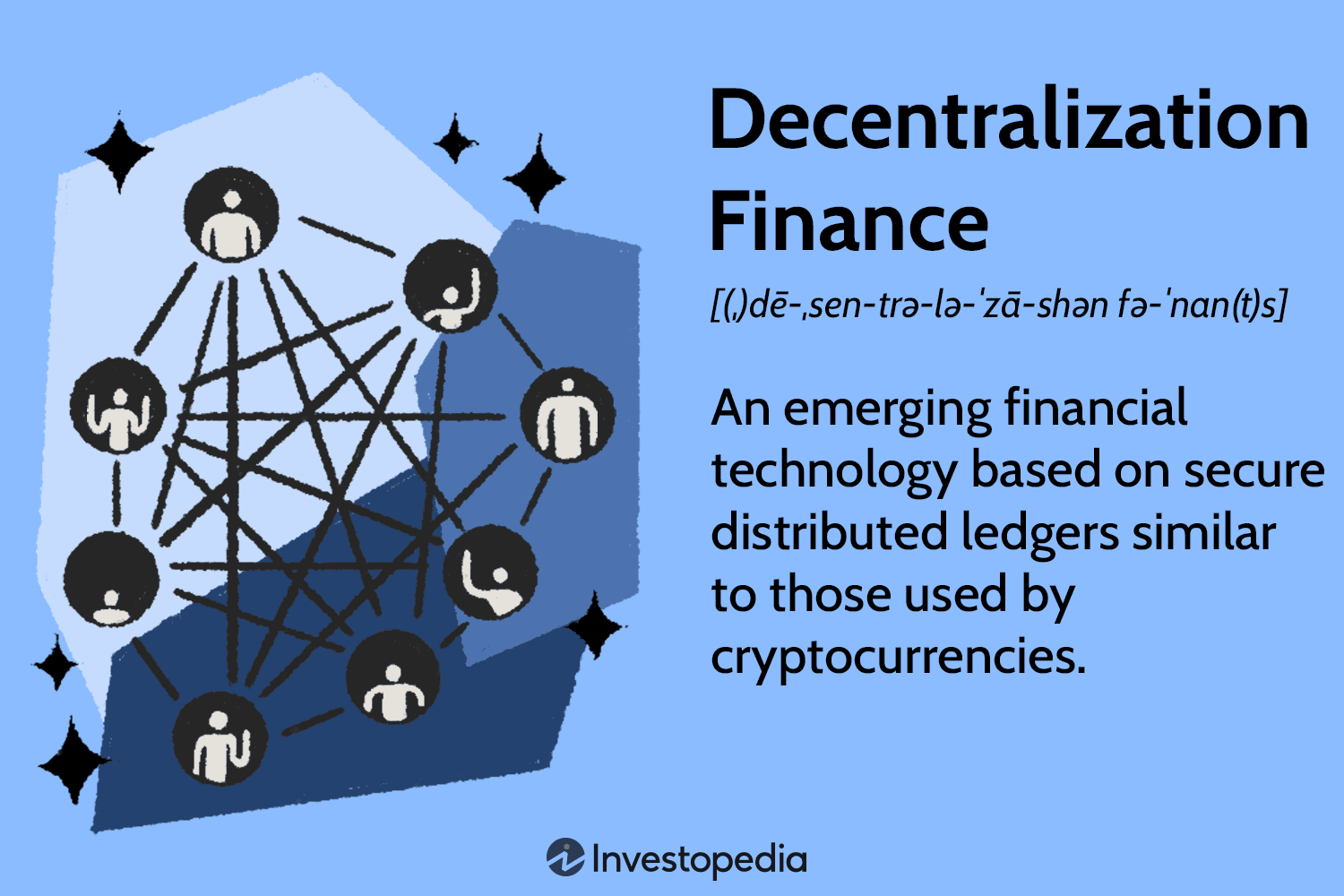
Many DeFi projects market "delta-neutral" strategies that sound safe on paper but hide significant off-chain exposures. The Stream debacle showed how quickly these claims can unravel. Use tools like DefiLlama to track actual TVL trends and liquidity depth rather than relying on project whitepapers. If the on-chain data doesn't match the marketing, the risk is likely mispriced.
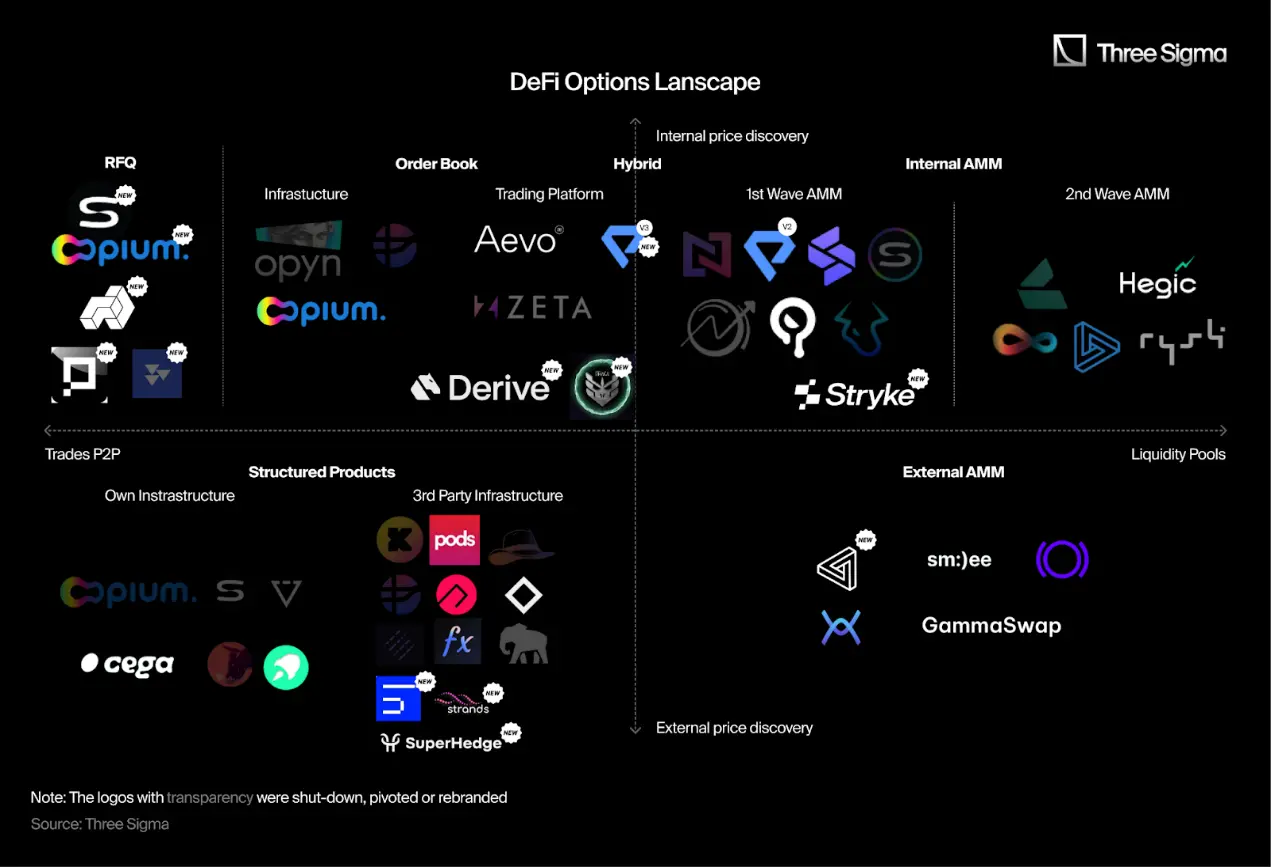
Liquidity that looks deep in calm markets can evaporate instantly during a crash. The $93M loss highlighted how thin the liquidity buffers were for Stream's counterparties. Builders need to design protocols that can handle rapid exits without breaking the price stability of the underlying assets. Investors should avoid protocols where exit liquidity is uncertain or gated.
The industry is learning that trustless doesn't mean risk-free. It means you are responsible for verifying the risk yourself. Until DeFi infrastructure becomes more transparent about its interdependencies, these collapses will remain a feature, not a bug, of the ecosystem.
STREAM token recovery and market data
The collapse of Stream Finance erased roughly $93 million in value, but the market’s reaction to the STREAM token tells a different story about current liquidity and sentiment. Tracking the token’s price action provides the most immediate read on whether capital is returning to the protocol or fleeing entirely.
Below is the live price data for STREAM against ETH. This widget pulls from provider-backed sources to ensure you are seeing real-time valuation rather than stale snapshots.
Understanding the current price requires context on the broader exposure. While the direct loss was $93 million, the protocol’s total exposure reached $285 million, affecting counterparties beyond immediate token holders. The table below compares the current market metrics of STREAM against its primary asset pair, highlighting the volatility that remains post-collapse.
No comments yet. Be the first to share your thoughts!